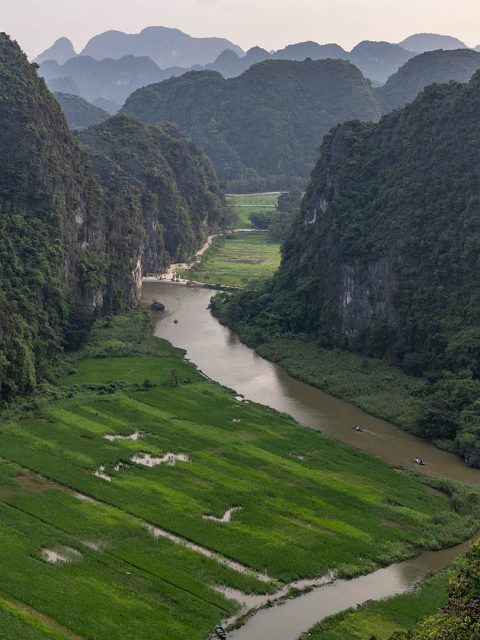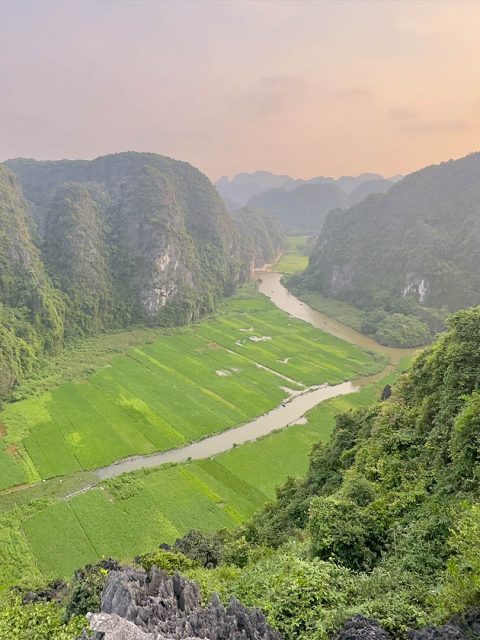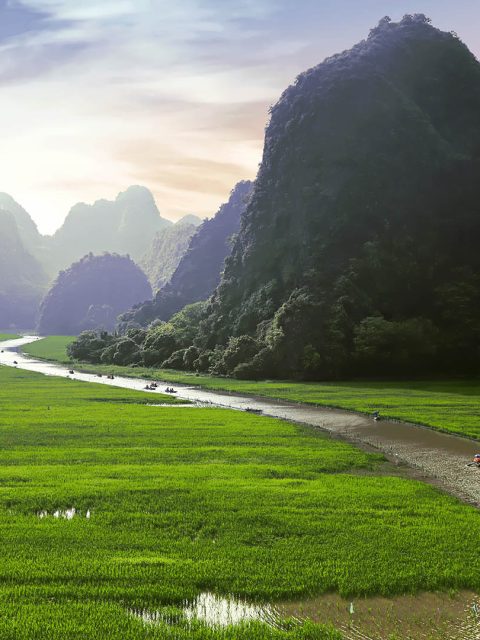


Coming back from Trang An, after spending several hours floating through limestone mountains, rice fields and caves while Vietnamese rowers casually demonstrated the cardiovascular fitness of Olympic athletes, we made one more stop in Ninh Binh.
Bai Dinh Pagoda.
Also commonly called Bai Dinh Temple, this absolutely enormous Buddhist temple complex near Ninh Binh, Vietnam, is widely described as the largest Buddhist temple complex in Vietnam.
I knew none of this when we arrived.
The plan was considerably simpler.
Walk around. Explore some religious shit. Relax after Trang An. Look at a few Buddha statues.
Maybe learn something.
What I didn’t realize was that Bai Dinh had apparently interpreted the concept of “a few Buddha statues” as a personal insult.
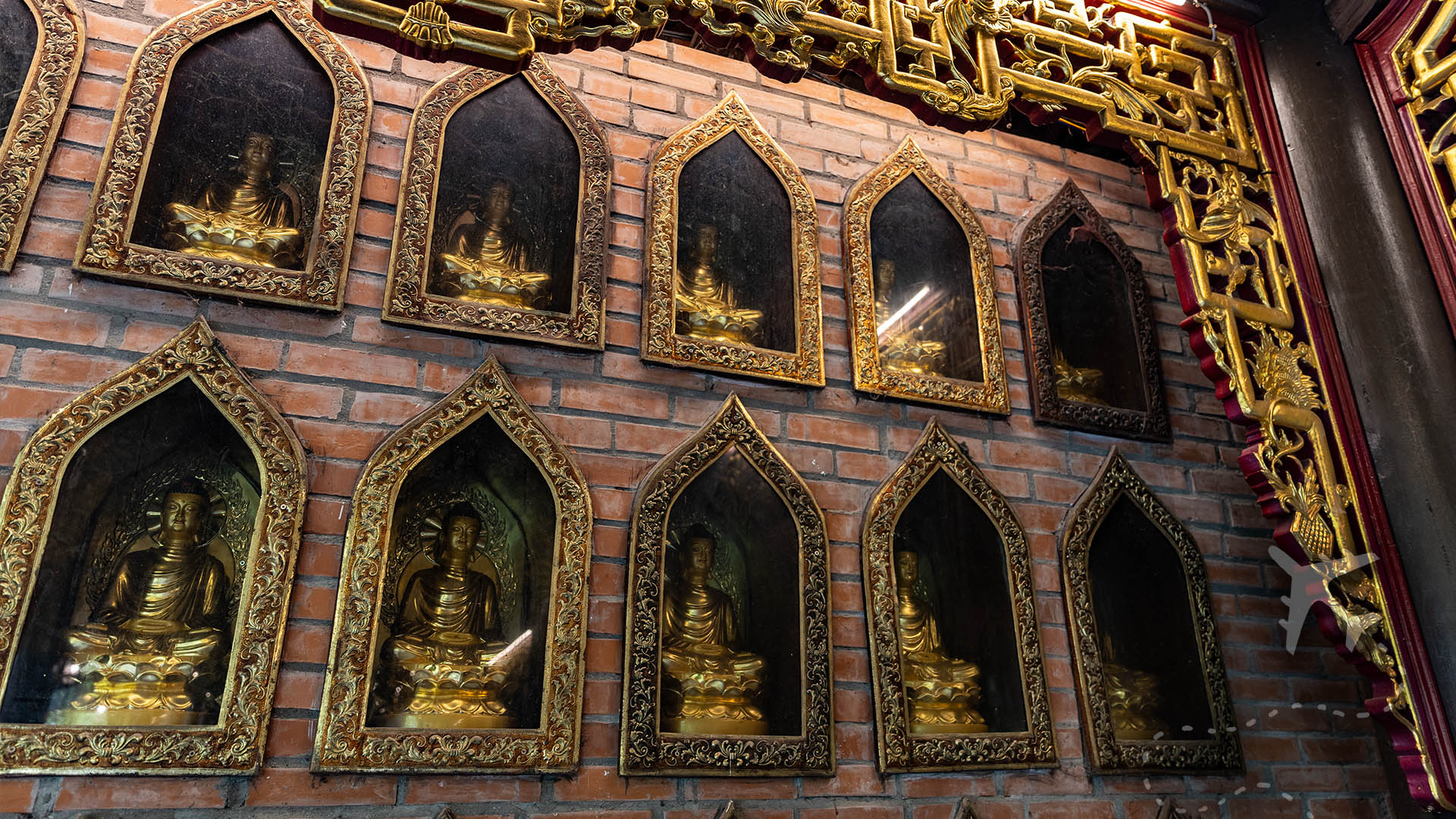
Because this place has Buddhas.
A lot of Buddhas.
I personally counted 43,774,001 of them.
That number may be off by three or four.
DESTINATION: Bai Dinh PAGODA
GPS COORDINATES
20.2687, 105.8564
CLOSEST AIRPORT
CURRENT WEATHER
clear sky (81F / 27C)

AIR QUALITY INDEX (AQI)
Good (15)
BAI DINH PAGODA HAS A BUDDHA SITUATION
The first thing you need to understand about Bai Dinh Pagoda is the scale.
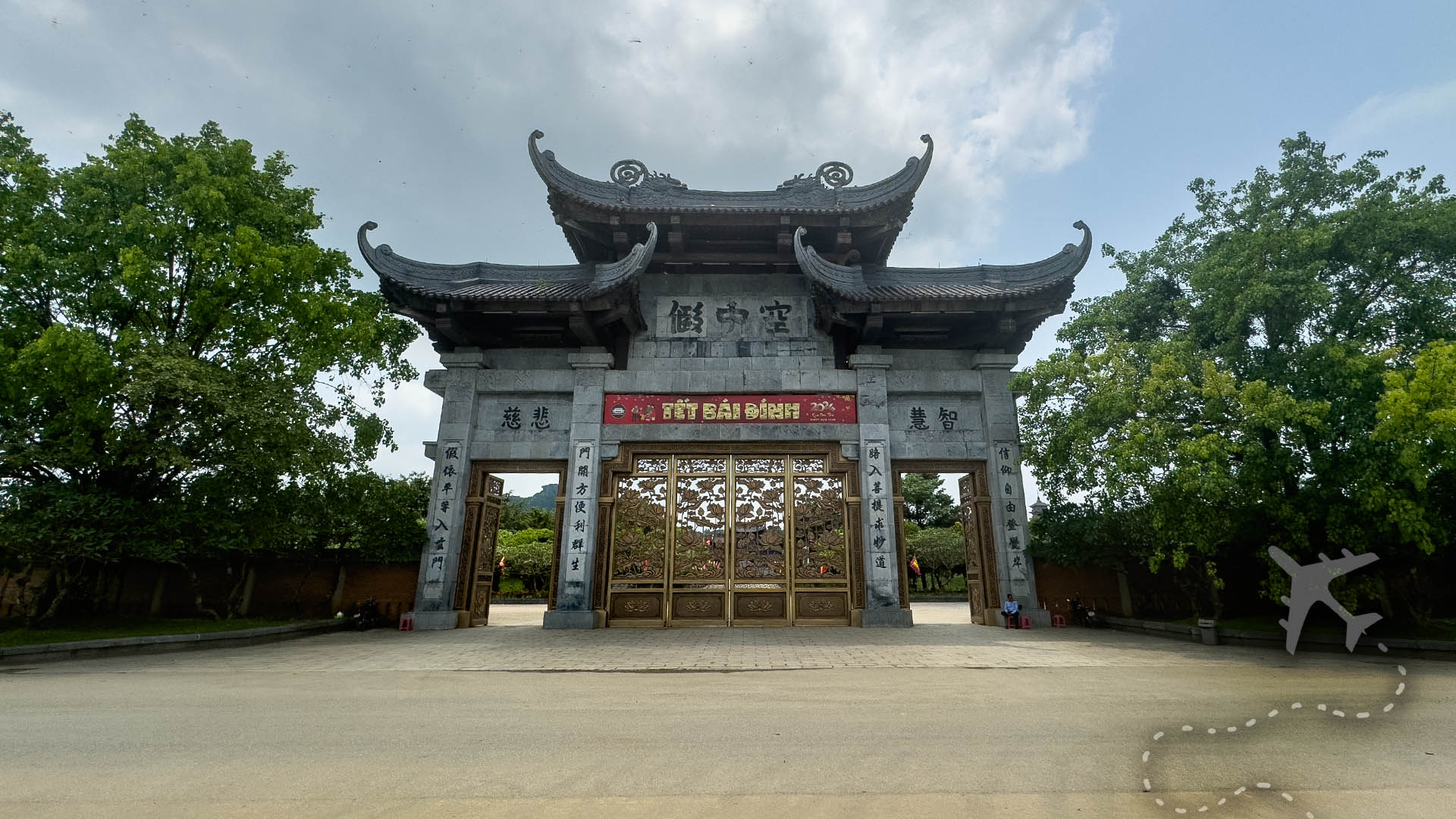
This isn’t some tiny Vietnamese temple where you wander through a gate, look at an altar, politely contemplate your existence for six minutes and leave.
The Bai Dinh Temple Complex is fucking enormous.
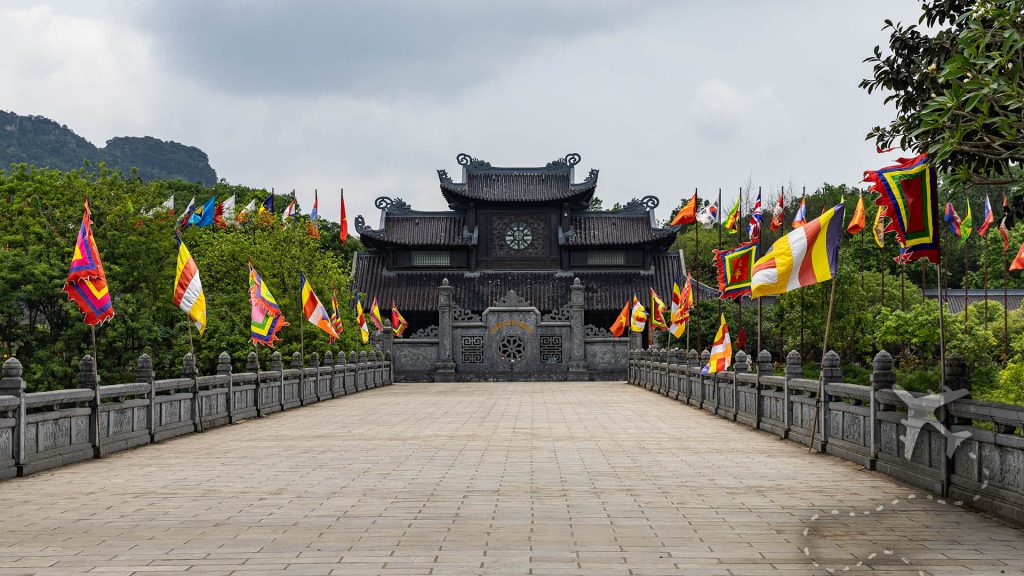
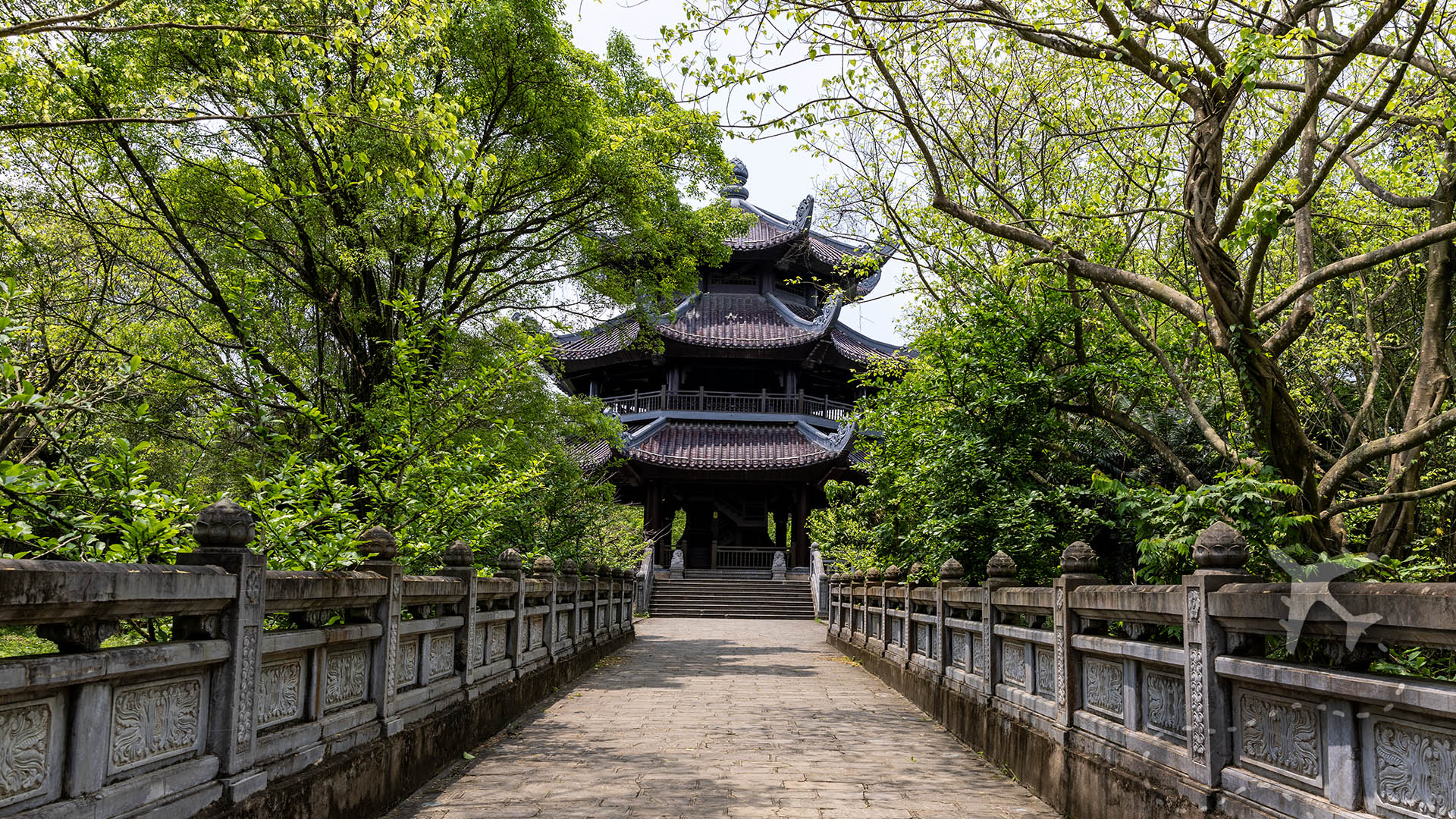
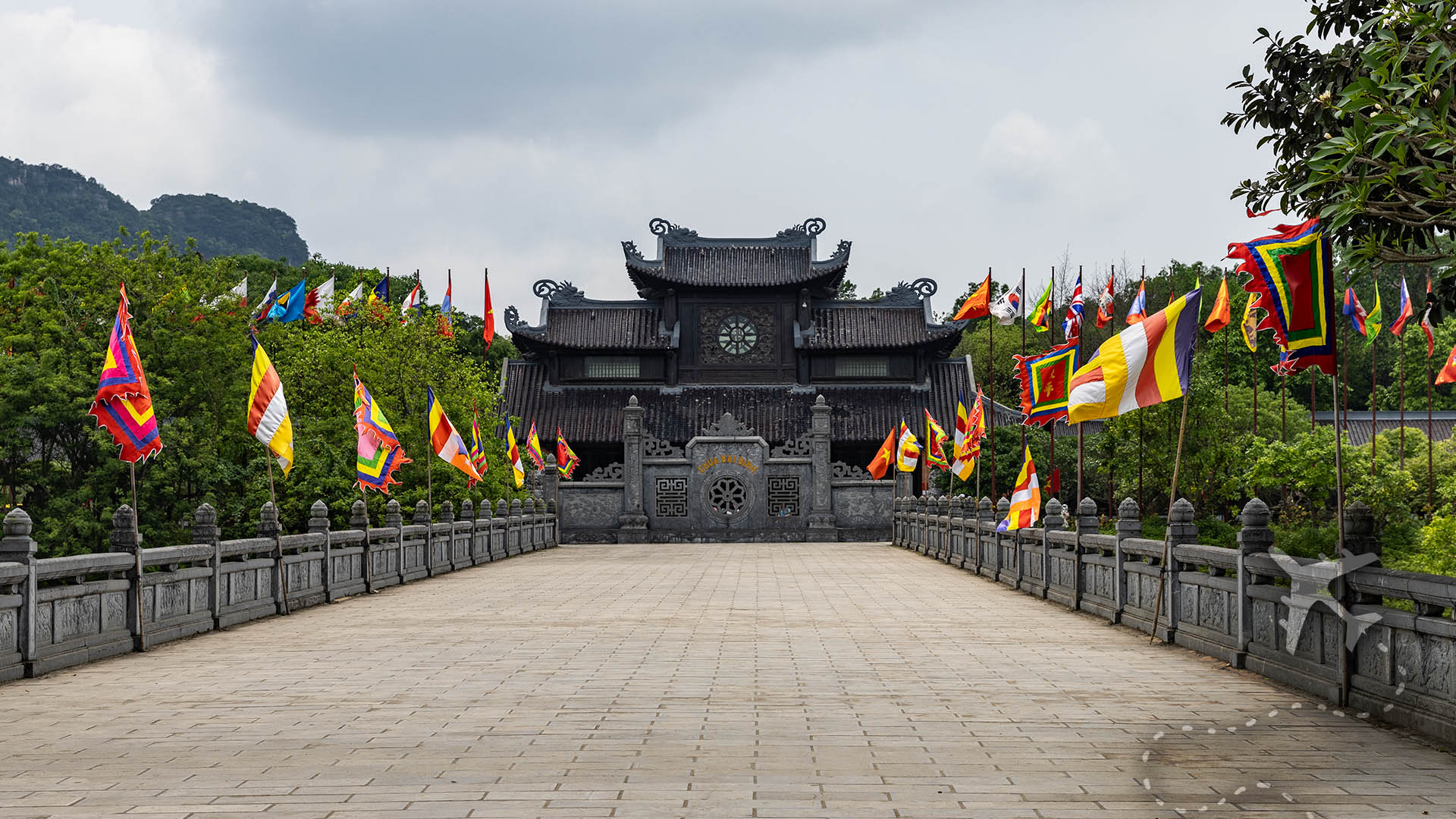
There are massive courtyards.
Massive temple halls.
Massive staircases.
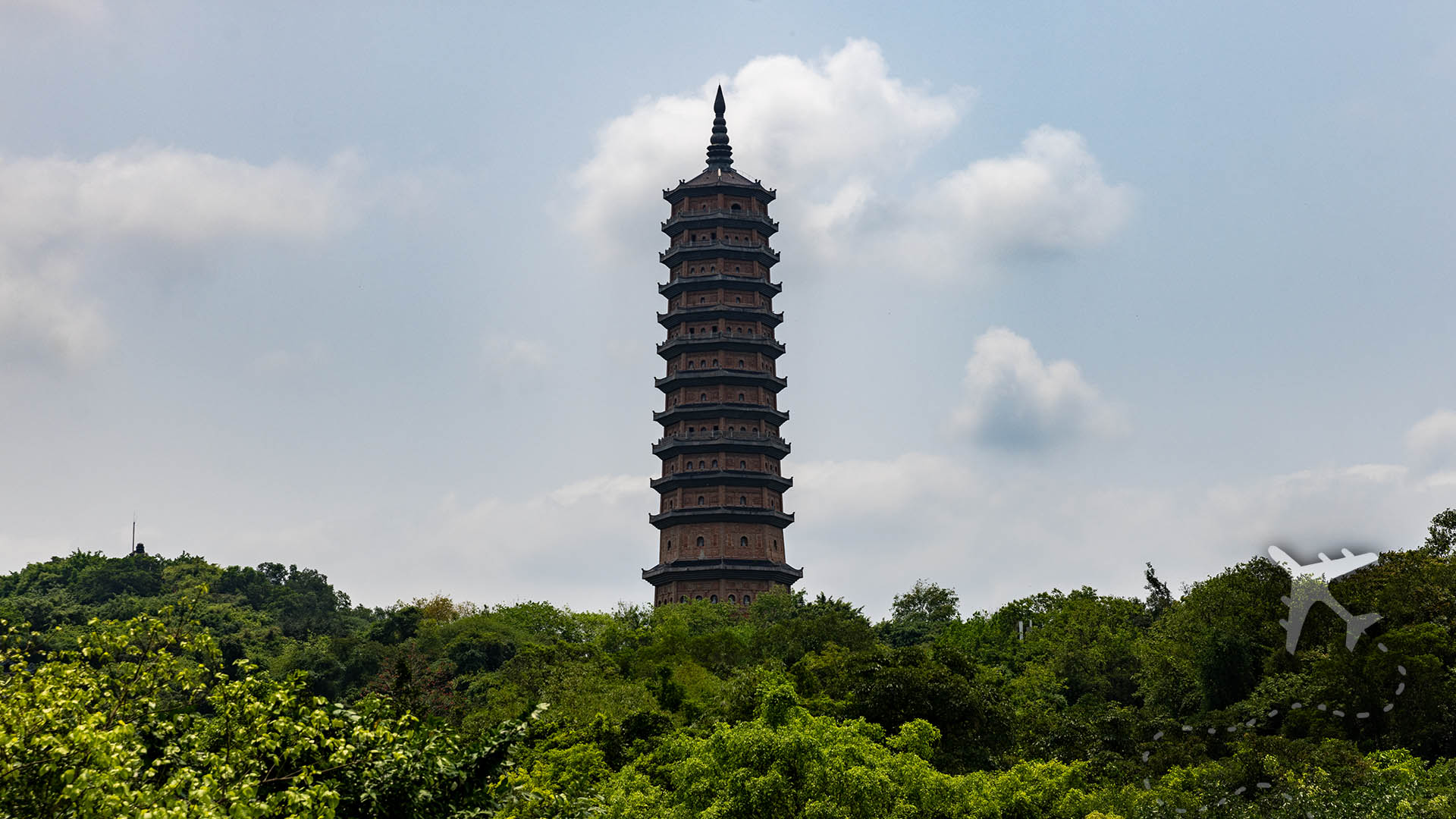
Massive towers.
Long covered corridors stretching into the distance.
And Buddha statues absolutely everywhere.
Big Buddhas.
Small Buddhas.
Bronze Buddhas.
Stone Buddhas.
Buddhas sitting quietly inside temples.
Buddhas lining corridors.
Buddhas watching me slowly lose the ability to distinguish one Buddha from the next.
Eventually, you stop counting.
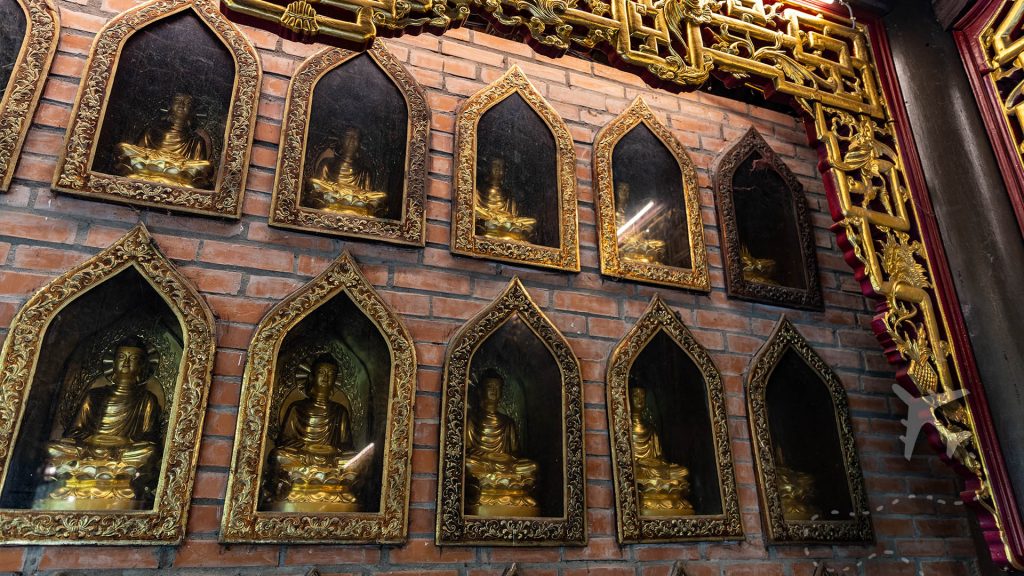
Which is unfortunate because I had made excellent progress toward my completely verified total of 43,774,001.
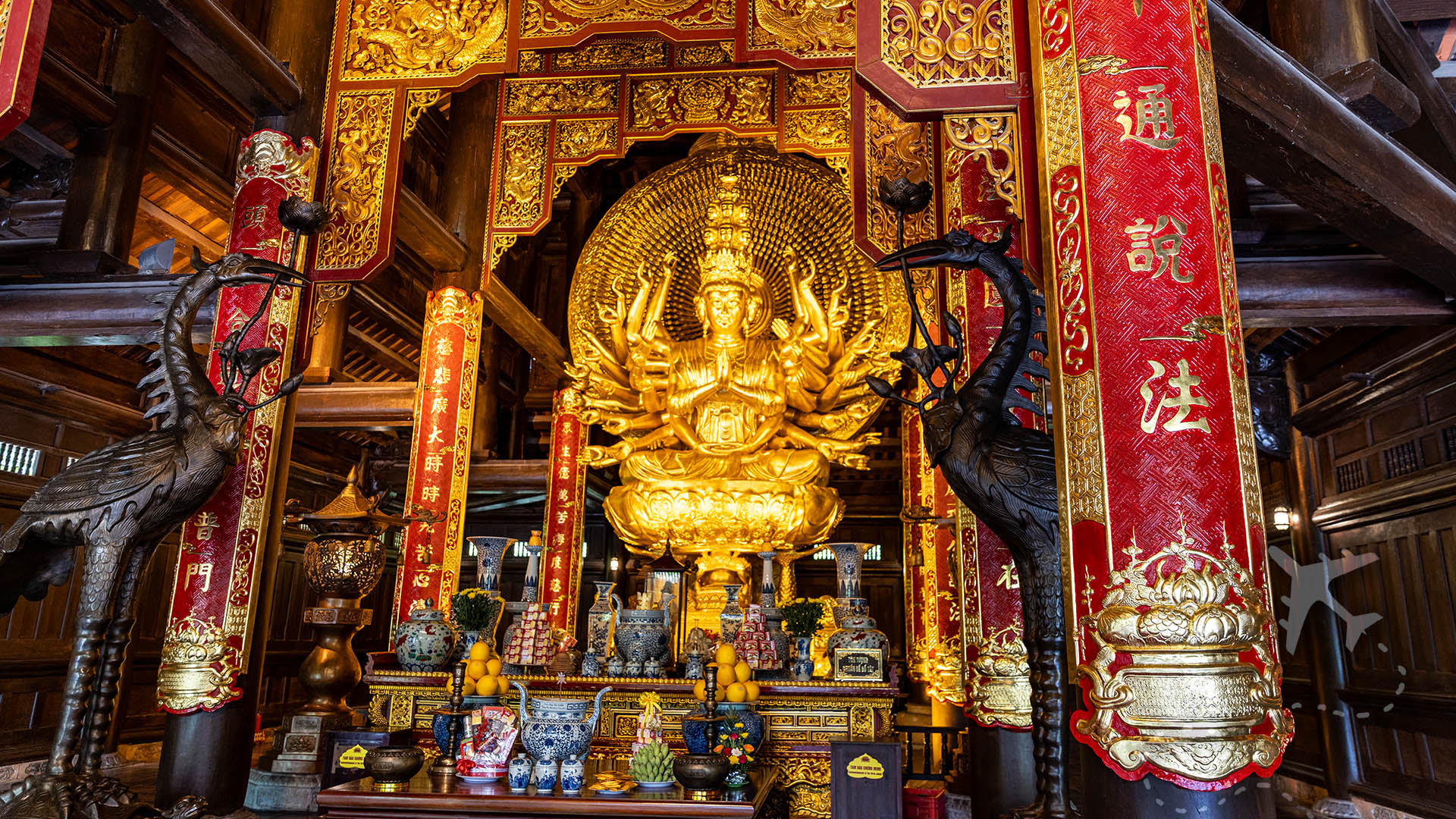
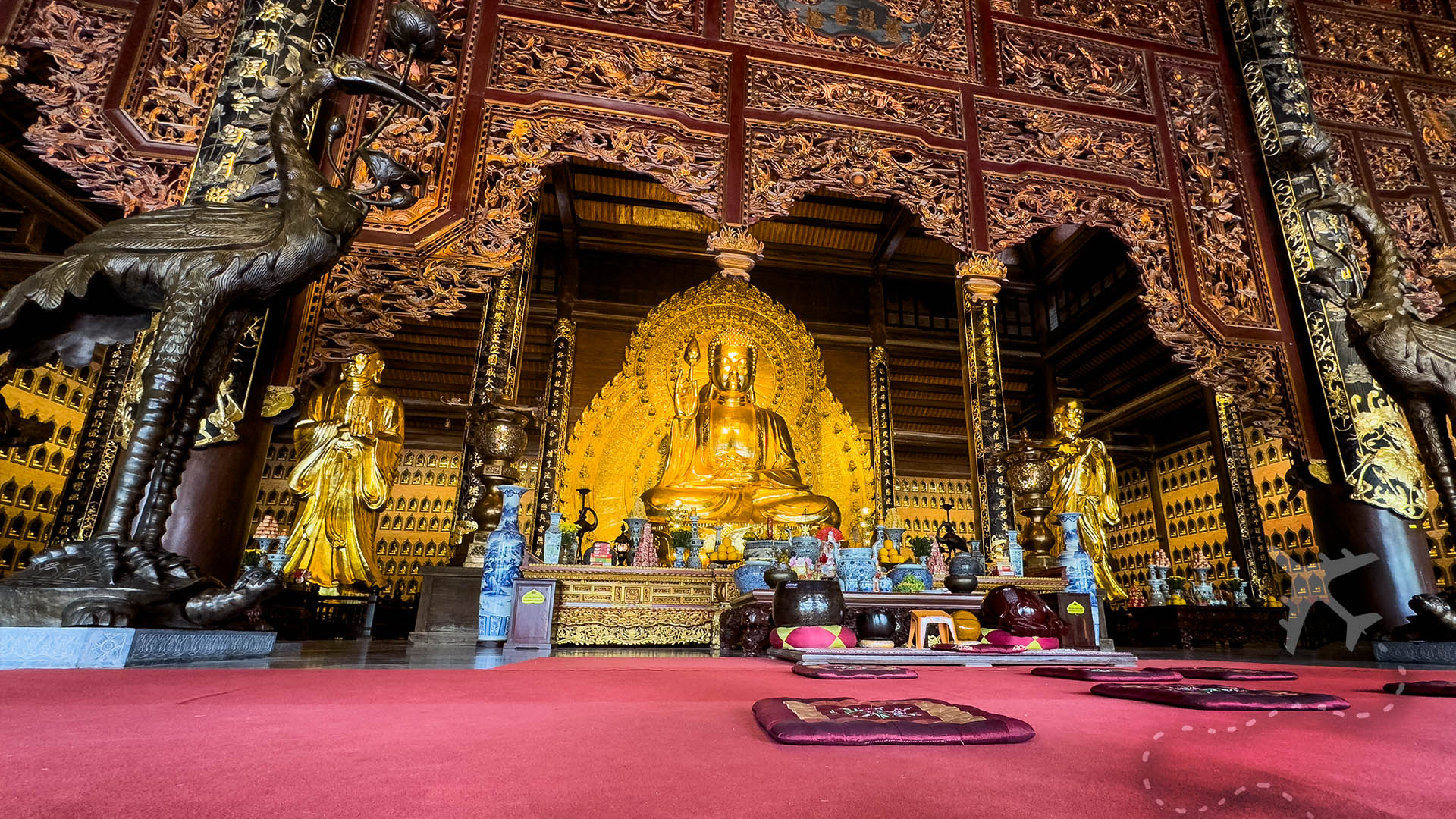
Then we entered one of the main halls.
And there he was.
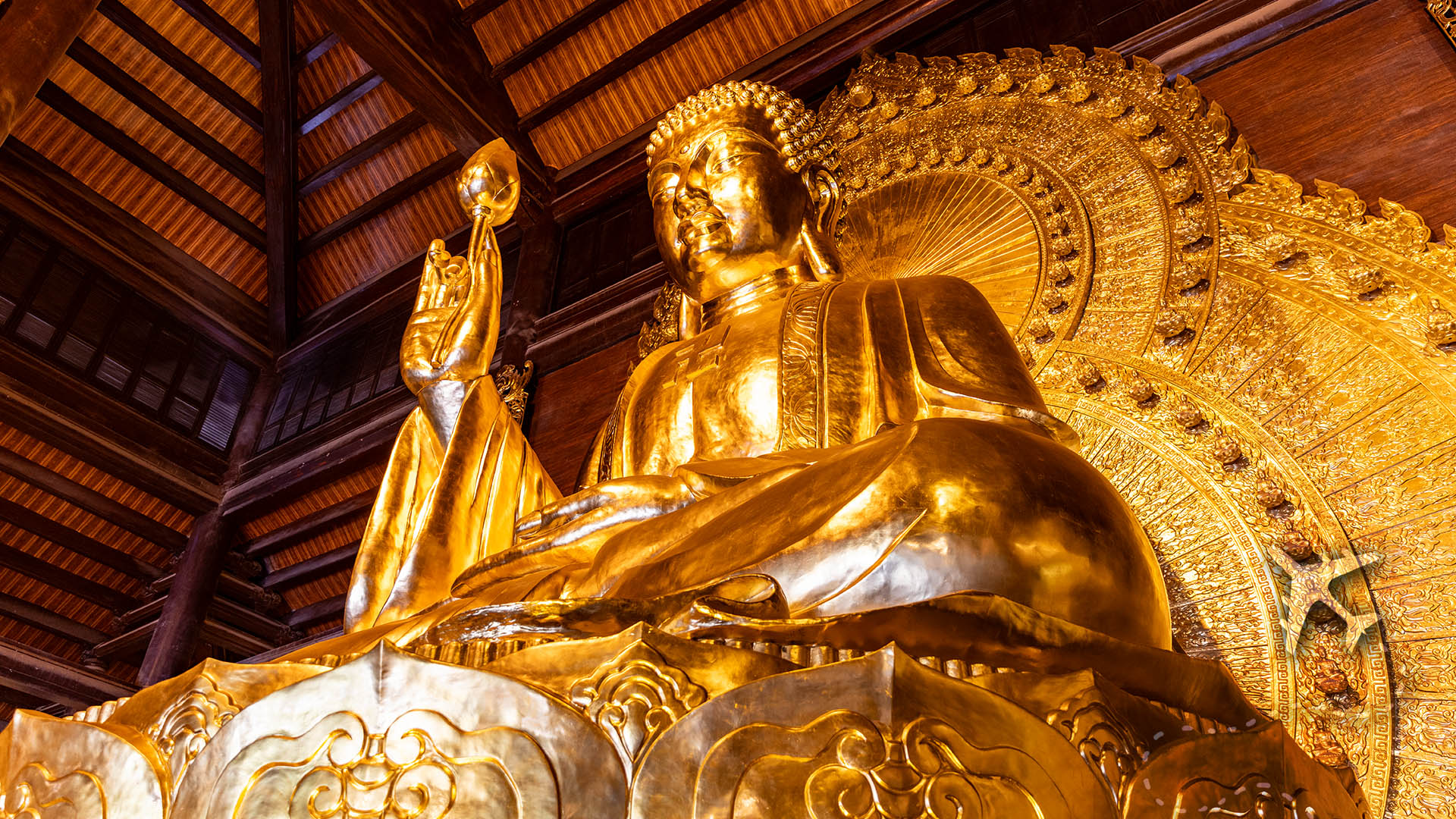
A really fucking big Buddha.
I FOUND THE BIG BUDDHA
I stopped.
Looked up.
Wow.
This was clearly it.
The Big Buddha.
The centerpiece.
The religious equivalent of reaching the final boss.
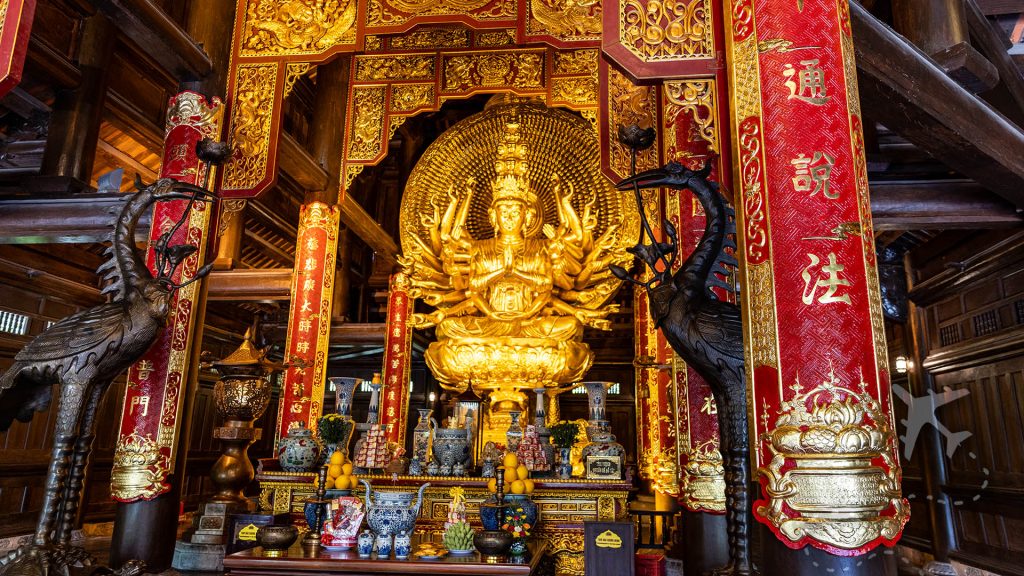
I walked around it. Took photographs. Admired the scale. Appreciated the craftsmanship.
Very impressive Buddha.
Excellent work.
Ten out of ten.
At this point, I assumed Bai Dinh had successfully demonstrated the maximum amount of Buddha physically permitted under Vietnamese building codes.
Then someone told me to keep walking.
Apparently, I had misunderstood the situation.
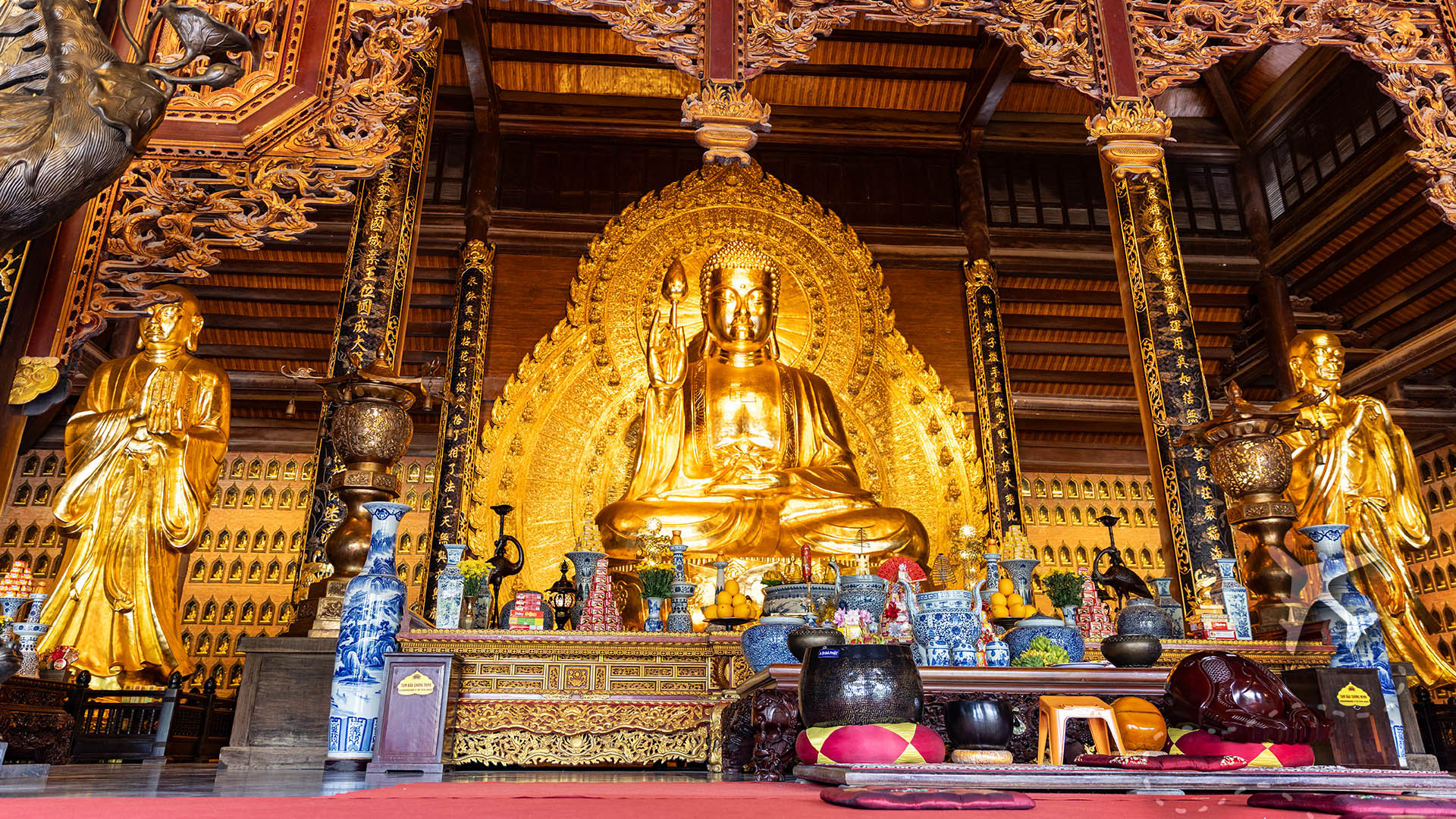
OH. THAT WASN’T THE BIG BUDDHA.
Another enormous building.
Another enormous temple hall.
And then I walked inside.
Holy shit.
There was an even bigger Buddha.
This is apparently how Bai Dinh works.
Every time you believe you’ve reached maximum Buddha, the temple complex quietly unlocks another level.
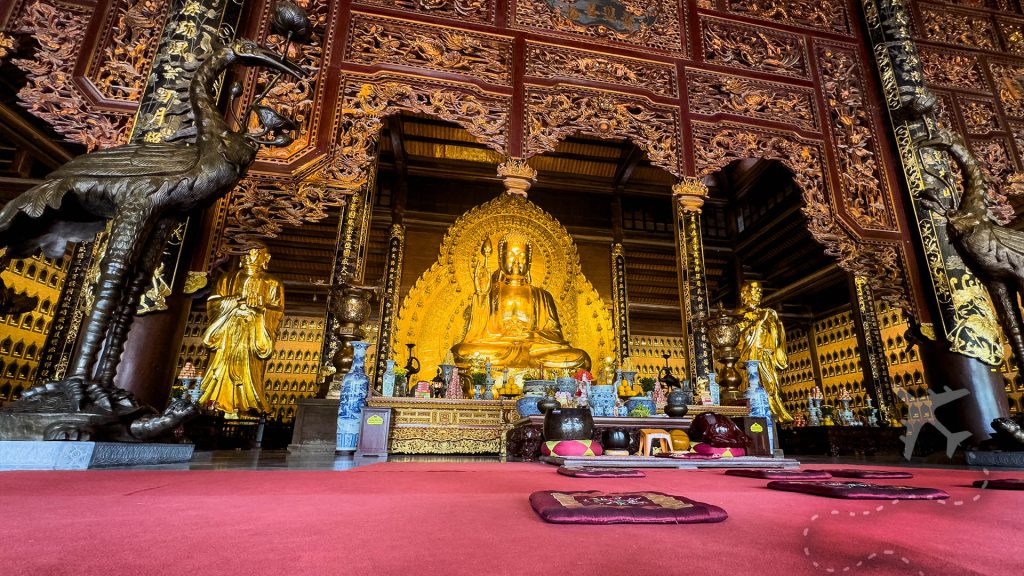
And that’s when the ridiculous scale of this place really starts sinking in.
Bai Dinh isn’t simply a temple.
It’s an entire Buddhist landscape.
The modern complex spreads across a huge area of Ninh Binh, surrounded by the limestone mountains that make this part of northern Vietnam so spectacular.
You don’t really visit a building here.
You wander through an entire religious campus.
And apparently somewhere on that campus there is always another Buddha waiting to make the previous Buddha look disappointingly reasonable.
IS BAI DINH THE LARGEST BUDDHIST TEMPLE IN VIETNAM?
Bai Dinh Pagoda is widely regarded as the largest Buddhist temple complex in Vietnam, with an enormous modern religious complex built alongside the much older sacred Bai Dinh site in Ninh Binh Province.
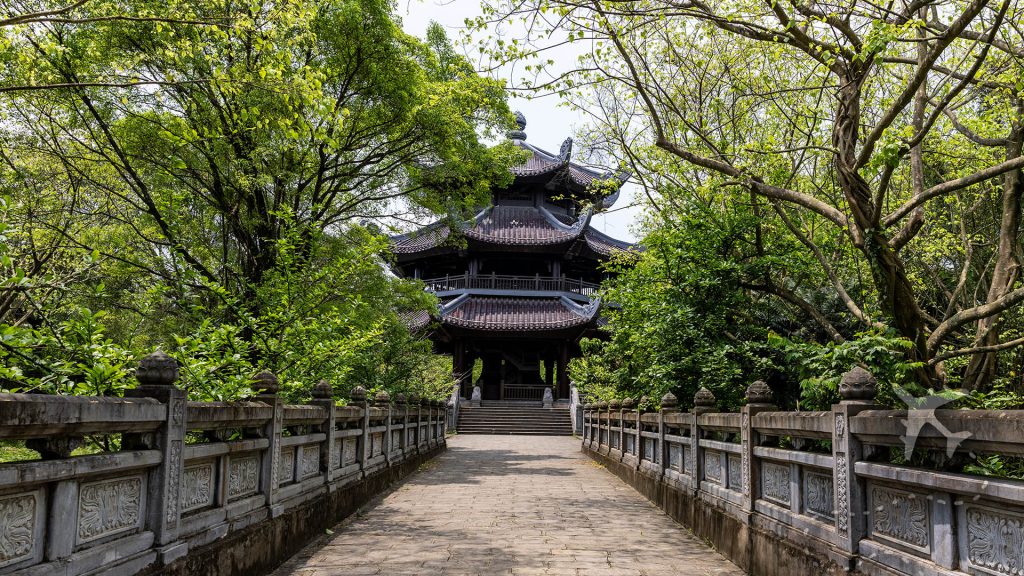
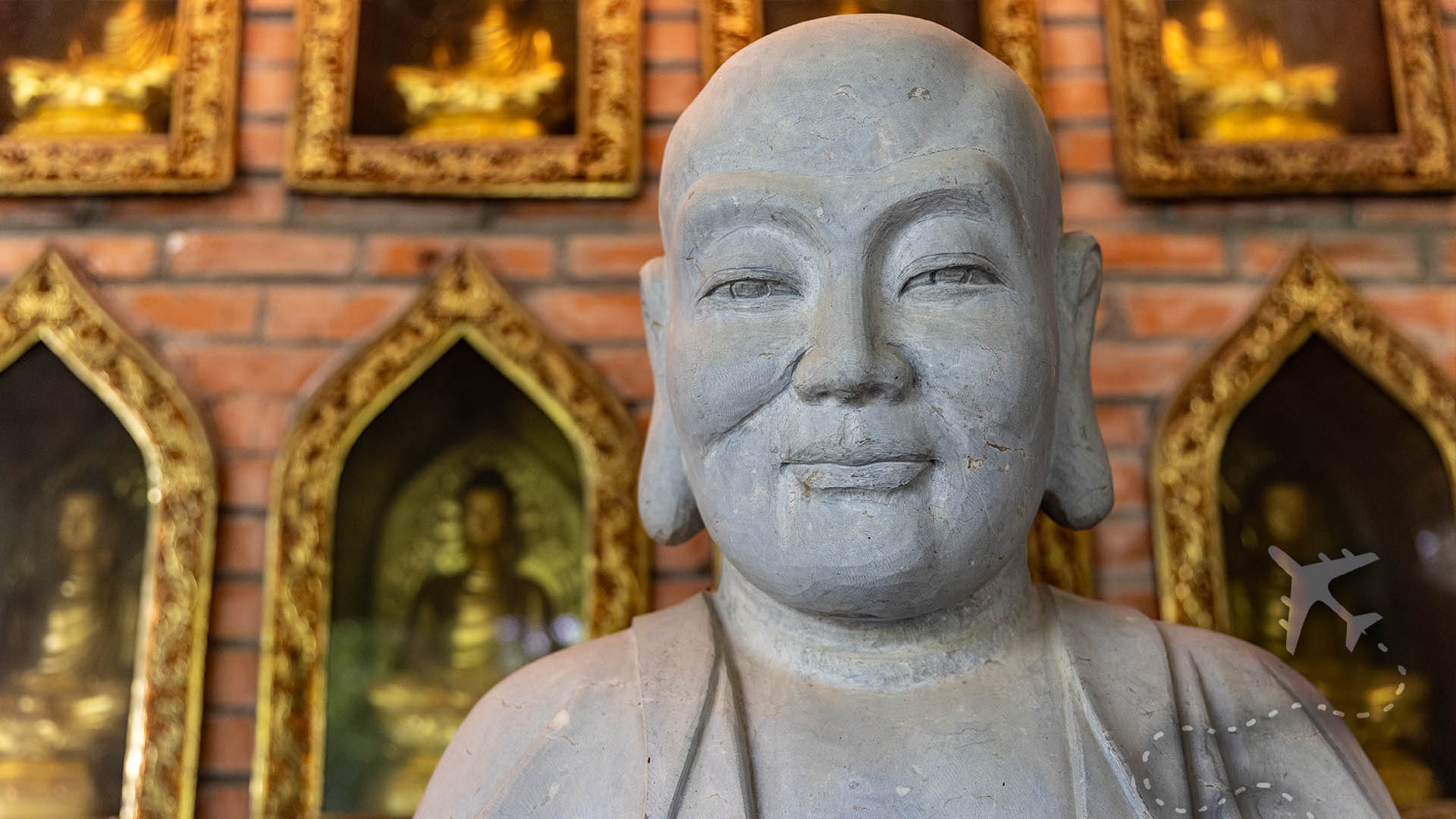
The complex is known for its monumental Buddhist architecture, enormous bronze Buddha statues, hundreds of Arhat statues, massive bell tower and sprawling temple grounds.
Which helps explain why walking through Bai Dinh feels less like visiting a temple and more like someone was given an unlimited construction budget and instructed to keep adding Buddhism until they ran out of mountain.
The modern expansion began in the early 2000s, but the religious history of Bai Dinh goes back centuries.
That distinction is important.
Because despite Bai Dinh’s appearance and enormous religious significance, much of the gigantic complex visitors see today isn’t ancient.
It’s modern Vietnamese ambition built around a much older sacred site.
OLD RELIGION, VERY NEW AMBITION
The original Bai Dinh Pagoda occupies a much older sacred area associated with caves, shrines and Buddhist worship among the limestone mountains.
The enormous modern Bai Dinh Temple Complex came much later.
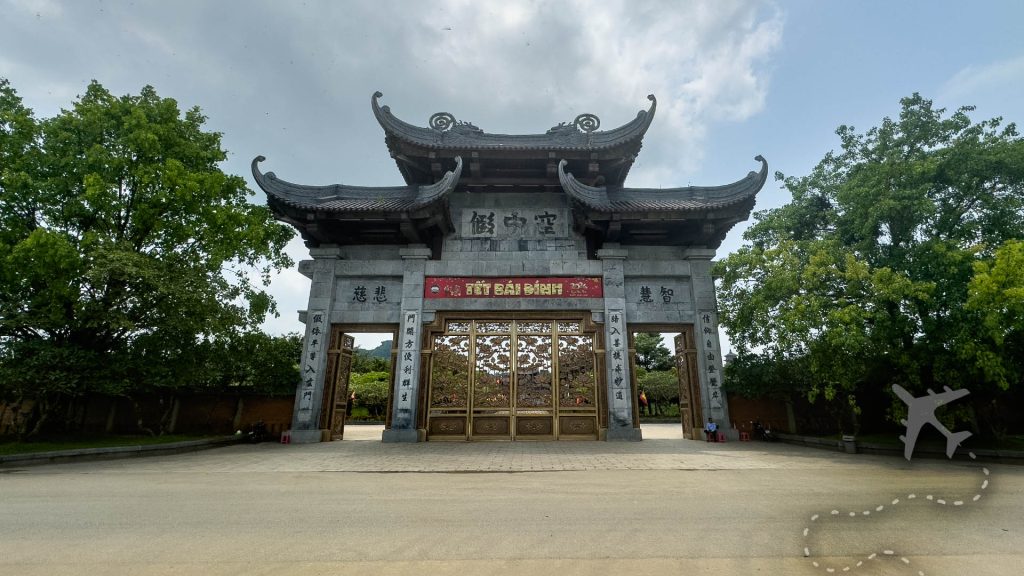
That gives the place a completely different feeling from something like Borobudur Temple in Indonesia.
Borobudur was built more than a thousand years ago.
You walk across ancient stone while staring at carvings created by people who disappeared centuries before anyone invented Instagram.
Bai Dinh feels different.
Borobudur feels archaeological.
Bai Dinh feels monumental.
One whispers history.
The other occasionally screams:
LOOK AT THE SIZE OF THIS FUCKING BUDDHA.
Neither approach is necessarily better.
They’re simply completely different experiences.
And Bai Dinh’s sheer scale is undeniably impressive.
THE BEST TIME TO VISIT BAI DINH IS WHEN EVERYONE ELSE IS SOMEWHERE ELSE
But here’s the part that probably made my visit considerably better than it had any right to be.
There was nobody there.
I visited Bai Dinh in the middle of the week.
Not “it wasn’t very crowded.”
Not “there were only a few tour groups.”
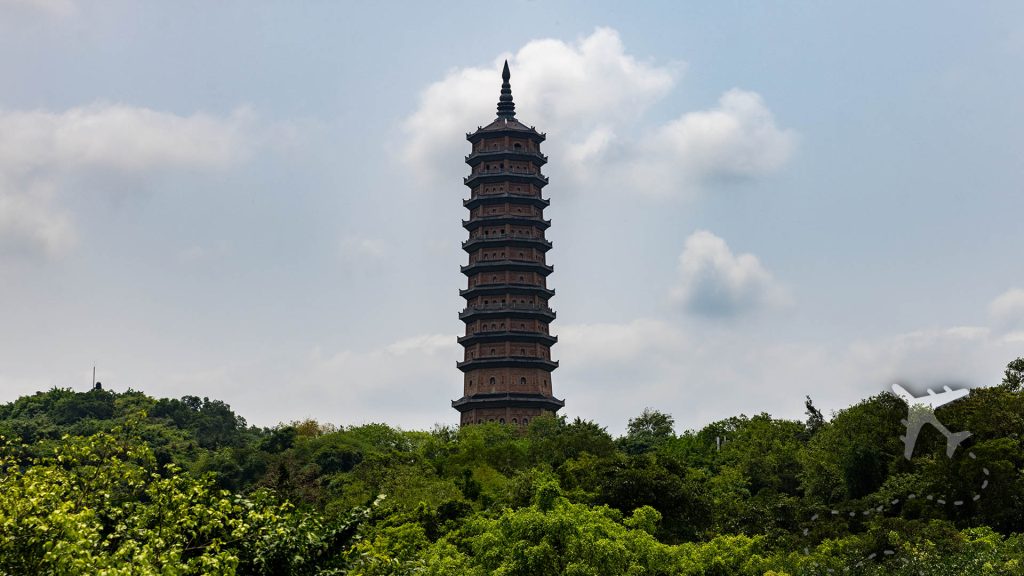
I mean there were moments when I was wandering through enormous courtyards wondering whether someone had forgotten to tell me the entire place was closed.
It was fucking glorious.
No tour groups.
No human traffic jams.
No selfie sticks swinging through the air like medieval weapons.
No influencer occupying the exact center of a staircase for seventeen minutes while attempting to photograph enlightenment from 46 subtly different angles.
Just temples.
Mountains.
Buddhas.
And me.
For a place this large, having that kind of freedom completely changes the experience.
I could stop wherever I wanted.
Take photographs.
Walk through the halls.
Actually look at things.
There was absolutely no pressure to keep moving because 700 people behind me had collectively decided they also needed to stand exactly where I was standing.
I CAN’T IMAGINE PEAK TOURIST FUCKERY HERE
Bai Dinh is an important Buddhist pilgrimage destination, which means my peaceful little weekday experience is absolutely not guaranteed.
Weekends, Vietnamese holidays and major Buddhist festivals can bring substantially larger crowds.
And honestly?
I can’t imagine it.
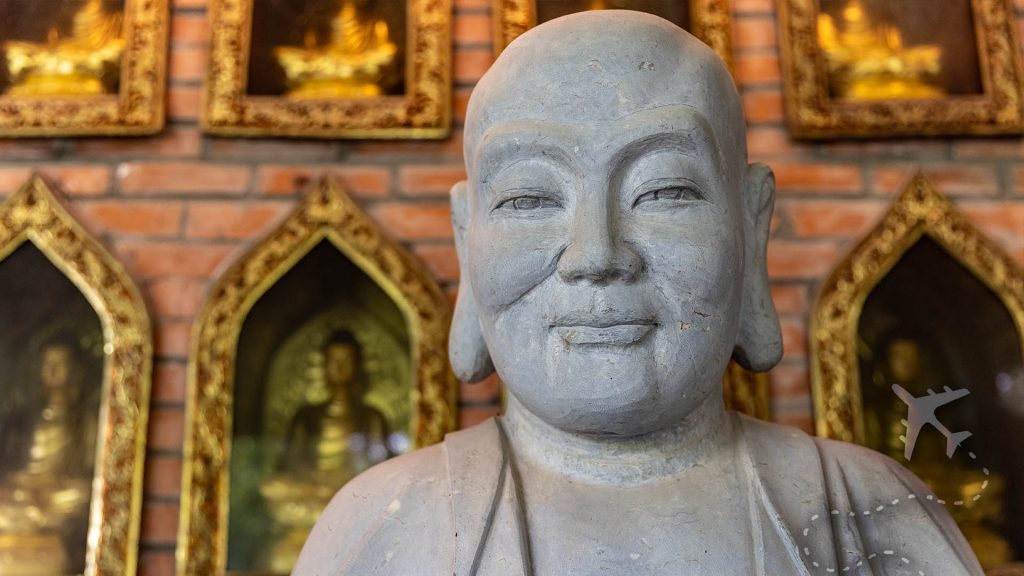
Those enormous empty courtyards were one of my favorite parts of visiting Bai Dinh.
Fill them with buses, tour groups, pilgrims, umbrellas, selfie sticks and several thousand members of humanity simultaneously attempting to occupy the same three square meters and I’m guessing the vibe changes considerably.
So if you’re trying to decide when to visit Bai Dinh Pagoda, I’d strongly favor a normal weekday outside major holidays and festivals.
Unless experiencing one of those religious celebrations is specifically your reason for visiting.
The architecture will be exactly the same.
Your blood pressure may not be.
BAI DINH AND TRANG AN MAKE A DAMN GOOD DAY TRIP
The other reason Bai Dinh is worth visiting is location.
It’s extremely easy to combine with the other major attractions around Ninh Binh.
That’s exactly how I ended up here.
Earlier that day I’d been exploring Trang An, floating between enormous limestone karsts and through caves while local rowers casually paddled tourists around for hours without displaying any visible signs of cardiac arrest.
Trang An is spectacular.
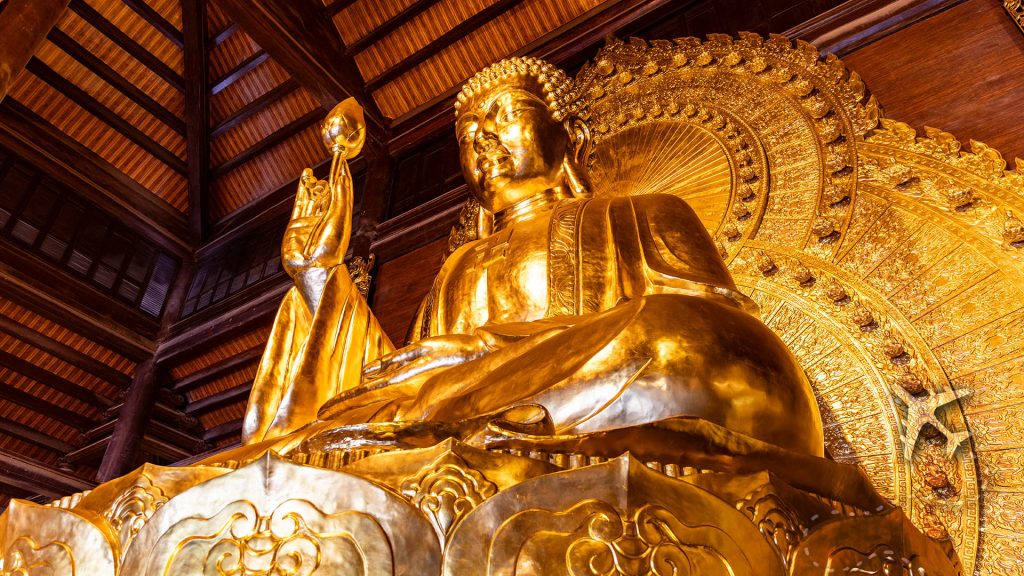
Bai Dinh is completely different.
Which is precisely why the combination works.
One gives you rivers, caves, rice fields and ridiculous limestone scenery.
The other gives you temples, Buddhist architecture, enormous courtyards and approximately 43 million Buddhas.
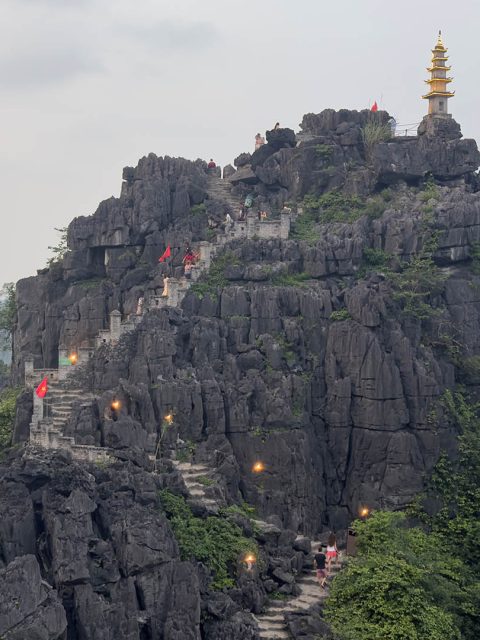
And if you still have functioning leg muscles afterward, there’s Lying Dragon Mountain at Hang Múa, where you can climb hundreds of stairs to a narrow limestone ridge and observe Instagram’s ongoing experiment with natural selection.
Ninh Binh has range.
NORTHERN VIETNAM APPARENTLY DOESN’T BELIEVE IN MODERATION
That was becoming something of a theme during my time in northern Vietnam.
Trang An takes some limestone mountains and runs rivers through them.
Hang Múa puts a staircase up one and a dragon on top.
A few hours away, Ha Long Bay apparently decided normal limestone scenery wasn’t dramatic enough and flooded the entire fucking thing.
Then Bai Dinh looked at a Buddhist temple and apparently said:
Bigger.
That’s what ultimately made Bai Dinh memorable.
Not any single statue.
Not any individual temple.
The entire fucking scale of it.
You keep walking.
It keeps going.
You find another courtyard.
Another temple.
Another corridor.
Another Buddha.
And just when you think you’ve finally seen the biggest Buddha…
Nope.
Apparently there’s another one.
IS BAI DINH PAGODA WORTH VISITING?
Yes, especially if you’re already visiting Trang An or spending a day exploring Ninh Binh.
I probably wouldn’t cross Vietnam specifically to visit Bai Dinh unless you’re particularly interested in Buddhism, religious architecture or monumental temples.
But as part of a Ninh Binh itinerary?
Absolutely.
Bai Dinh offers something completely different from the natural attractions surrounding it, and you can easily spend several hours wandering around the enormous complex.
My biggest recommendation would be simple:
Go when it’s quiet.
Visit during the week if you can.
Give yourself enough time that you’re not sprinting from building to building.
And don’t assume you’ve found the biggest Buddha until someone specifically confirms there are no additional Buddhas hidden somewhere behind it.
BAI DINH UNCENSORED
I arrived at Bai Dinh Pagoda expecting a relaxing religious stop on the way back from Trang An.
Maybe a temple.
Some statues.
A pleasant walk.
Instead, I accidentally wandered into the largest Buddhist temple complex in Vietnam with practically nobody else around.
Every time I thought I’d found the impressive part, there was another enormous building.
Every time I thought I’d found the big Buddha, someone produced a bigger Buddha.
And every time I walked into another massive courtyard, there was almost nobody standing in it.
That last part probably mattered more than anything.
Without the crowds, Bai Dinh was peaceful, beautiful and genuinely enjoyable.
I could wander.
Take photographs.
Explore.
And actually appreciate the place instead of participating in the international competitive sport of Avoiding Other Tourists.
Would I have enjoyed Bai Dinh as much during peak tourist fuckery?
Probably not.
But on a random weekday, after an already spectacular day exploring Trang An, with the largest Buddhist temple complex in Vietnam practically sitting there waiting for me?
Holy shit.
Turns out the biggest surprise at Bai Dinh wasn’t finding another Buddha.
It was finding nobody standing in front of it.