


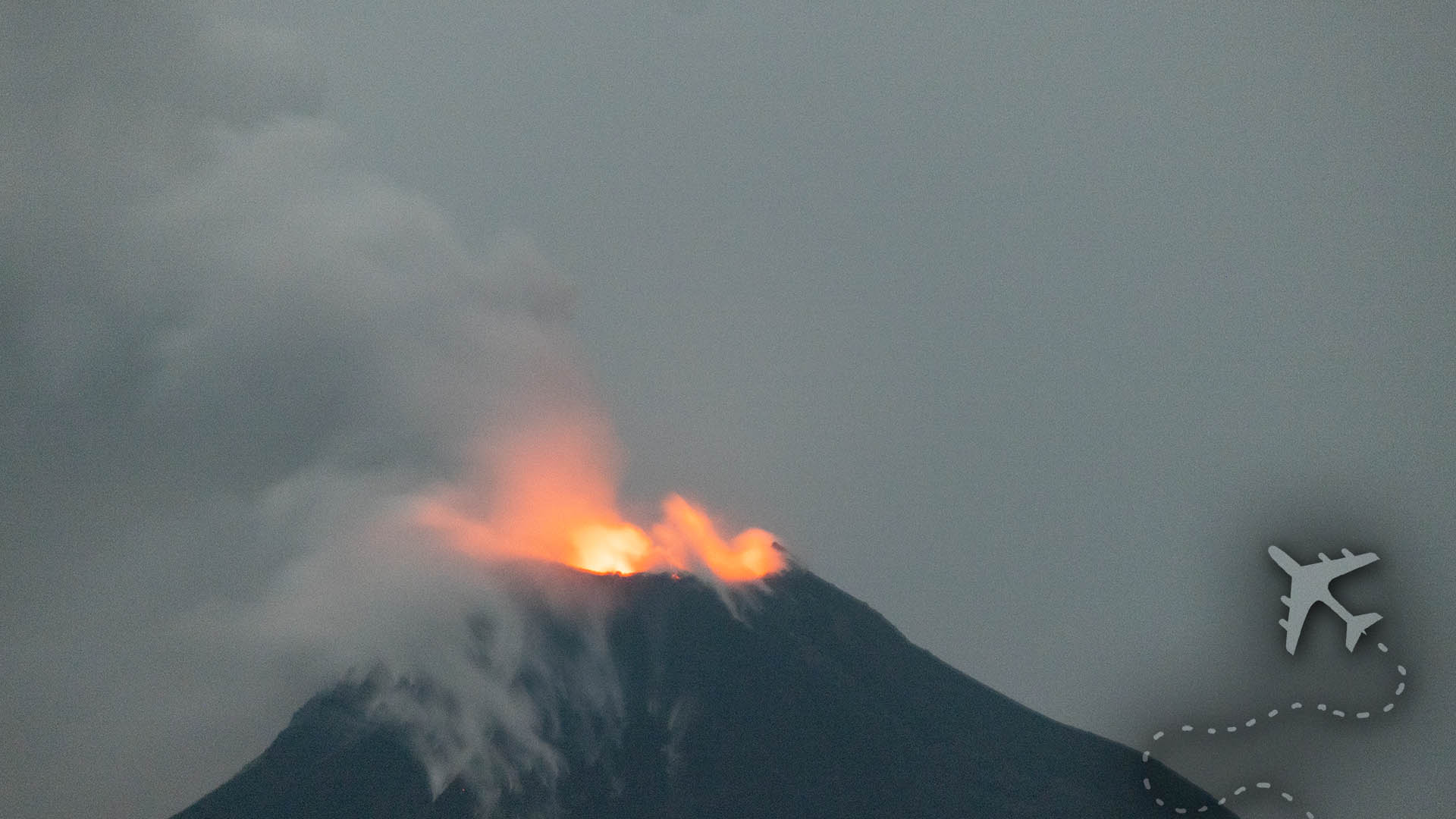

Most volcanoes spend their lives pretending to be mountains.
Lewotobi Laki-Laki doesn’t bother with those shenanigans.
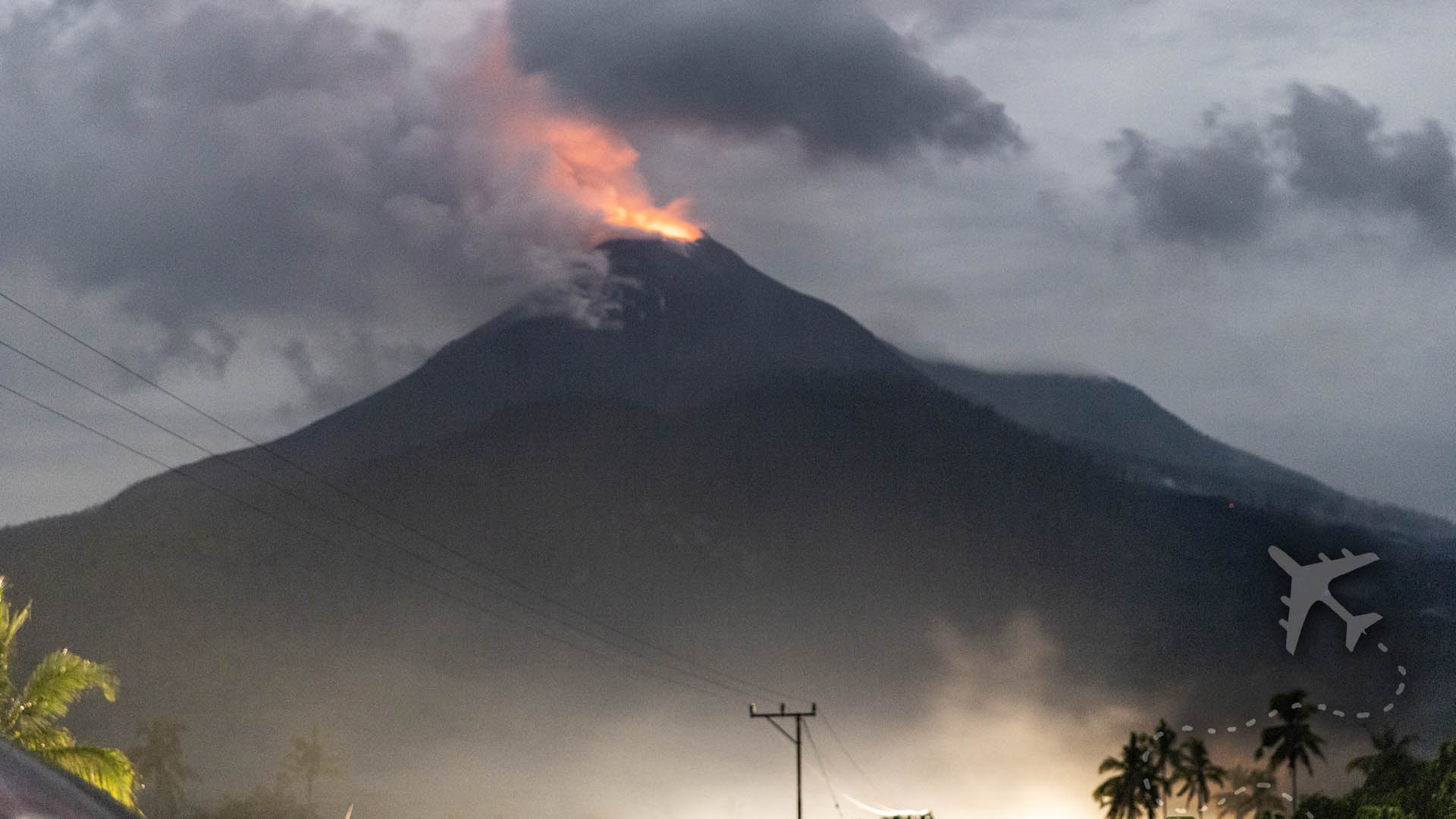
It sits on the eastern end of Flores Island like a loaded gun, constantly reminding everyone nearby that it can erase decades of human history in a matter of minutes. It doesn’t ooze lazy rivers of lava for tourists to photograph. It explodes. It launches house-sized volcanic bombs through the sky. It buries villages beneath meters of ash. It turns lush tropical farmland into a gray wasteland overnight.
And unlike many of the world’s famous volcanoes, this one isn’t some ancient disaster people read about in history books.
It’s happening right now.
Destination: Lewotobi Laki-Laki Eruption
CURRENT WEATHER
overcast clouds (81F / 27C)

AIR QUALITY INDEX (AQI)
Unhealthy (158)
Welcome to One of the Most Dangerous Volcanoes in Indonesia
When I arrived in eastern Flores, I wasn’t chasing another postcard-worthy volcano sunrise. I came to see what remained after the television crews packed up and the world moved on. I wanted to walk through the villages that had been devastated by one of Indonesia’s most violent eruptions and witness the destruction with my own eyes.
I got exactly what I came for.
The closer I drove toward Lewotobi, the quieter everything became.
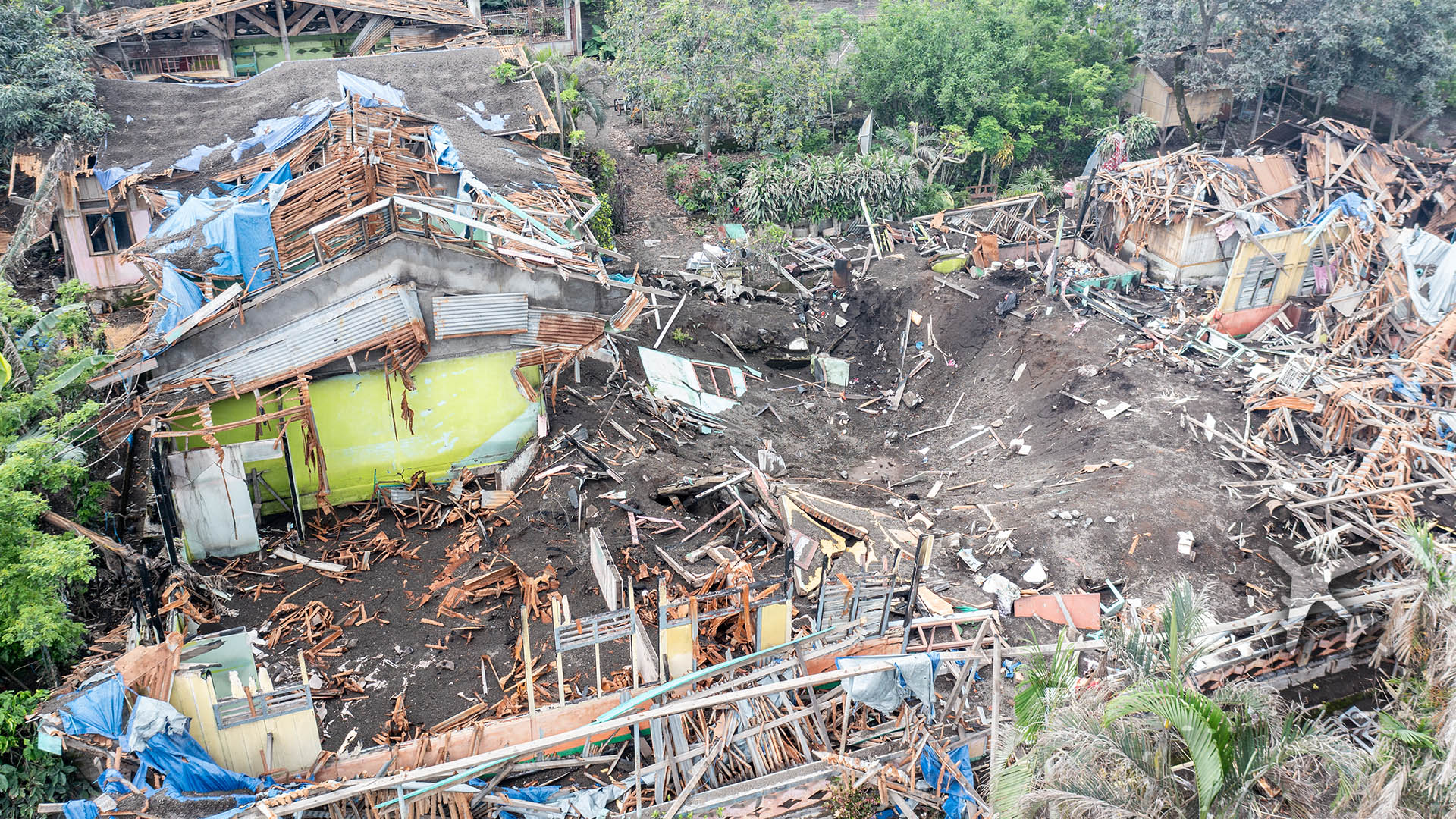
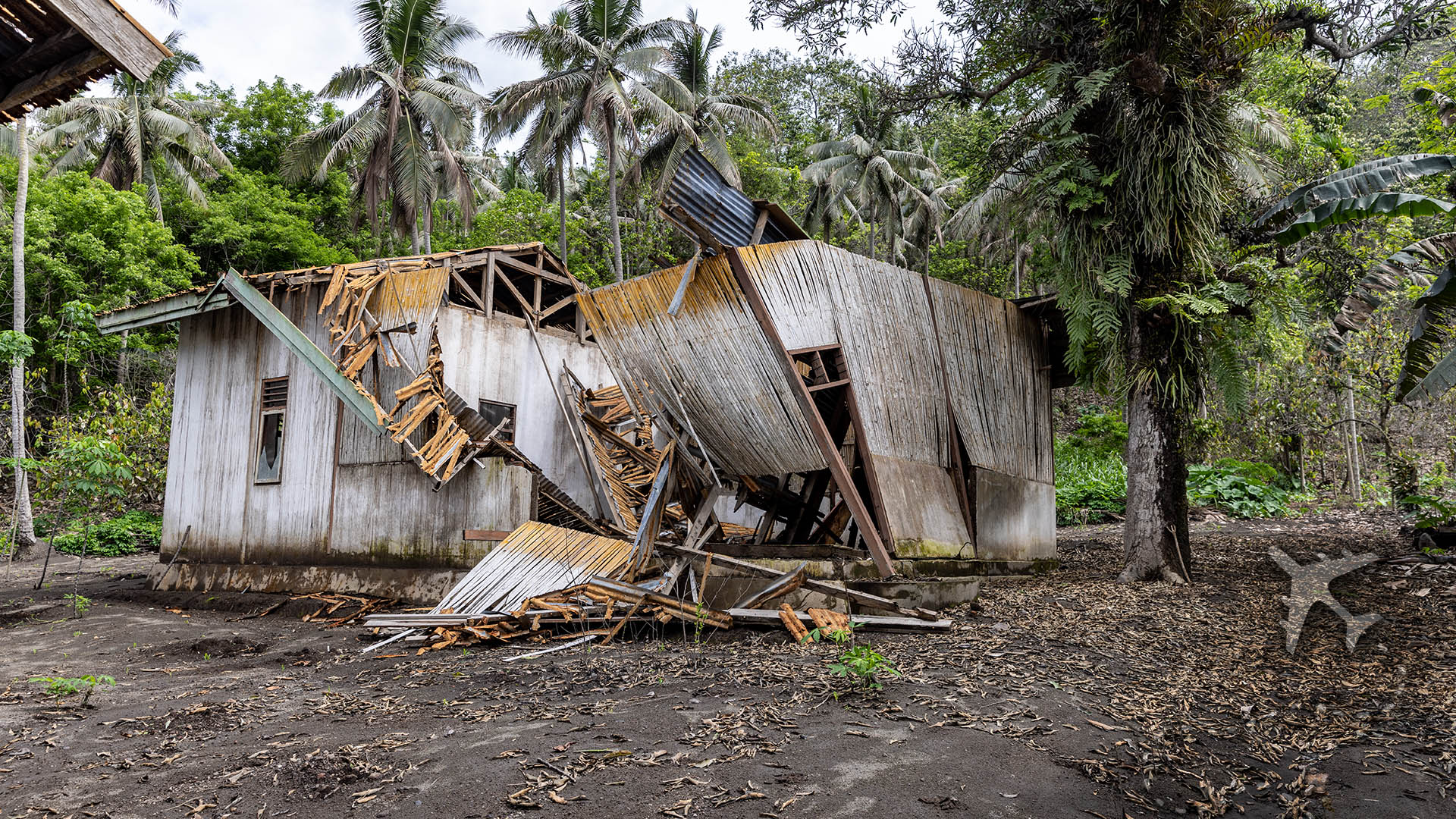
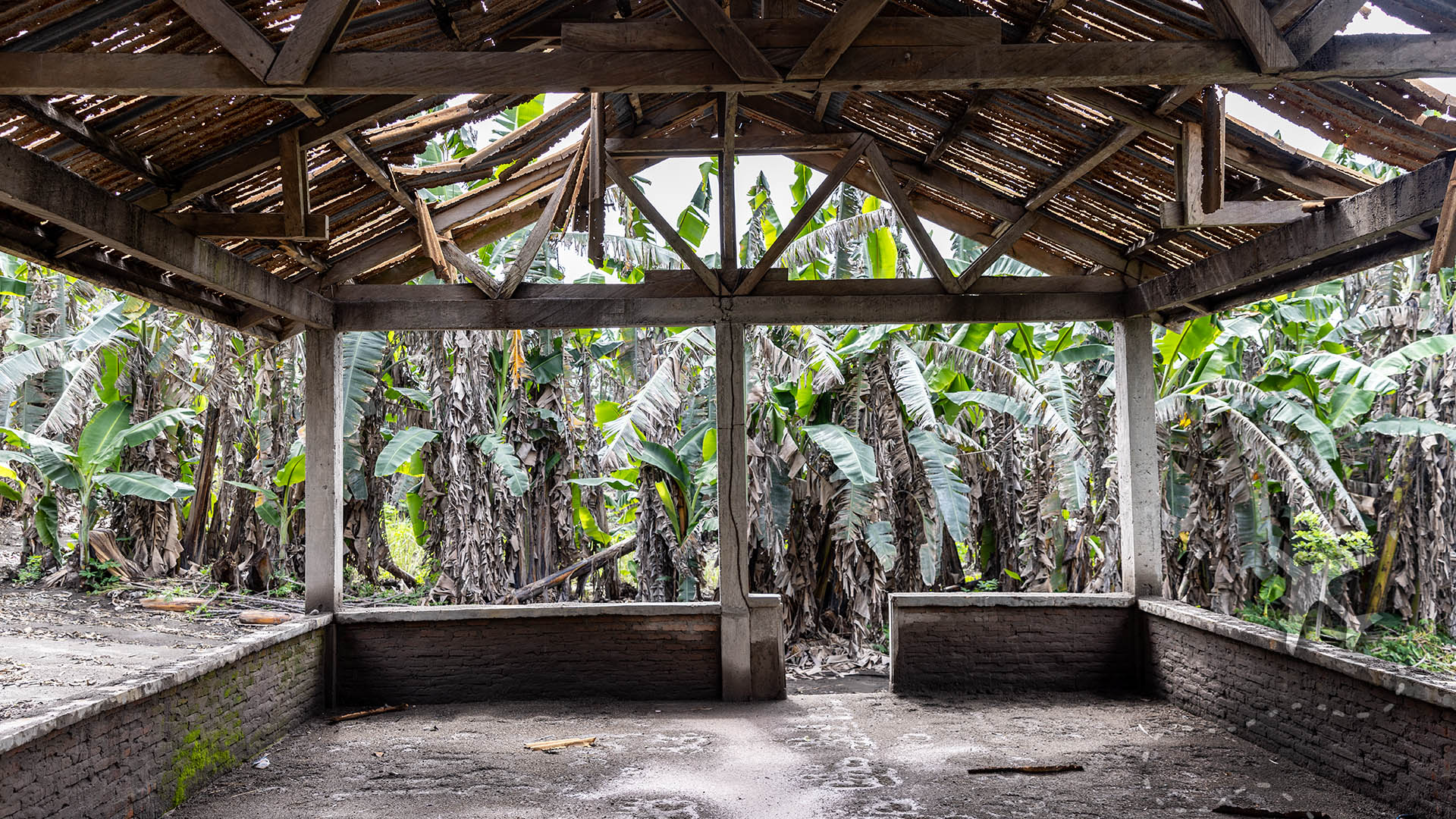
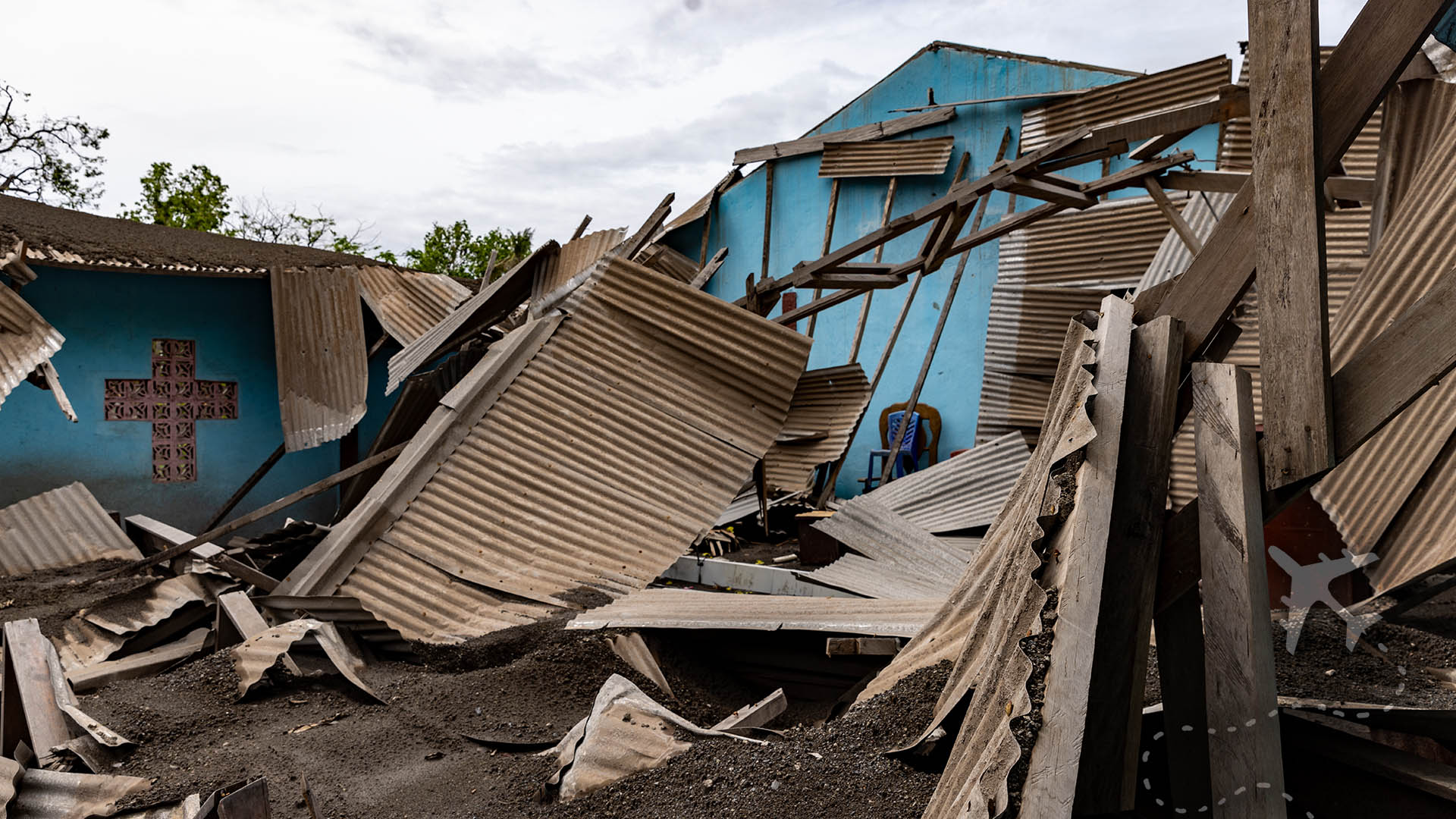
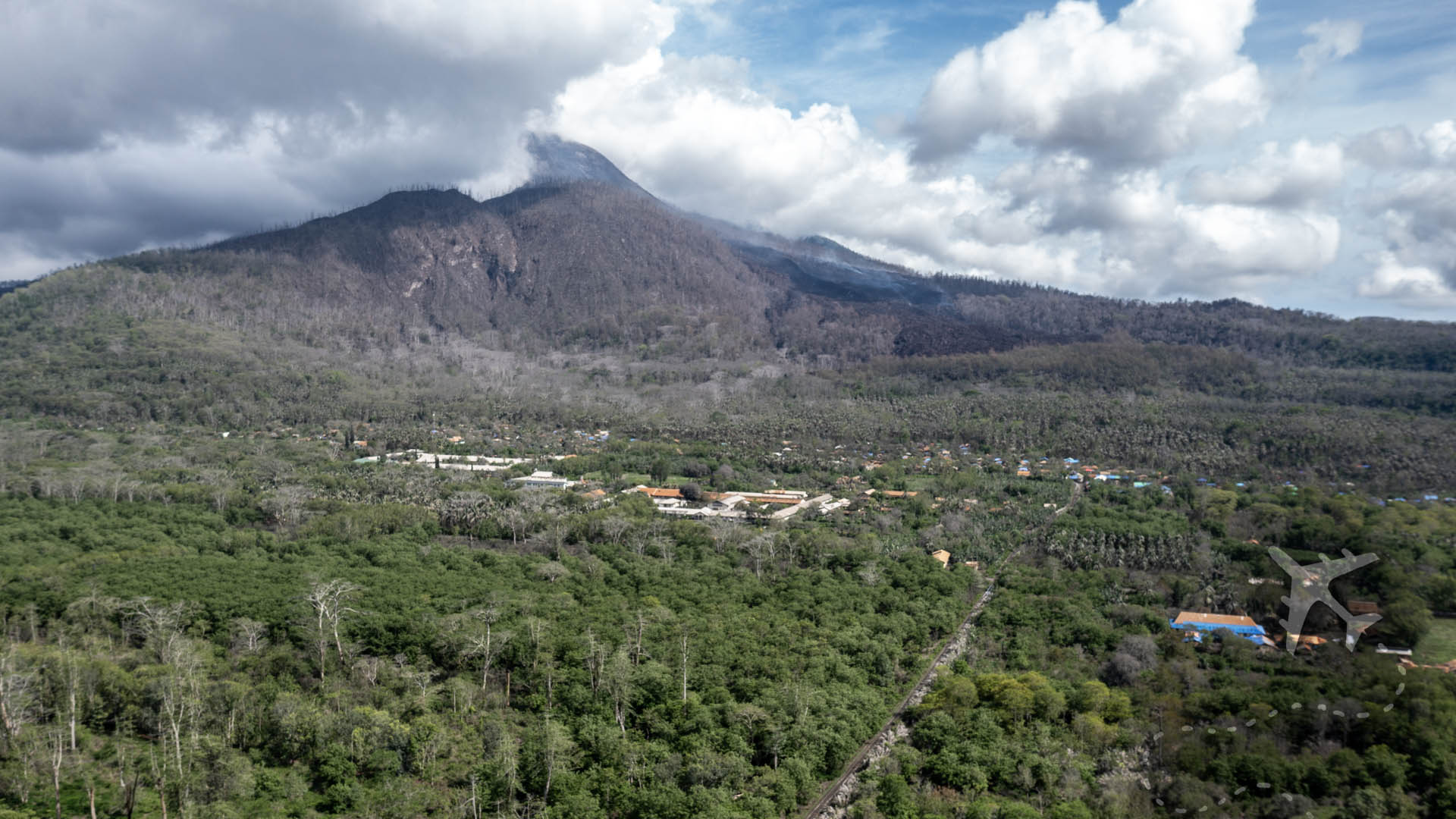
Entire communities looked like someone had simply pressed pause. Roofs had collapsed beneath the crushing weight of volcanic ash. Banana trees stood stripped bare, their leaves burned away by heat and debris. Massive black volcanic bombs, some the size of compact cars, lay scattered through villages where families had been eating dinner only months before. Every few kilometers another abandoned house appeared, its windows shattered, its walls coated in thick gray dust, and its future uncertain.
This wasn’t ancient history.
This wasn’t some forgotten disaster buried in a museum.
This was yesterday.
And the volcano was still smoking.

That’s what makes Lewotobi Laki-Laki so unsettling.
Indonesia has more than 120 active volcanoes, and many have become famous tourist destinations. People hike them before sunrise, snap a few Instagram photos, and head back to their hotels by lunchtime.
Lewotobi isn’t that kind of volcano.
It’s unpredictable. It’s explosive. And when it erupts, it doesn’t just create spectacular views. It destroys everything in its path.
The Lewotobi volcanic complex is made up of two neighboring peaks: Lewotobi Laki-Laki, meaning “Male,” and Lewotobi Perempuan, meaning “Female.” For the local Lamaholot people, the twin volcanoes represent balance and harmony.
Standing beneath Laki-Laki after its latest eruption, harmony is the last word that comes to mind.
The mountain feels alive.
Even from miles away, towering columns of ash occasionally rise above the summit, a constant reminder that the eruption isn’t necessarily over. Beneath the surface, magma continues to force its way upward. Every tremor, every plume of smoke, and every rumble carries the possibility that the mountain could erupt again without warning.
Volcanoes don’t negotiate.
They don’t care how long you’ve lived there.
They don’t care that your family has farmed the same hillside for generations.
When they decide it’s time, they simply take everything back.
Walking Through the Disaster Zone
Nothing prepares you for seeing volcanic destruction with your own eyes.
Television compresses everything into a few dramatic aerial shots. Headlines count the number of displaced families before moving on to the next catastrophe. Social media turns disasters into another scrolling distraction.
Reality is far more unsettling.
Driving through the evacuation zone felt less like visiting a tourist destination and more like entering a crime scene.
Ash coated everything.
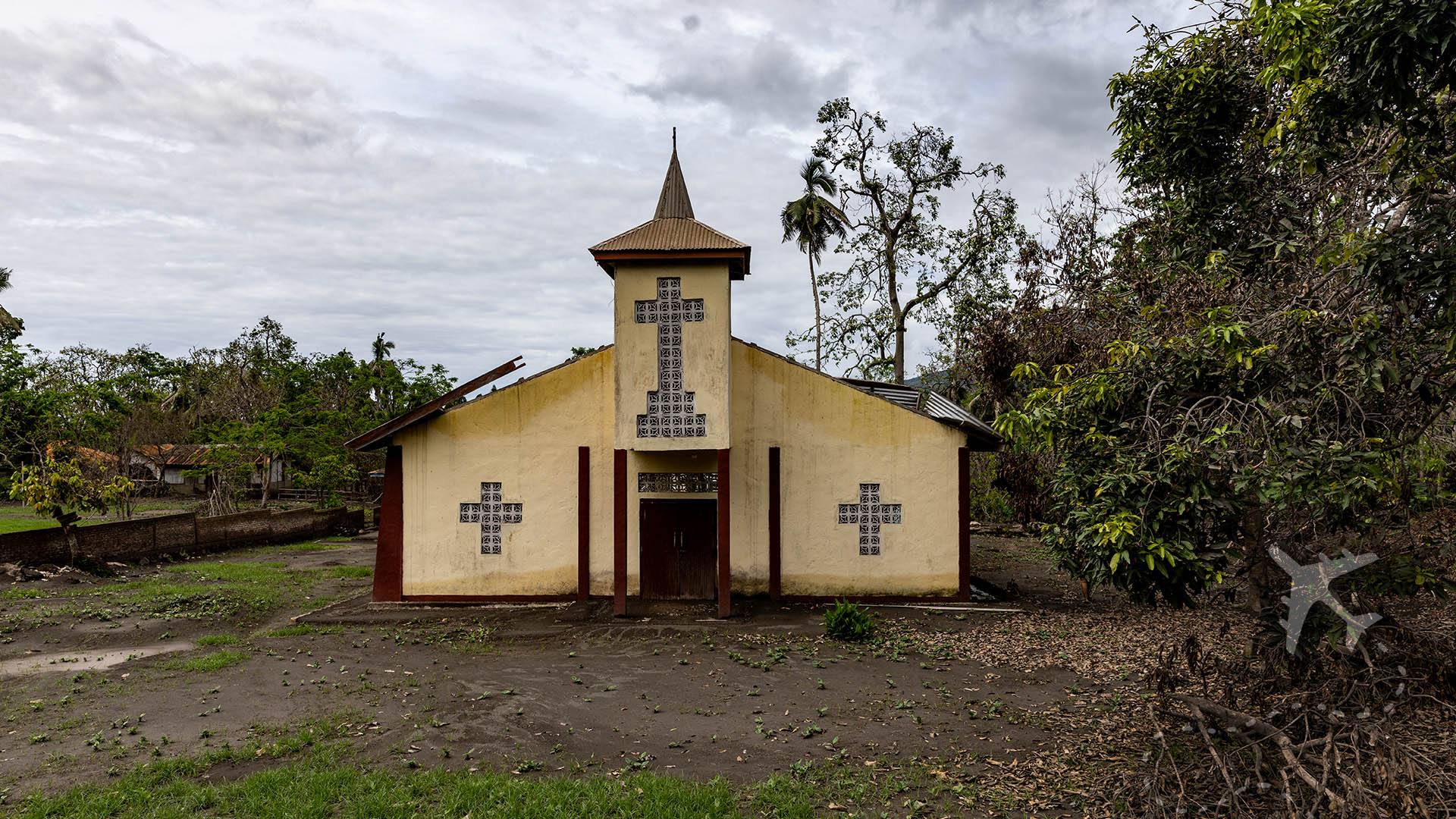
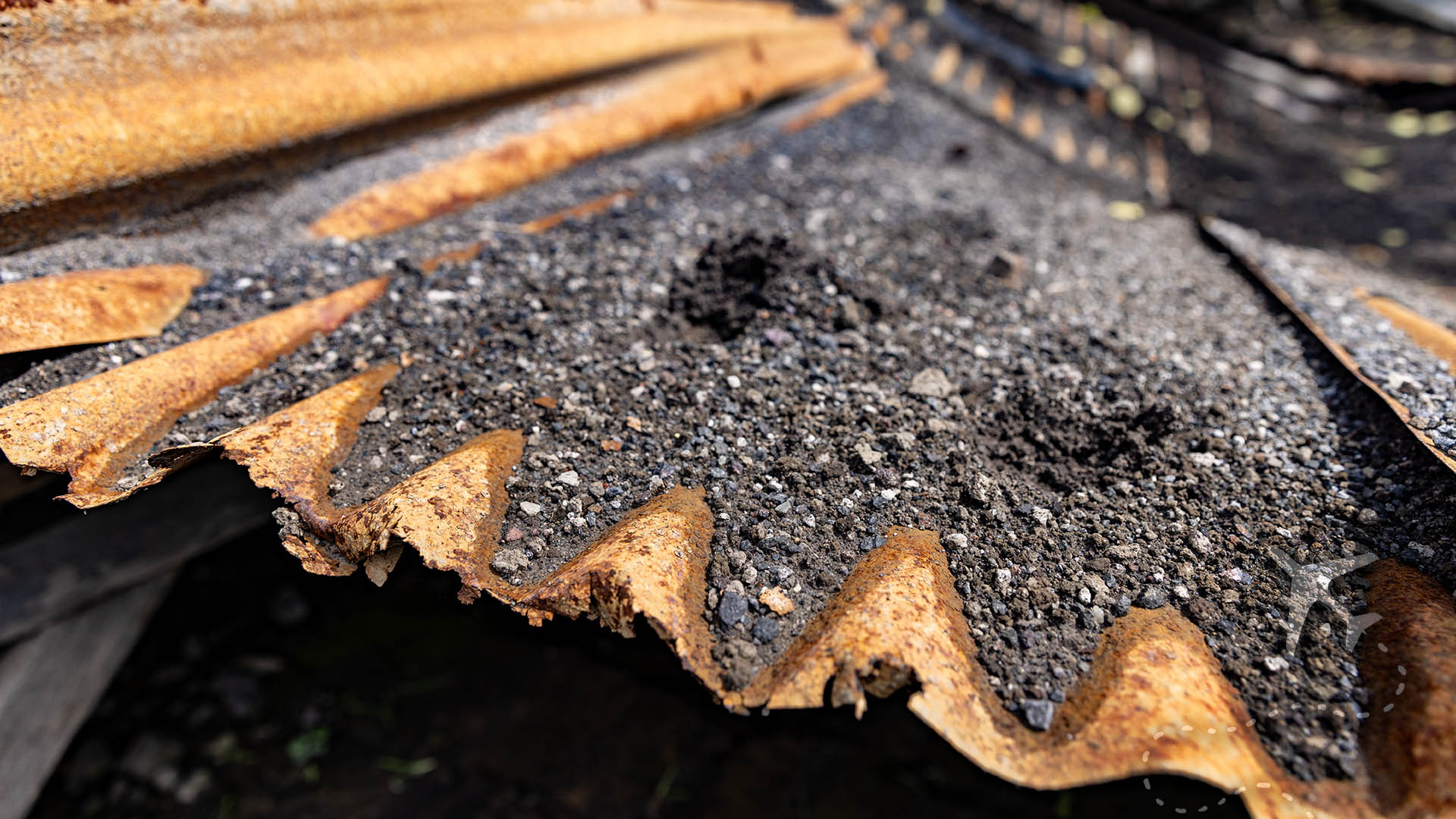
It covered roads, homes, schools, churches, motorcycles, and rice fields. Every surface carried a dull gray blanket that muted the vibrant colors Flores is famous for. Even months after the eruption, every passing vehicle kicked fine volcanic dust back into the air, creating ghostly clouds that drifted through abandoned villages.
Then there were the lava bombs.
Photographs simply don’t capture their scale.
These weren’t little volcanic rocks tourists collect as souvenirs.
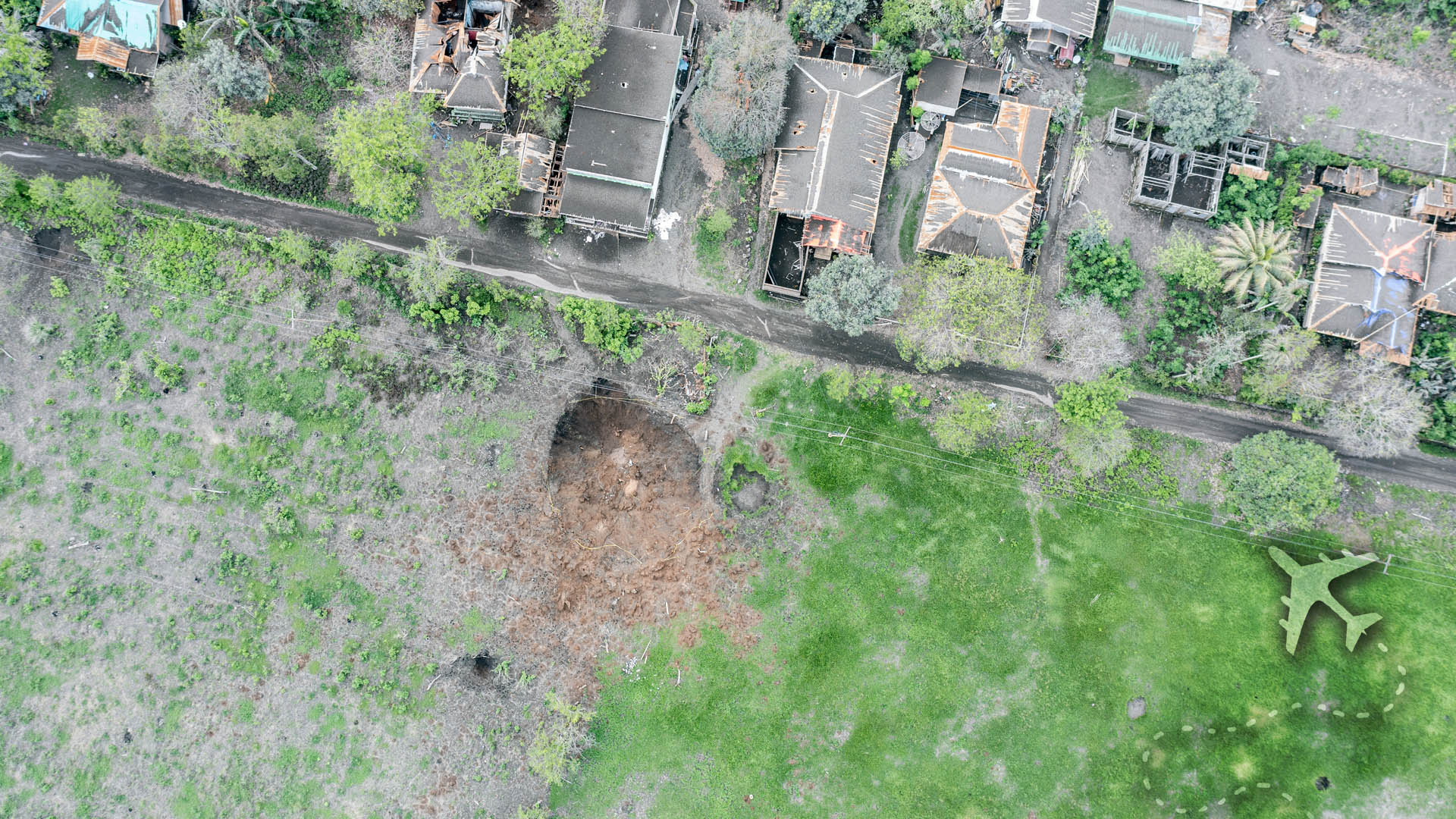
These were massive chunks of molten Earth that had been blasted kilometers through the sky before crashing into villages with enough force to punch enormous craters into the landscape.
One impact site near a monastery stopped me in my tracks.

The crater measured roughly five meters across.
Five meters.
Standing on its edge, it became painfully obvious that if anyone had been standing there during the eruption, there would have been nothing left to recover.
Mother Nature doesn’t issue warnings twice.
When Lewotobi Exploded
The people living around Lewotobi have always known the mountain was dangerous.
Its history is written in ash.
For centuries, eruptions have repeatedly destroyed villages, buried farmland, and forced communities to start over again and again. Historical records stretch back hundreds of years, documenting explosive events that reshaped both the landscape and the lives of the people who call Flores home.
Then came November 2024.
Months of increasing seismic activity finally reached their breaking point.
The mountain exploded with extraordinary violence.
Towering columns of ash blasted more than ten kilometers into the atmosphere. Pyroclastic flows thundered down the slopes faster than any human could outrun. Superheated clouds of gas, ash, and rock swept through villages with temperatures capable of incinerating nearly everything in their path.
Thousands of residents fled with only what they could carry.
Many never returned.
Entire neighborhoods disappeared beneath ash.
Livestock died where they stood.
Fields that had supported families for generations became sterile landscapes of volcanic debris.
Airports closed.
Flights were canceled.
Water supplies became contaminated.
Life across eastern Flores came to a standstill while one mountain reminded everyone who was truly in charge.
And the worst part?
Nobody knows when it’ll happen again.
Sleeping Five Kilometers From an Angry Volcano
Getting close to Lewotobi wasn’t easy.
Outside Labuan Bajo, Flores quickly becomes rugged, remote, and wonderfully unforgiving. Tourist infrastructure all but disappears. Hotels become scarce. Homestays become even scarcer. Long stretches of twisting mountain roads snake through isolated villages where Google Maps starts feeling more like a suggestion than a guarantee.
Finding somewhere to stay near the volcano seemed almost impossible.
By sheer luck, I checked into Happy Dive Retreat outside Maumere. During a conversation with one of the owners, they suggested something I hadn’t even considered.
“Go talk to the volcanologists.”
So I did.
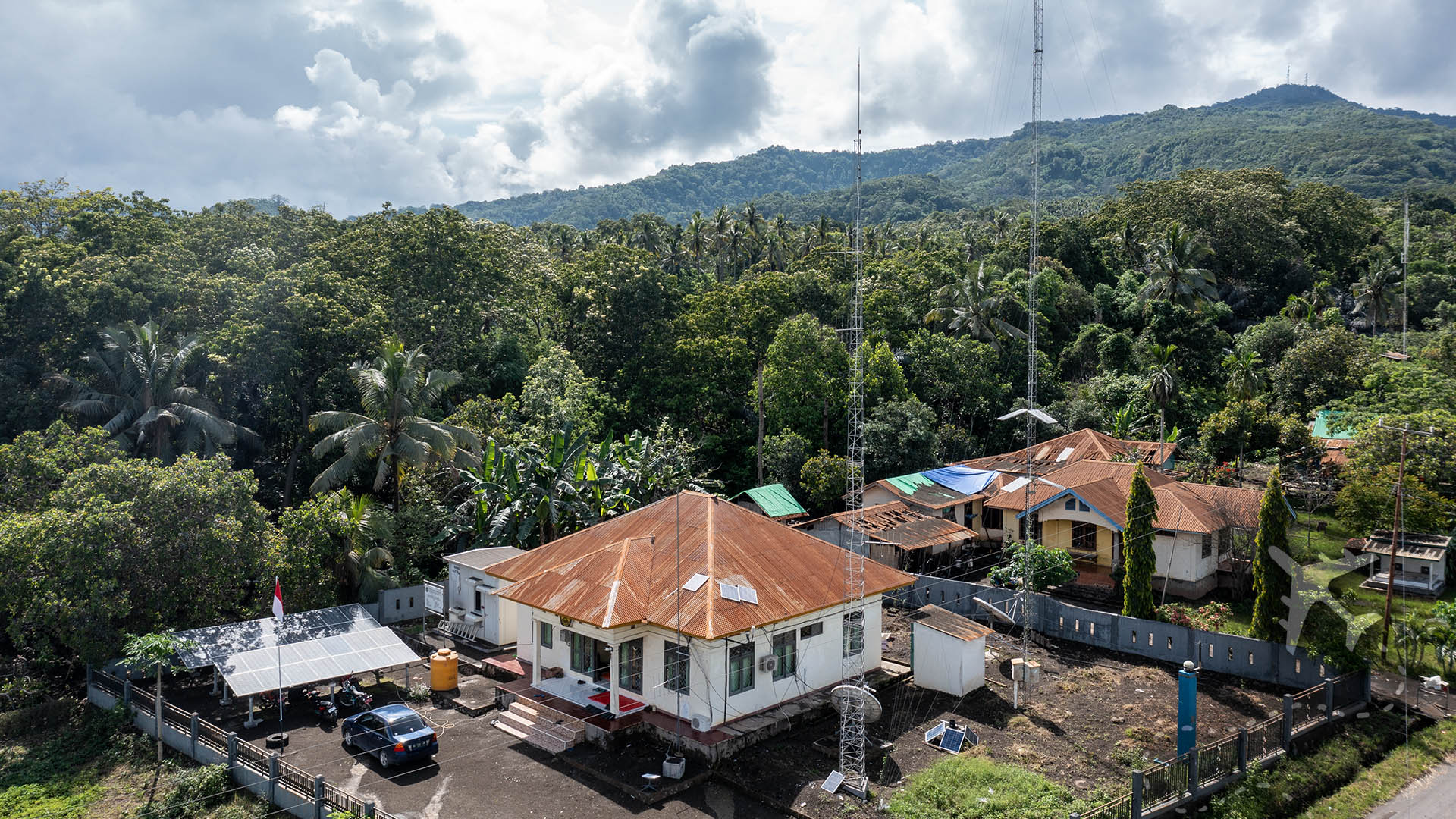
A few hours later, I found myself at the Lewotobi Volcano Observation Post, less than five kilometers from one of Indonesia’s most active volcanoes.
Instead of treating me like an inconvenience, the geologists welcomed me in like an old friend.
Then they did something I’ll never forget.
They offered me a place to stay.
That night, while one of Indonesia’s most explosive volcanoes rumbled in the darkness outside, I slept alongside the scientists whose entire job revolves around watching the mountain and trying to predict the impossible.
Listening to them explain seismic graphs, gas emissions, deformation monitoring, and eruption forecasting was fascinating.
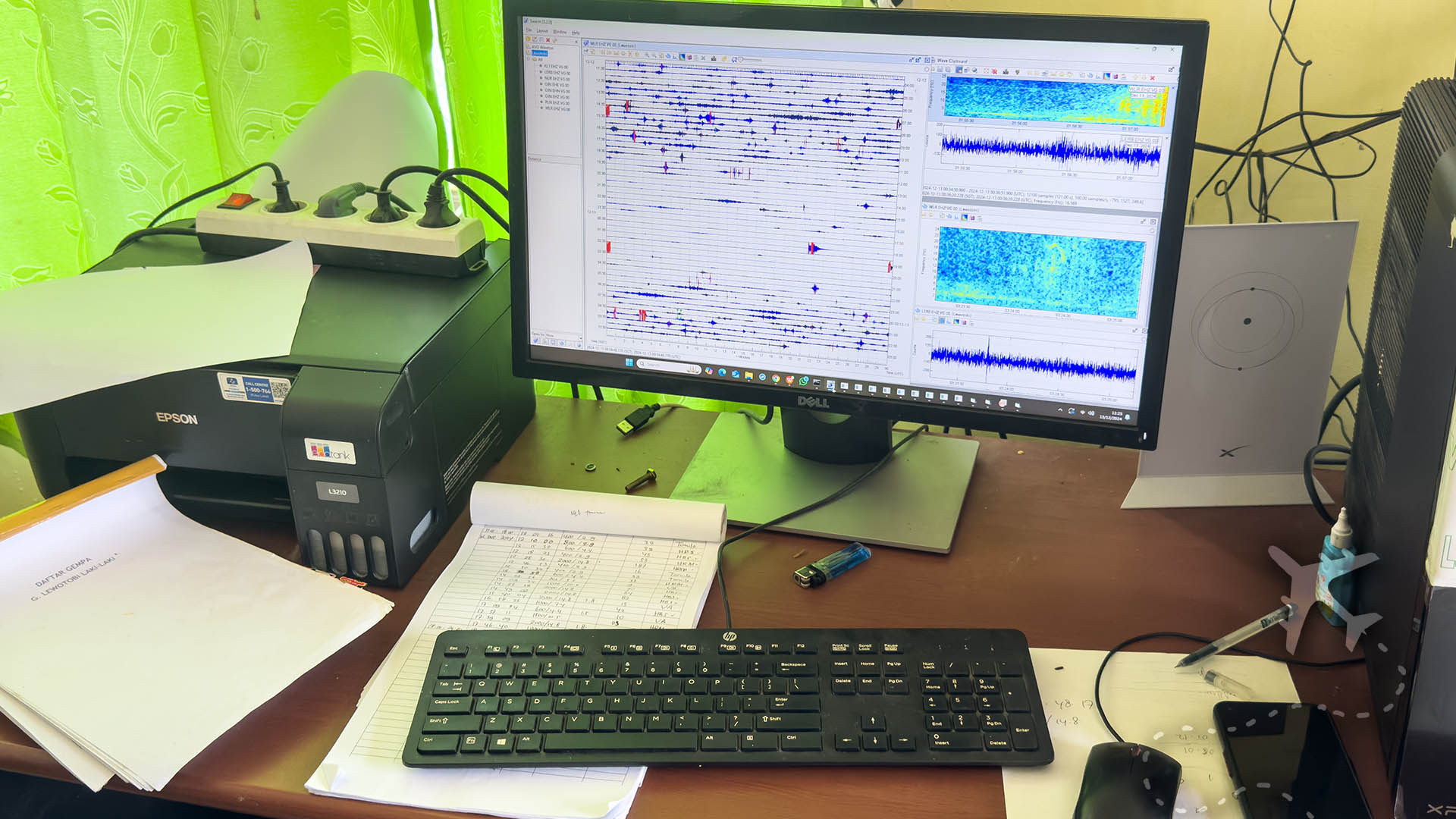
Listening to the volcano itself was terrifying.
Every distant rumble reminded me that despite all the technology surrounding us, Lewotobi still follows only one rule.
Its own.