


Welcome to Legazpi-Bicol
HOLY SHIT. You actually made it. The doors have opened at LGP, your phone is negotiating with a network, and every confident person in the arrivals hall is probably improvising just as hard as you are. Legazpi can be brilliant, scruffy, quiet, chaotic, or all four before lunch. We help separate genuinely worthwhile detours from places that merely photographed well once under suspiciously flattering light. The honest calculation is time versus distance. If you have only a narrow layover, explore close to the airport and call restraint a personality upgrade. If you have half a day or longer, Legazpi can reveal more than its transport infrastructure: street life, regional food, civic landmarks, natural edges, and the small details glossy tourism copy usually steamrolls. We will help you find the interesting shit without pretending exhaustion is an adventure sport.
Escaping LGP begins with the thrilling ritual of immigration, baggage, cash, connectivity, and locating the exit that does not deposit you beside a service road. Busy terminals love placing useful signs five seconds after the decision point, because clarity would apparently ruin the suspense. Before charging outside, confirm your return terminal, boarding deadline, luggage situation, and the realistic travel time into Legazpi. Save the airport address offline, take a screenshot of any booking details, and identify the official pickup or public-transport area while you still have Wi-Fi and patience. If you are on a connection, verify whether bags are checked through and whether leaving requires border formalities; assumptions are how a pleasant layover becomes an expensive documentary about panic. Keep essentials with you, avoid anyone inventing a special transport emergency, and do not schedule a distant attraction when the available window barely covers the round trip. On the way back, allow extra time for traffic, security, terminal changes, weather, and the airport’s deep commitment to making one simple corridor feel like an expedition. The goal is less shitty travel, not a heroic final sprint while your gate closes with exquisite punctuality.
Transportation around Legazpi can range from straightforward to a civic puzzle whose final boss is an unsigned platform. Public transit is usually best when routes are frequent, but check operating hours, surcharges, transfer rules, and ticket validation. Taxis are useful when time matters; use the official queue, agree on the method of charging, and show the destination in writing. A rental vehicle makes sense for dispersed sights and countryside, provided you understand local traffic and have confirmed parking. If walking, start in a district with several things worth seeing so your day becomes exploration instead of a competitive commute. Do not underestimate distance because two icons appear close on a tiny screen. Build the outing in a loop, leave room for missed connections, and arrange late-night travel before the streets empty. The winning strategy is not maximum movement. It is spending more time in Legazpi than traveling repeatedly across it while whispering increasingly inventive profanity at a map.
For safety, approach Legazpi with awareness rather than paranoia. Most visitors who use ordinary precautions can concentrate on enjoying the place: keep valuables discreet, watch bags in terminals and crowded transport, use authorized vehicles, and avoid isolated areas after dark when you do not know the neighborhood. Traffic, heat, cold, altitude, rough water, uneven ground, or sudden weather may be a more immediate problem than crime, depending on the setting, so dress for conditions and carry water when appropriate. Ask locally about areas to avoid, respect religious and cultural expectations, and never photograph security facilities, officials, private homes, or people without permission. Keep identification and emergency information accessible, share plans for remote outings, and trust discomfort early instead of waiting for it to become a story. Legazpi is not a disaster waiting to happen, nor is it a consequence-free playground built for visitors. Be courteous, stay sober enough to make decisions, protect your return transport, and you can explore Philippines positively without turning basic common sense into an optional upgrade.

Map of Legazpi-Bicol and Nearby Destinations
Places to Explore Near LGP Airport
Near the Airport
Places within 1'ish hour of LGP airport. Perfect for medium layovers, overnight stays, and travelers avoiding family or work obligations.

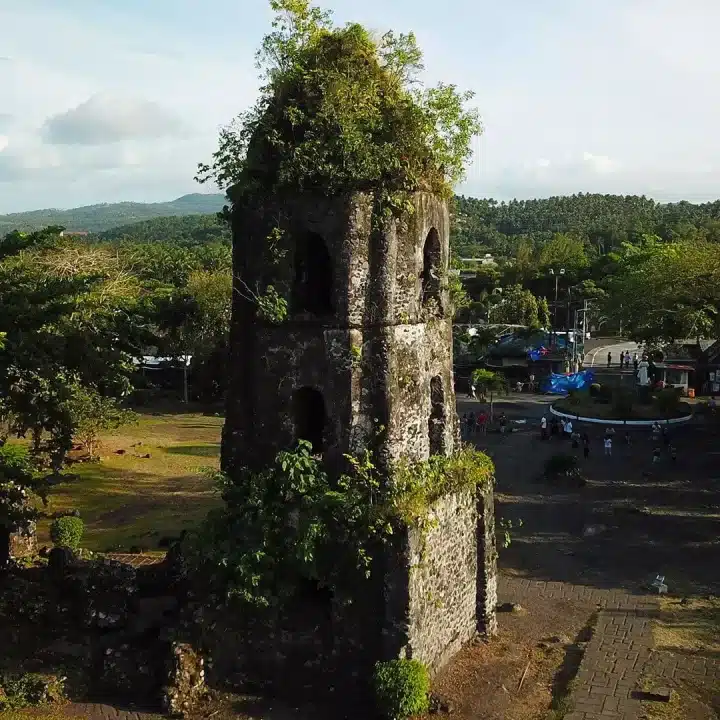

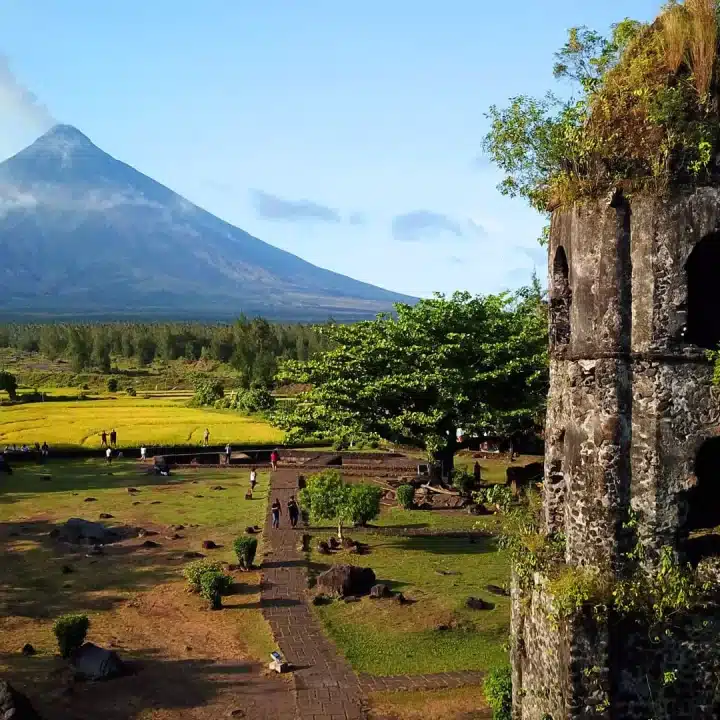
Cagsawa Ruins: Come for the Bell Tower, Pay the Foreigner Tax
Cagsawa Ruins is beautiful, historic and surprisingly quick to explore. Wander the remains of a church destroyed in 1814, photograph its iconic bell tower, question some historical site-planning decisions, and discover that apparently foreign cars require twice as much parking lot.
Read more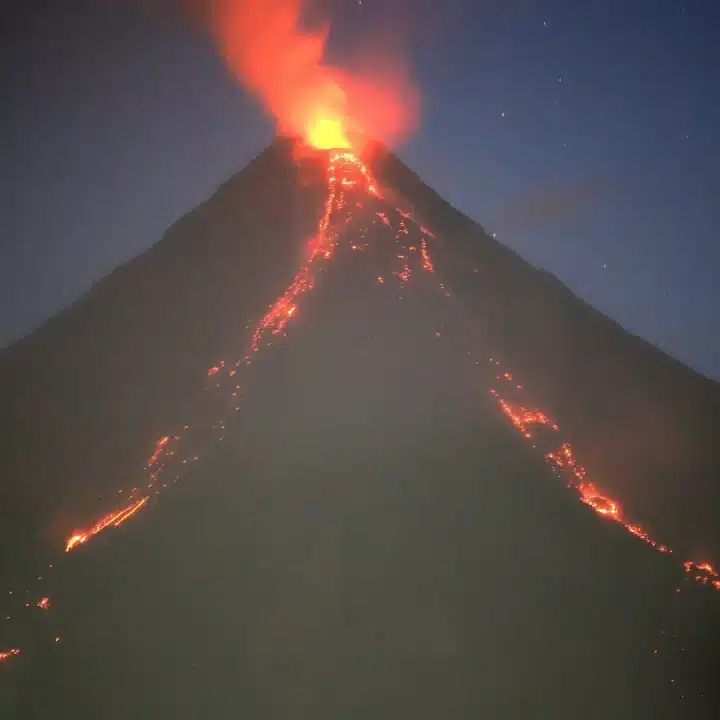
Mayon Volcano: A Threatening Force of Nature
Mayon’s 2018 eruptions gave way to a constant stream of lava spilling down the mountainside toward the villages below.
Read moreMulti-Day Trips
Needing overnight accommodations to properly explore the shenanigans. Each destination will need more than an aggressively optimistic afternoon.
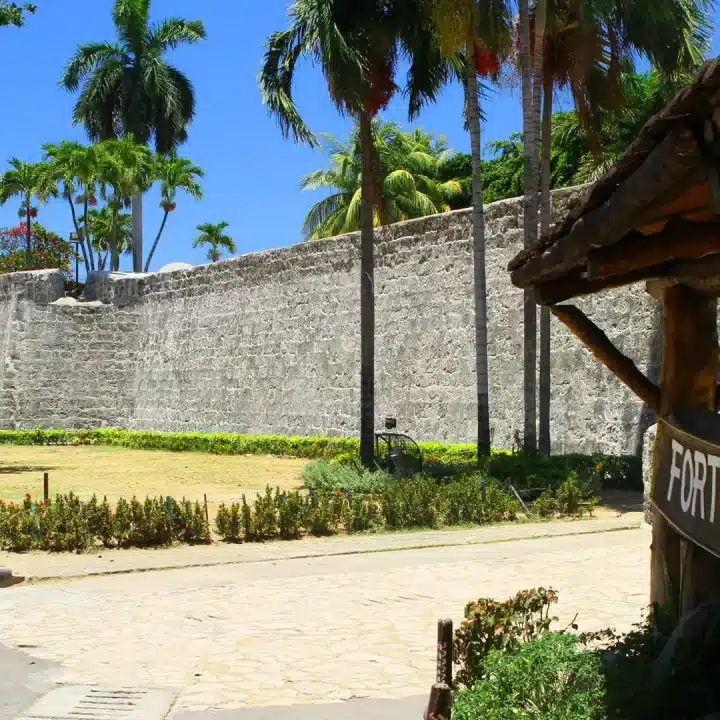


Fort San Pedro: Cebu’s Most Important Fort That’s Honestly Just… Mid
Fort San Pedro is one of the most historically important landmarks in the Philippines, but let’s be honest… it’s probably not the most exciting. In about an hour, you can explore the country’s oldest triangular fort, learn how Spanish colonization began in Cebu, and wander centuries-old coral stone walls that have survived wars, revolutions, and occupations. Skip the self-guided tour and spend a few extra pesos on one of the knowledgeable local college student guides. Their stories bring the fort to life in a way the information signs never could.
Read more
The Philippines: Uncovering the Stunning Beauty of 7,000+ Islands
Embark on a voyage of discovery in the Philippines, where each island is a vibrant chapter in a tropical paradise. From the pristine beaches of Palawan to the bustling streets of Manila, the Philippines offers an unrivaled tapestry of beauty and culture.
Read more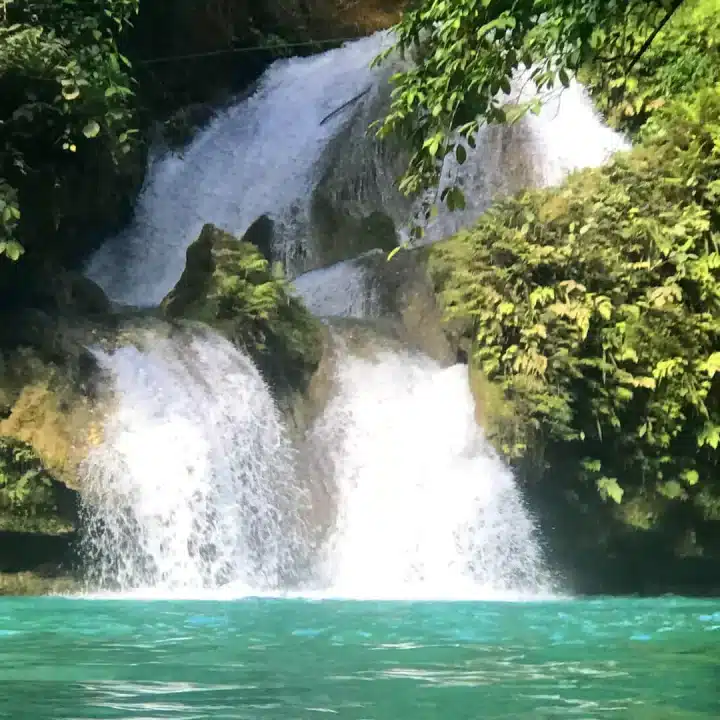


Kawasan Falls: Google Maps Tried to Kill Me
Kawasan Falls has impossibly blue water, spectacular jungle scenery and apparently the coldest fucking water in the Philippines. Getting there should have been easy, until Google Maps activated Adventure Mode and sent me on a completely unnecessary motorbike expedition into the mountains.
Read more
Chocolate Hills: Come for the Hills, Stay for 43 Seconds
Indulge your senses and witness the breathtaking natural wonder of the Philippines by visiting the Chocolate Hills today! Sadly, the hills aren’t made from chocolate.
Read more


Bohol Tarsiers: They’re like real-life Pokémon, But With Anxiety
Bohol’s tarsiers are tiny, bug-eyed furballs that look suspiciously like real-life Pokémon. They’re ridiculously adorable, slightly weird and guaranteed to make every shitty little kid immediately ask if they can have one. Spoiler alert: no. But you can photograph the hell out of them.
Read more


Bohol’s Broken Church: Well, That Escalated Geologically
A random stop at a nearly destroyed church in Bohol became a lesson in earthquakes, rebuilding, and humanity’s adorable belief that anything we build is permanent. Spoiler: the Earth disagrees.
Read more





Oslob Whale Sharks: Come for the Sharks, Survive the Bus
My first encounter with the world’s largest fish involved adolescent whale sharks measuring up to six meters, a snorkel, and a whole lot of holy shit. Somehow, swimming next to enormous sharks was still considerably less terrifying than the absolutely batshit bus ride from Cebu.
Read more
Discover Sumilon Island: A Tropical Paradise in Southeastern Cebu
Escape to paradise at Sumilon Island! White-sand beaches, crystal-clear waters, and tropical bliss await. Your island getaway begins now!
Read more
Plan Your Trip to Legazpi-Bicol
CURRENT WEATHER
light rain (86F / 30C)

AIR QUALITY INDEX (AQI)
Moderate (57)
SHADOW PASSENGER UPCOMING DEALS
FLIGHT DEALS TO LEGAZPI-BICOL (LGP)
No Shadow Passenger flights deals found
PAST SHADOW PASSENGER DEALS
PAST FLIGHT DEALS TO LEGAZPI-BICOL (LGP)
No Shadow Passenger flights deals found