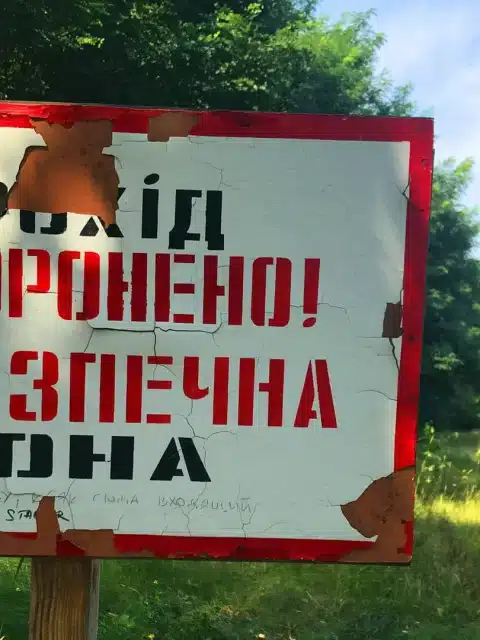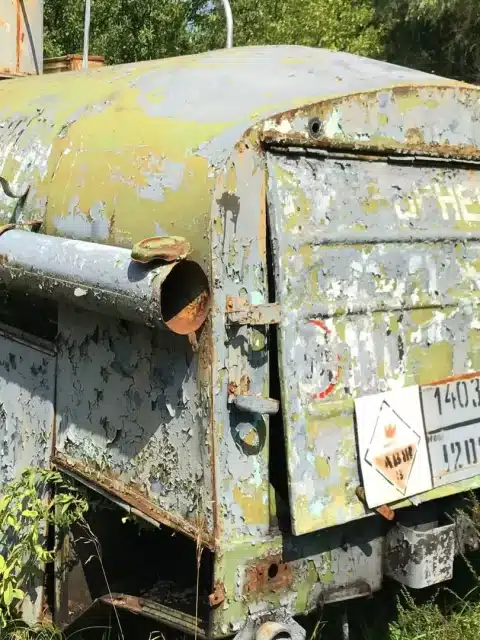






I’d spent years reading about Chernobyl before I finally went.
Reactor 4 fascinated me because of the engineering, the mistakes, the radiation and the absolutely horrifying sequence of events that turned a late-night safety test into one of humanity’s greatest technological disasters.
But Pripyat fascinated me for a completely different reason.
Reactor 4 showed me where the disaster happened.
Pripyat showed me what it did to people.
So in September 2017, toward the end of summer when Ukraine had thankfully begun dialing back the temperature from why the fuck am I wearing long pants in August, I entered the Chernobyl Exclusion Zone with some equally questionable friends and eventually arrived at a city where nearly 50,000 people had once lived.
Then, essentially overnight, almost all of them were gone.
Not because the city failed economically.
Not because a war destroyed it.
Not because everyone slowly moved somewhere better.
A nuclear reactor exploded a few kilometers away and rendered an entire functioning Soviet city expendable.
That’s difficult to comprehend until you’re standing in the middle of it.
DESTINATION: ABANDONED CITY OF PRIPYAT
GPS COORDINATES
51.4045, 30.0542
CLOSEST AIRPORT
CURRENT WEATHER
overcast clouds (55F / 13C)

AIR QUALITY INDEX (AQI)
Good (49)
PRIPYAT DIDN’T LOOK ABANDONED. IT LOOKED INTERRUPTED.
I’ve been to enough abandoned places to know the usual rhythm.
A place starts dying, people leave, buildings get ignored, and eventually nature starts kicking in the doors.
At the Buckner Building, the story is basically written into the concrete. The military left, the building stayed, Alaska spent decades beating the absolute shit out of it, and now this massive Cold War relic sits there looking like it lost an argument with weather.
Centralia is different, but the ending is familiar. An underground mine fire made the town increasingly unlivable, people were bought out or moved away, roads were closed, houses disappeared, and eventually the place became more absence than town.
Those places faded.
Pripyat didn’t.
Pripyat stopped.

That’s what made it feel so different.
There was no long decline. No slow-motion collapse of an industry. No gradual decision by thousands of people that maybe it was time to move somewhere else.
One day, Pripyat was a functioning Soviet city of nearly 50,000 people.
Then Chernobyl Reactor 4 exploded.
And roughly 36 hours later, the buses came.
That was the part I couldn’t stop thinking about while walking through the city.
At Buckner, I could picture the last military crews leaving.
At Centralia, I could understand a town slowly emptying as the fire kept winning.
But Pripyat wasn’t slowly abandoned.
It was evacuated.
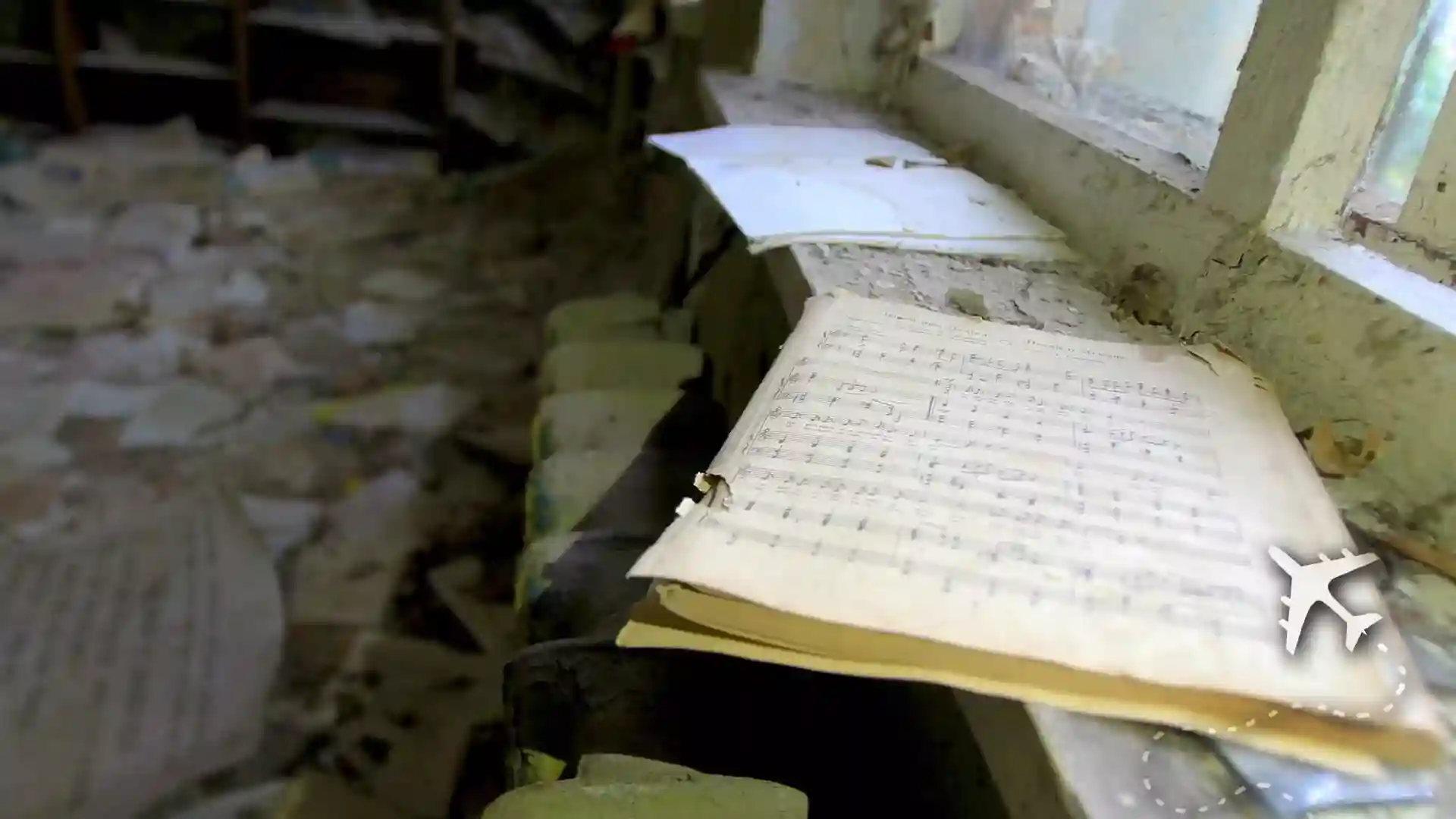
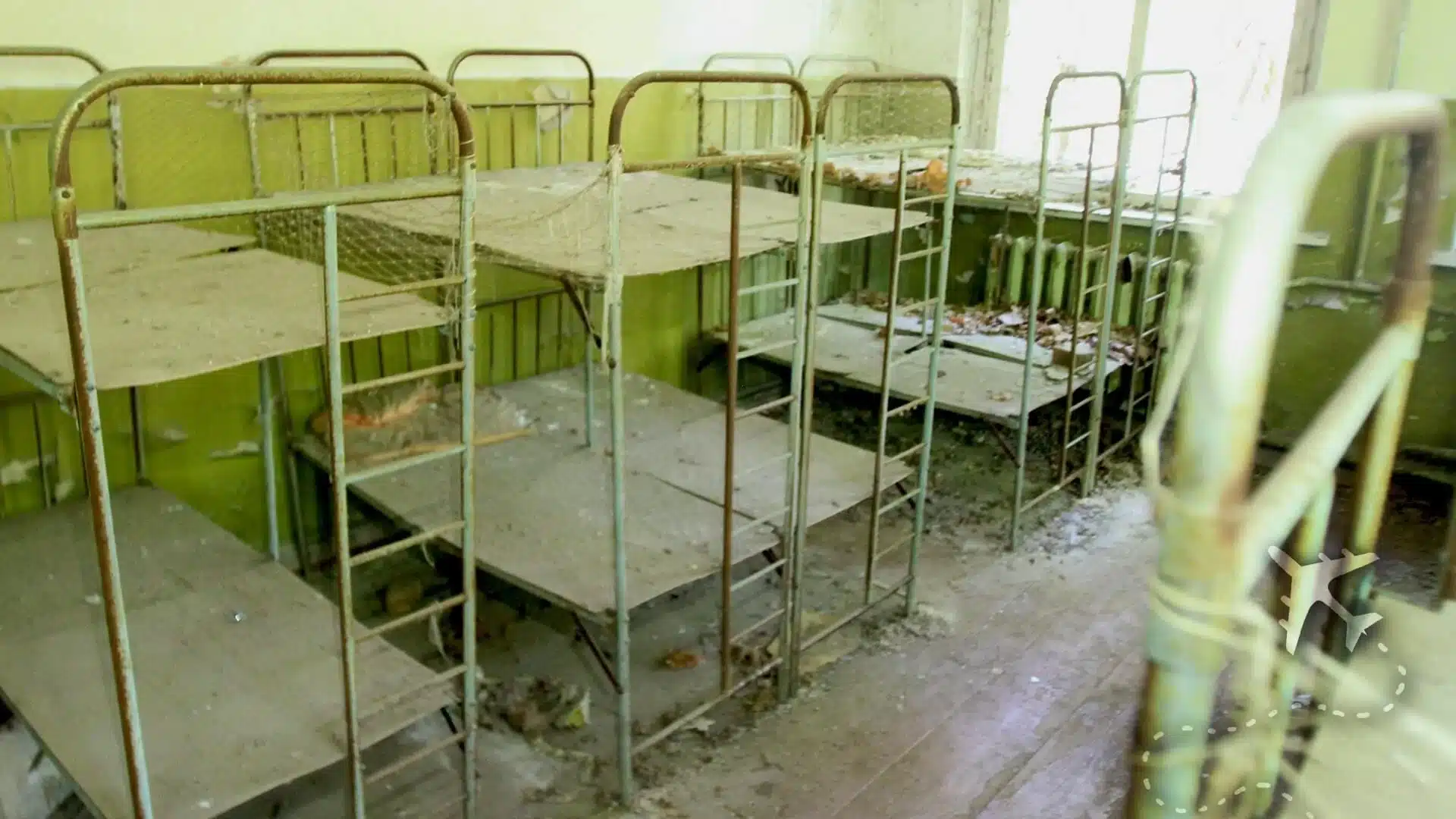
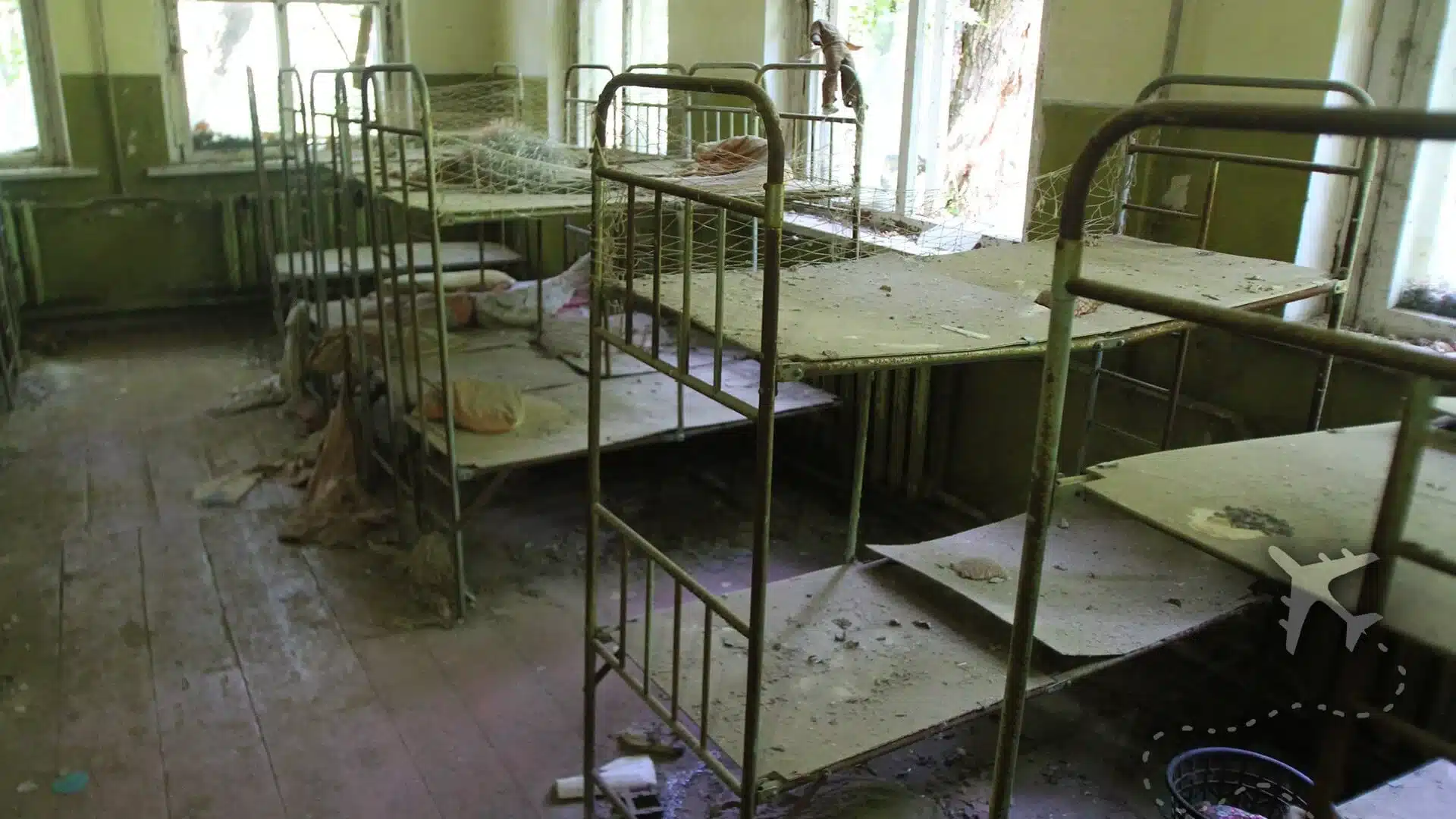
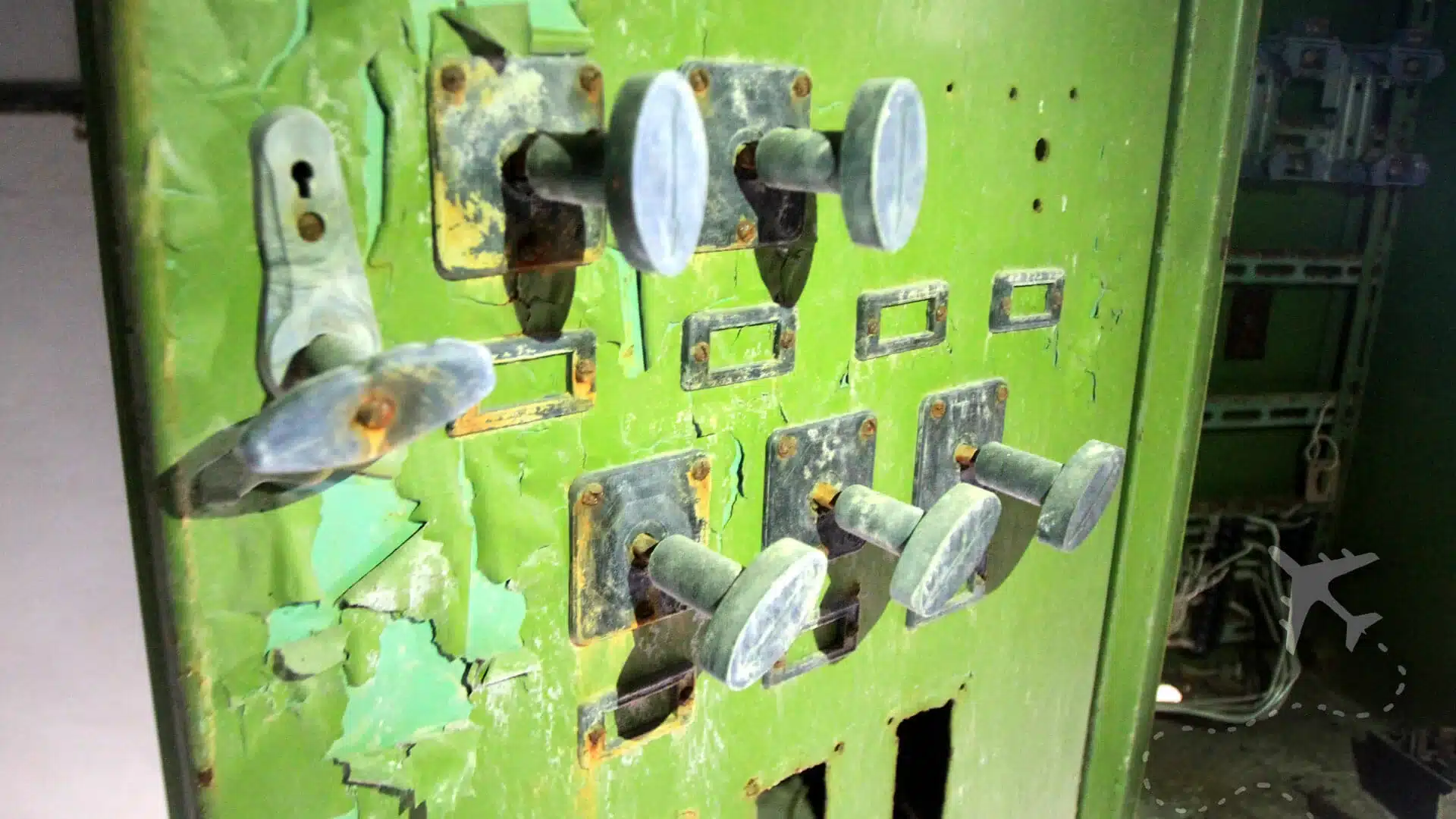
Families left apartments expecting to come back. Kids left schools that were supposed to reopen. People walked away from homes, kitchens, furniture, books, photographs and all the other completely ordinary shit that makes a city feel alive.
Then they never returned.
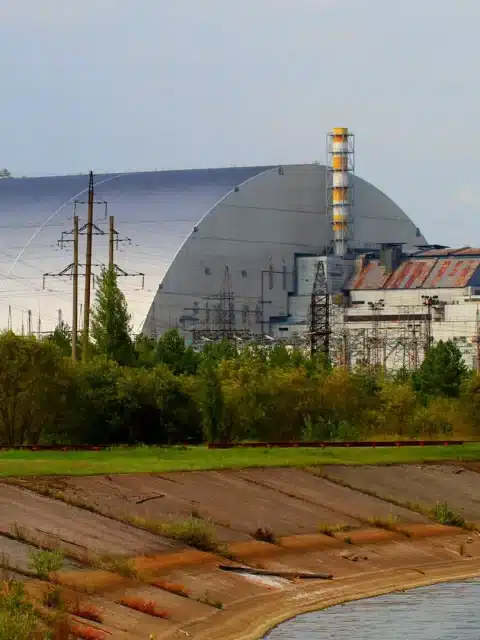
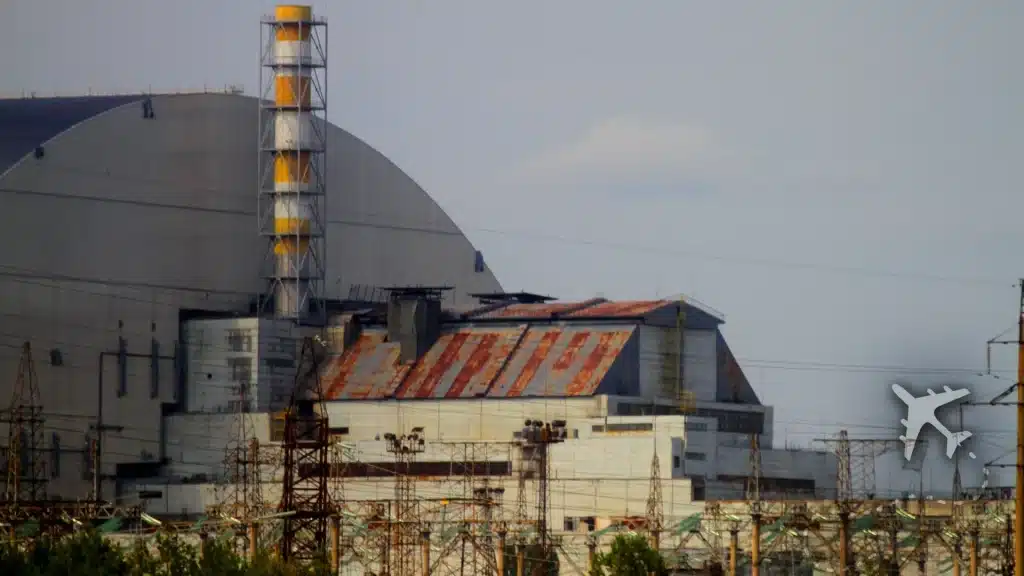
I’d already stood outside the Chernobyl Nuclear Power Plant and Reactor 4 and photographed the place where the disaster began.
That gave me the engineering story.
Pripyat gave me the human one.
And honestly, it hit harder.
Reactor 4 was concrete, steel, radiation and failure.
Pripyat was bedrooms.
Classrooms.
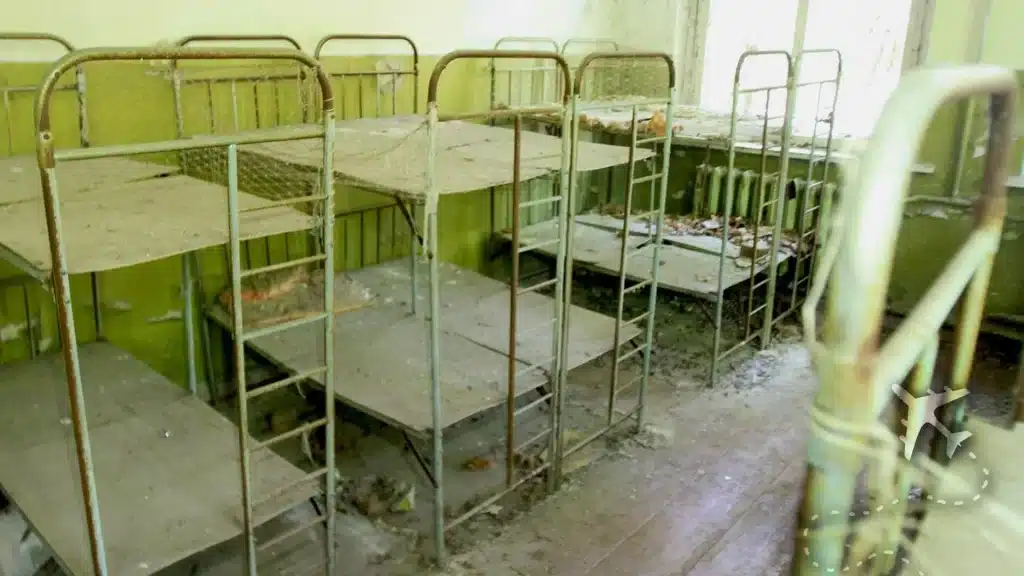
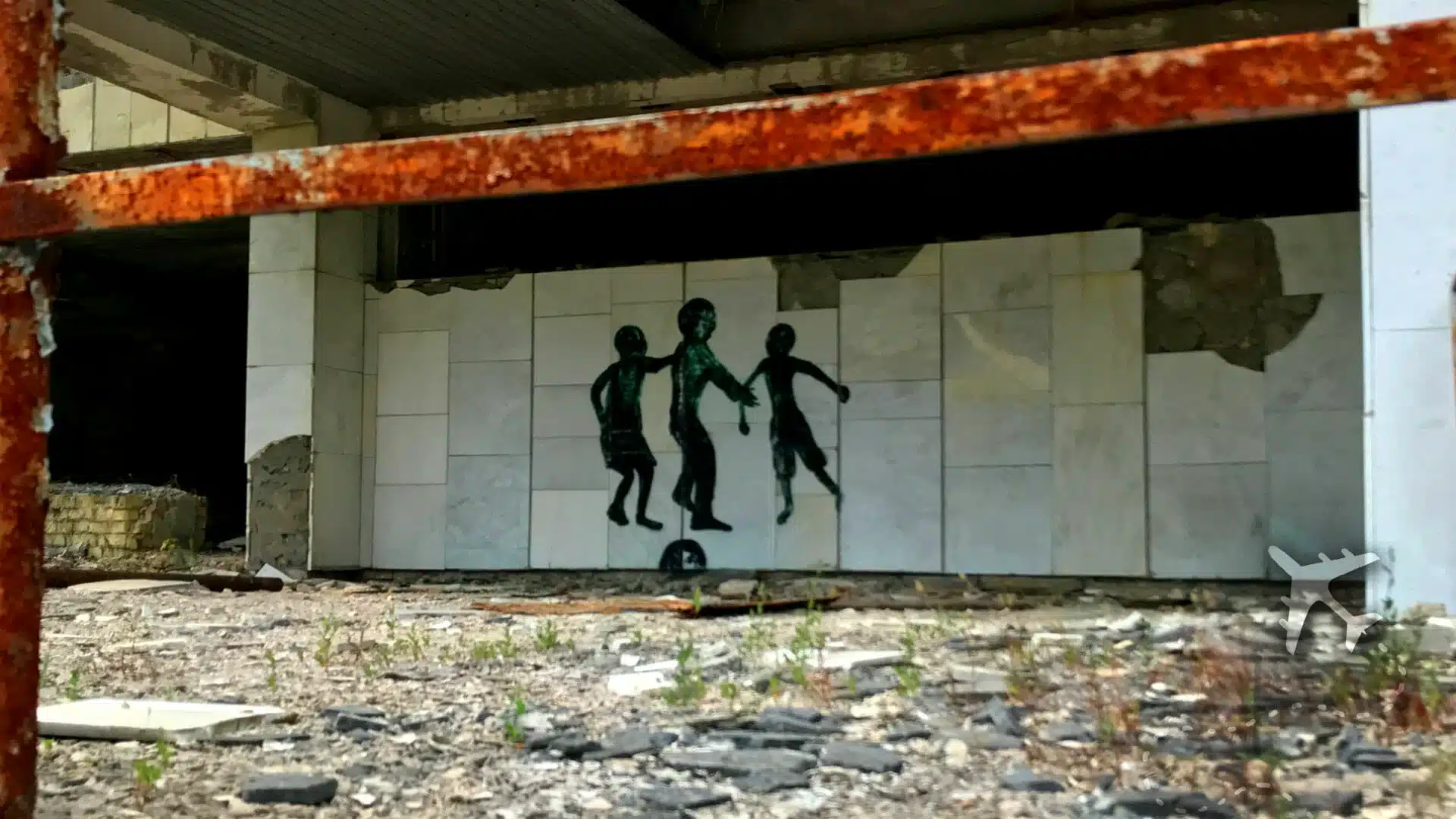
Playgrounds.
Apartment blocks.
It was the part of the disaster where the numbers stopped being numbers.
Nearly 50,000 people didn’t just “evacuate.”
They left home.
And that home stayed there without them.
THE REACTOR EXPLODED. THE CITY KEPT GOING.
This may be the most disturbing part of the story.
Reactor 4 exploded during the early morning hours of April 26.
Pripyat wasn’t immediately evacuated.
The city continued functioning while an extraordinary nuclear emergency unfolded just a few kilometers away.
People woke up.
Children went outside.
Families went about their Saturday.
From where I stood thirty-one years later, that was difficult to process.
Because I knew what they didn’t.
I knew there was radioactive material being released from a destroyed reactor nearby.
I knew firefighters and plant workers were already dealing with catastrophic radiation hazards.
I knew that Pripyat was about to become one of the world’s most famous ghost towns.
The people living there knew virtually none of that yet.
The evacuation finally began around 2:00 PM on April 27, roughly 36 hours after the accident. Buses brought in from Kyiv were used to move the population out of Pripyat.

Imagine getting on one of them.
You’re told to take what you need.
You’re leaving temporarily.
Presumably you’ll be back.
Then you look out the window as your neighborhood disappears behind you.
And you never come home.
THE REALLY FUCKED-UP PART IS HOW NORMAL EVERYTHING STILL LOOKED
Thirty’ish years later, there was obviously no functioning city left.
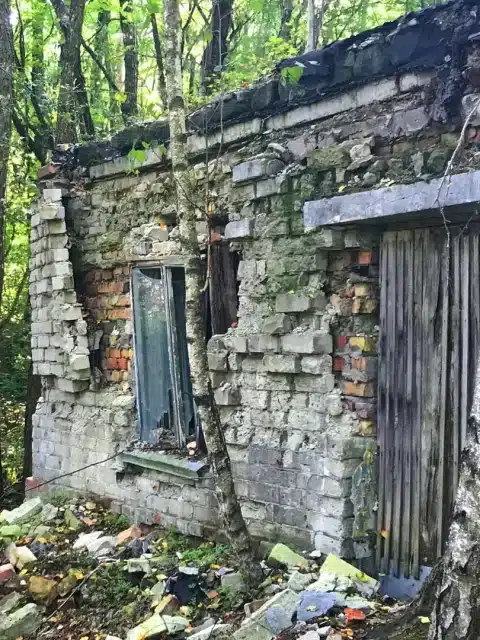
But the bones were everywhere.
Apartment towers still rose above the trees.
Schools were still there.
Stores were still there.

The hospital was still there.
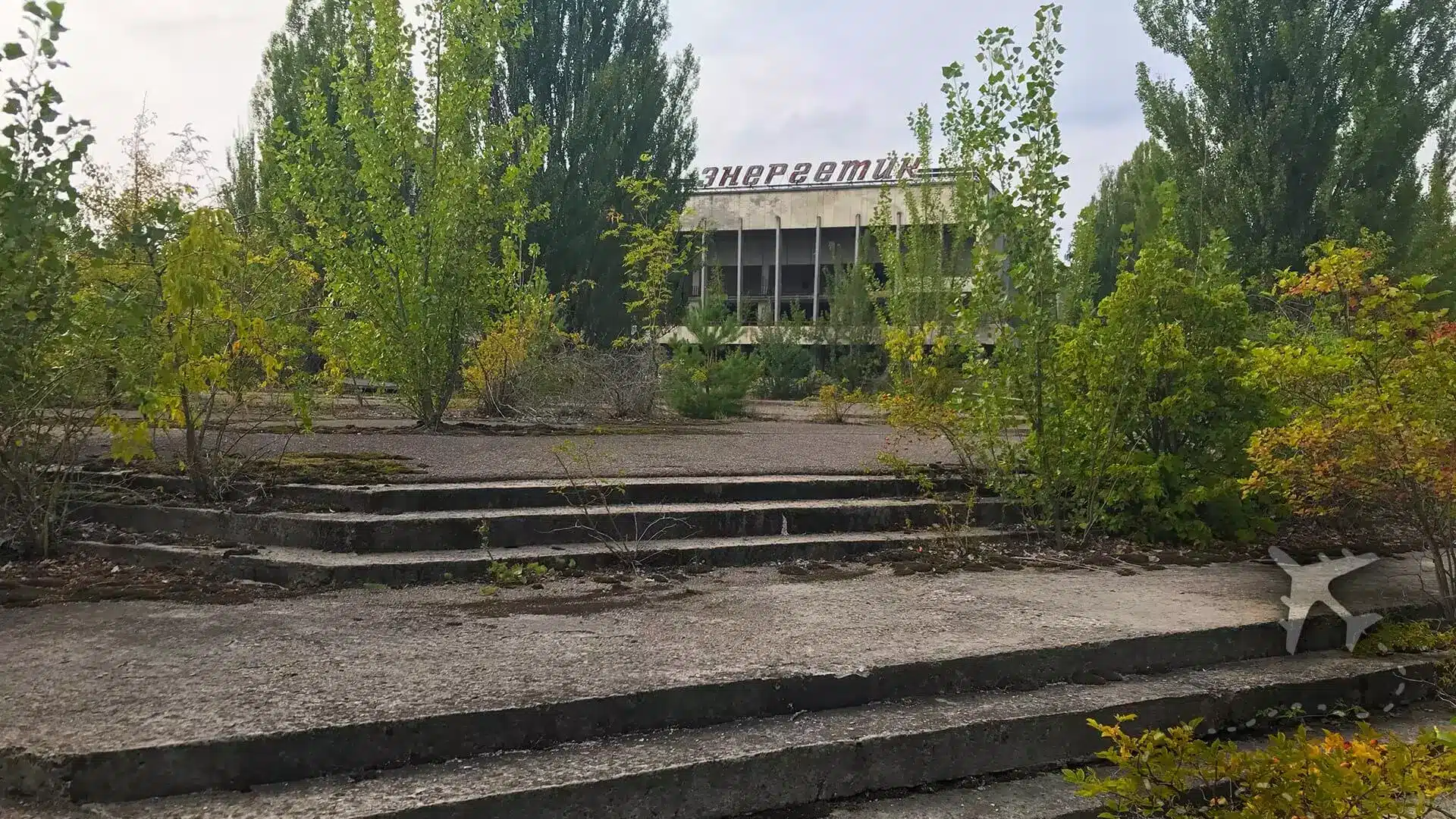
The Palace of Culture was still there.
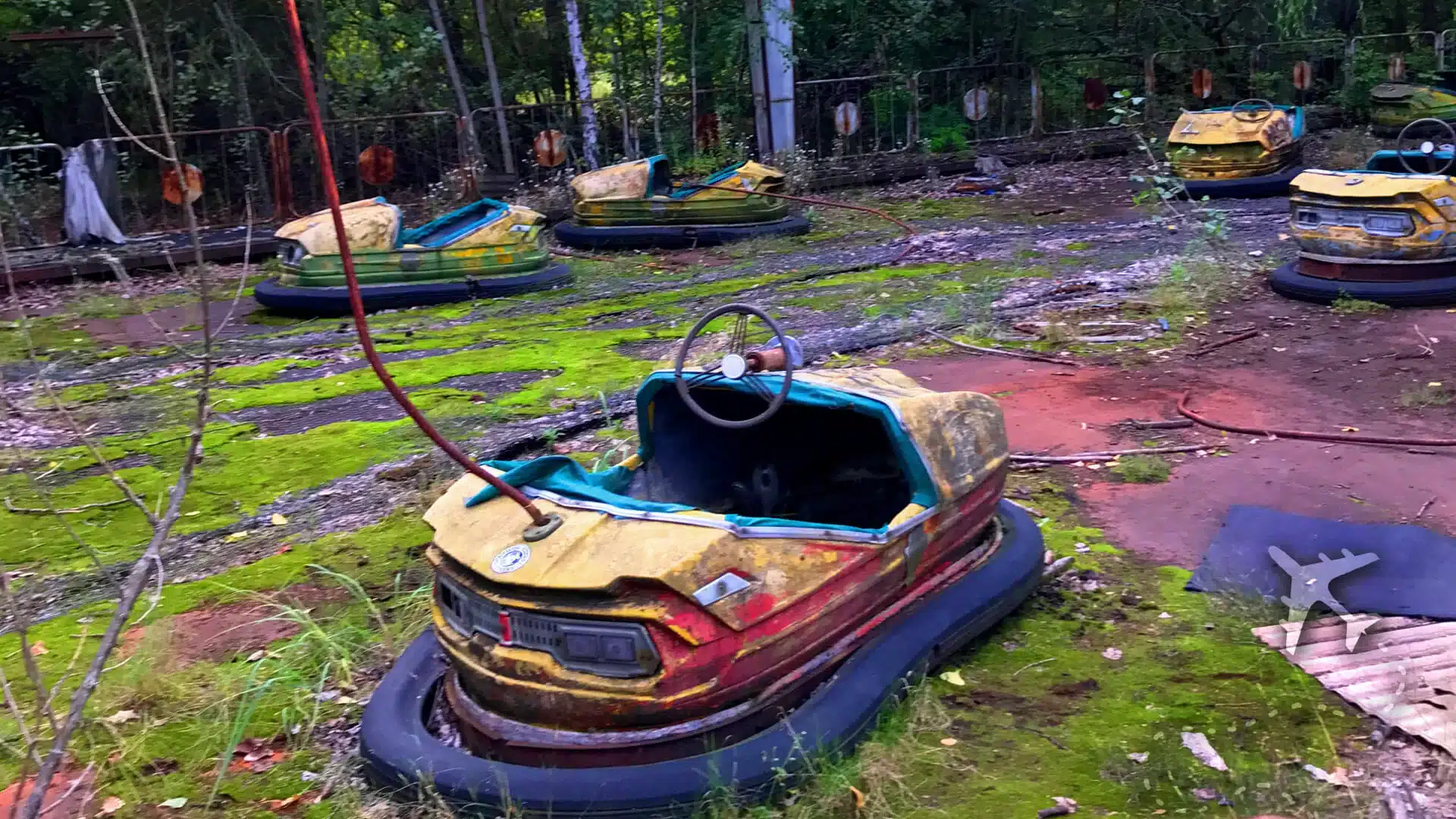
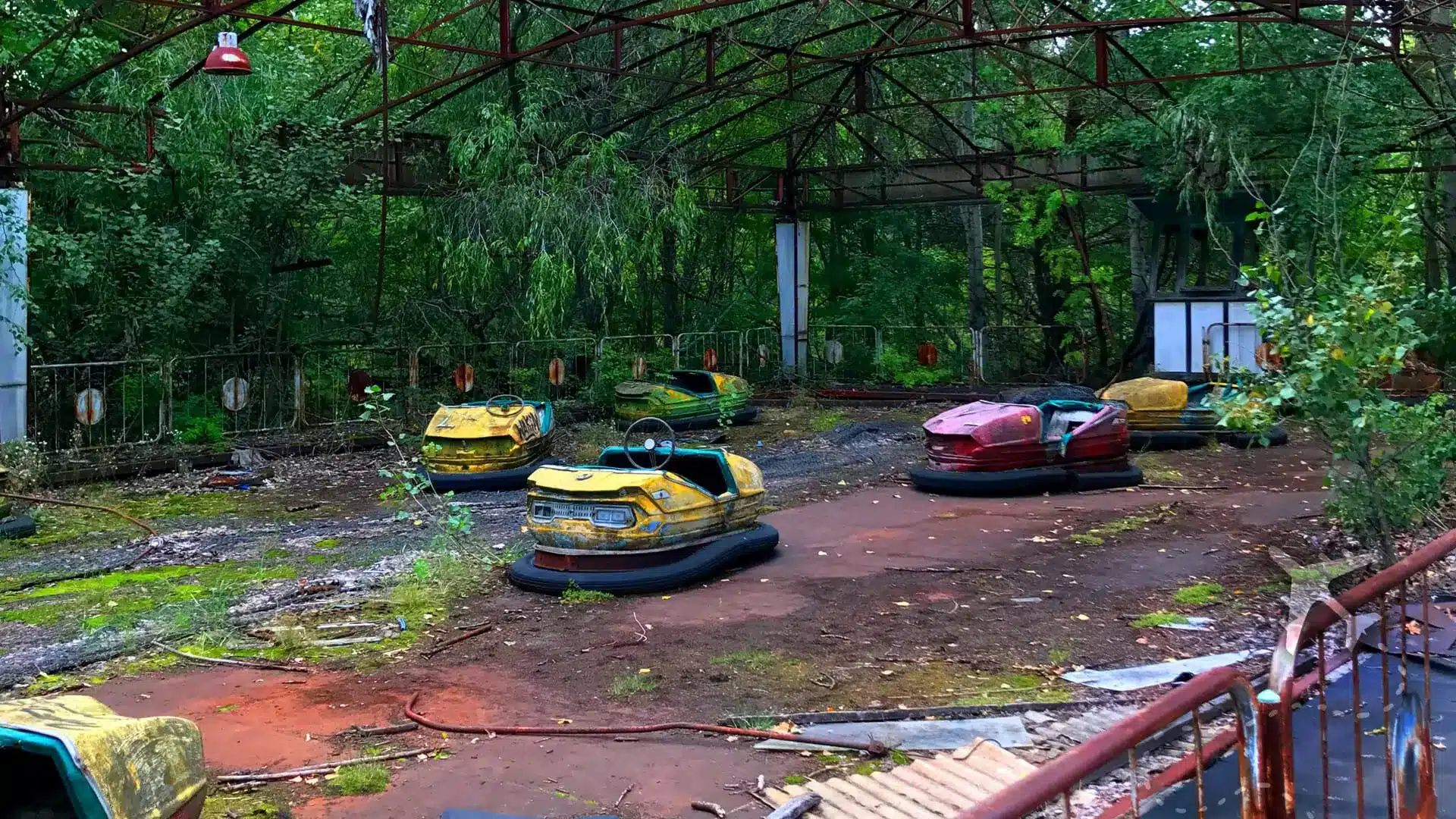
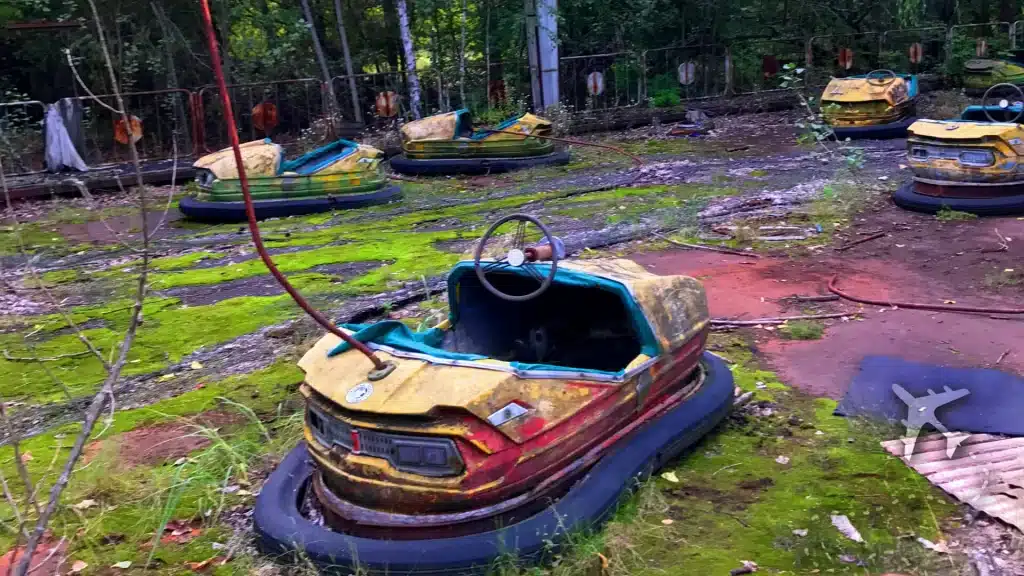
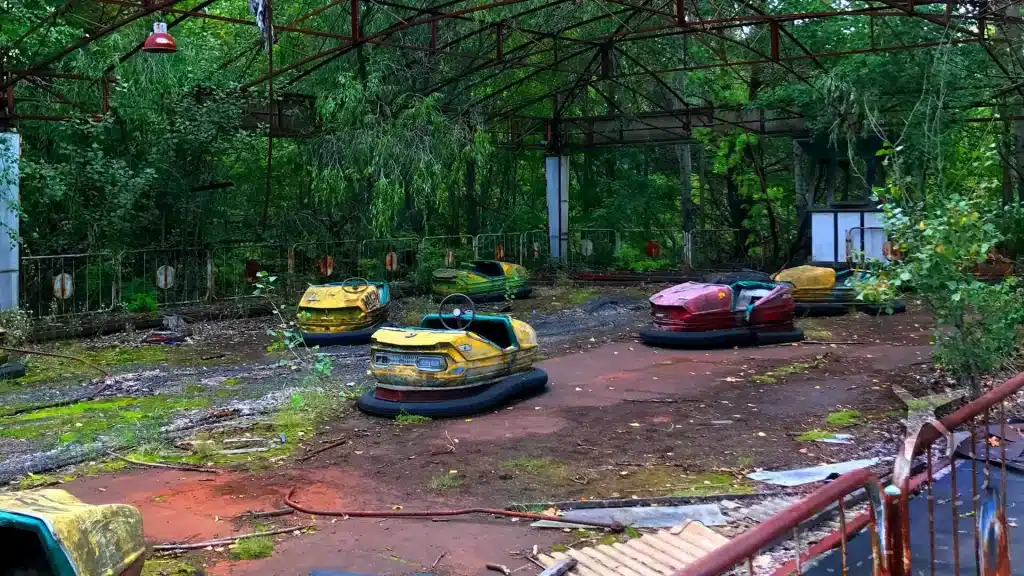
The amusement park was still there.
And Soviet symbols remained scattered everywhere, because apparently even a nuclear apocalypse couldn’t completely defeat government branding.

That normality made the place disturbing.
If Pripyat had been flattened, my brain could have categorized it as destruction.
Instead, I was walking around something that looked like a city someone had simply forgotten to turn back on.
Except nature had been holding down the fast-forward button for three decades.
NATURE HAD ALREADY DECIDED PRIPYAT WAS HERS
Visiting toward the end of summer made this especially obvious.
Pripyat isn’t a collection of abandoned buildings surrounded by empty concrete.
It’s becoming a forest with abandoned buildings inconveniently trapped inside it.
Trees were everywhere.
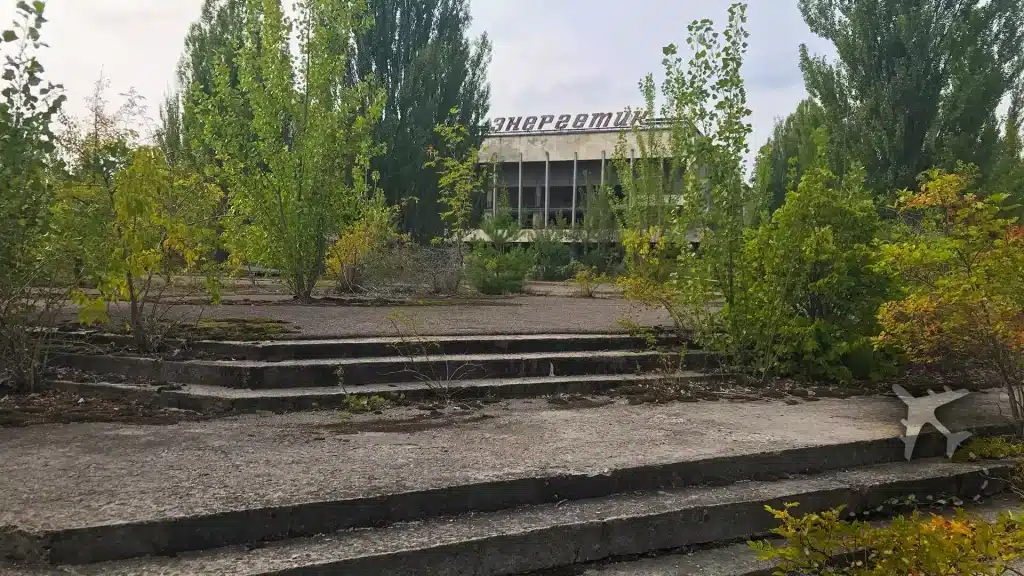
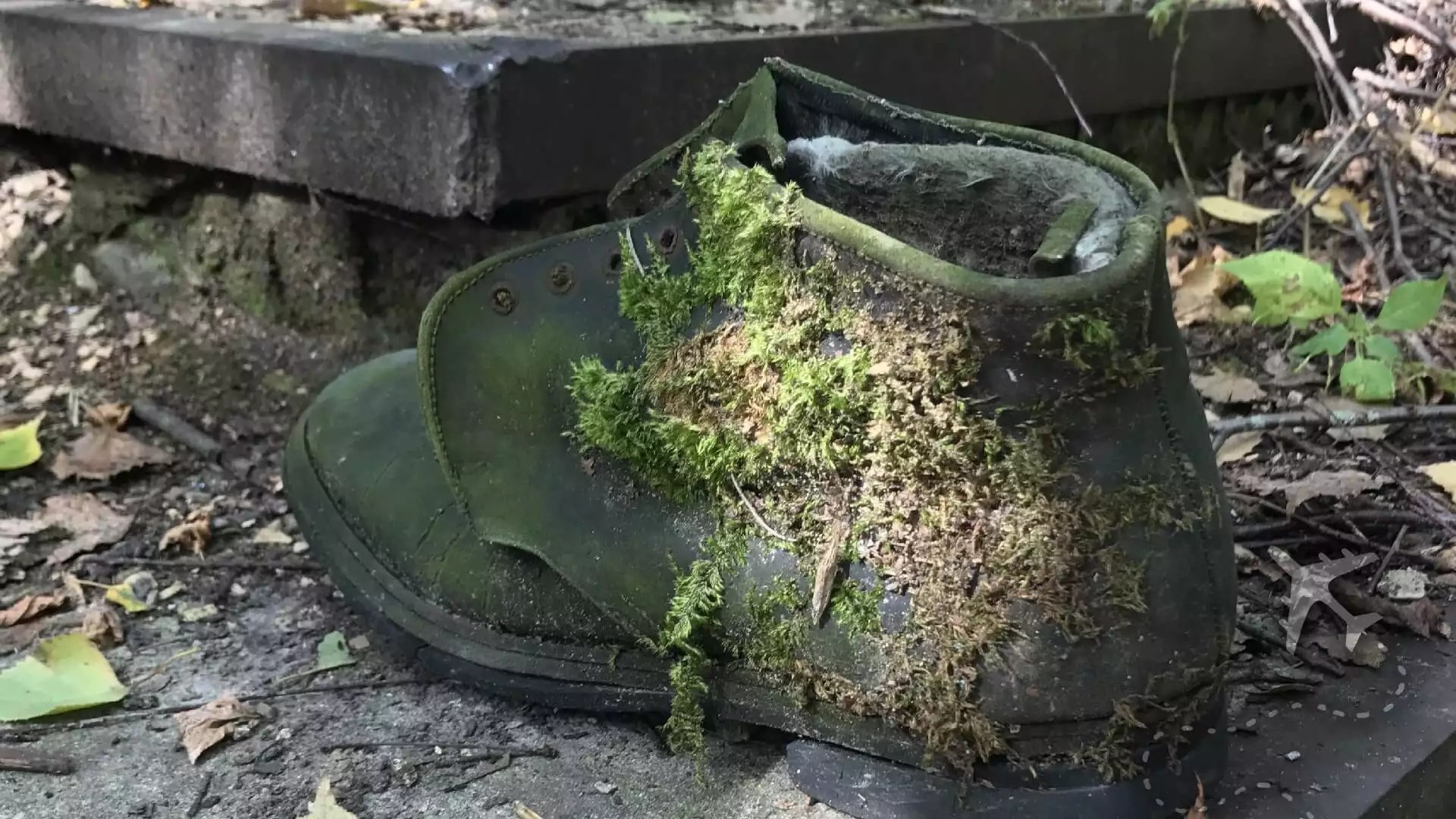
Vegetation pushed through pavement.
Roots widened cracks.
Buildings disappeared behind layers of green.
Roads that had once carried cars and buses were slowly becoming trails through the forest.
It was one of the clearest demonstrations I’ve ever seen of how temporary humans actually are.
We pour concrete.
We build roads.
We construct giant apartment buildings.
We put up monuments celebrating ourselves.
Then we leave for thirty years and trees basically say: Cute. Move.

I’ve seen the same process at other abandoned places, including Alaska’s massive Buckner Building, but nowhere I’ve visited has the scale of Pripyat.
This wasn’t one abandoned building.
This was an abandoned city.
THEN I FINALLY SAW THE PRIPYAT FERRIS WHEEL
There are certain objects you’ve seen so many times in photographs that meeting them in real life feels strangely familiar.
The Pripyat Ferris wheel was one of those for me.
If Chernobyl has a visual mascot besides Reactor 4, this is probably it.

Yellow passenger cars.
Rusting steel.
Trees growing around it.
A carnival ride standing motionless inside a radioactive ghost town.
Subtle.
The amusement park was scheduled to formally open for May Day celebrations in 1986, just days after the reactor accident changed everything.
By the time I stood there in 2017, the Ferris wheel had become something completely different.
It wasn’t really an amusement ride anymore.
It was a monument to an event nobody intended it to represent.
And naturally, after the HBO miniseries arrived two years later, approximately everyone on Earth suddenly recognized it.
THEN HBO MADE MY WEIRD VACATION MAINSTREAM
When I visited Pripyat in 2017, Chernobyl was obviously famous.
But being fascinated enough by it to actually travel into the exclusion zone still required a certain kind of personality defect.
Then HBO released Chernobyl in 2019.
Holy fucking shit.
Suddenly everybody knew Pripyat.
Everybody recognized the hospital.
Everybody recognized the apartment buildings.
Everybody recognized the amusement park.
People who had previously responded to my Chernobyl photographs with “Why the hell did you go there?” were suddenly asking questions about Dyatlov, graphite and Reactor 4.
Apparently all my questionable travel decision needed was a prestige television miniseries.
Walking around Pripyat before that happened makes my photographs particularly interesting to me now.
I wasn’t photographing movie locations.
I wasn’t checking off scenes from a television show.
I was photographing a place I’d spent years trying to understand.
Then HBO arrived and gave millions of other people the same obsession.
EVERY Building HAD A STORY I COULDN’T KNOW
That’s what made photographing Pripyat so addictive.
Every building contained remnants of a world I couldn’t reconstruct.
Every doorway created another photograph.
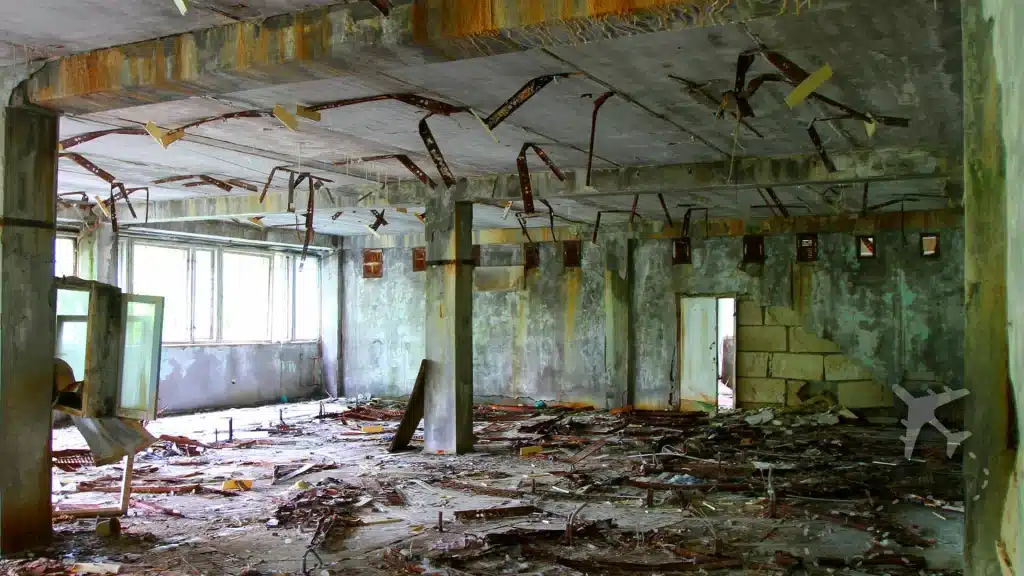
Every hallway led somewhere.
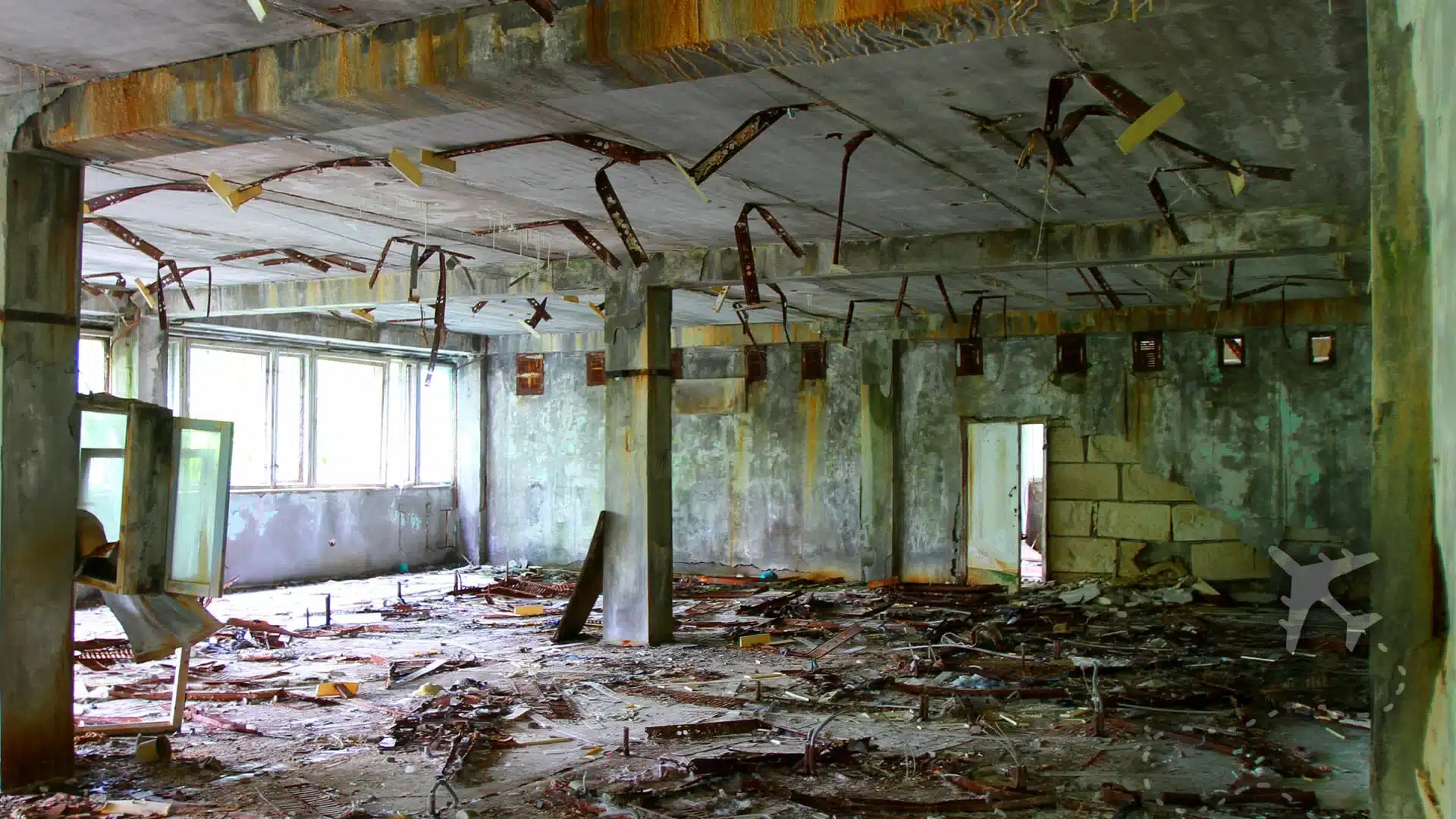
Schools still contained furniture and debris.
Stores still had signs and fixtures.
Apartment blocks contained traces of thousands of private lives.
Photography normally makes me pay attention to architecture, light, texture and composition.
Pripyat added something else: Who the hell was here last?
Who used that room?
Who looked out that window?
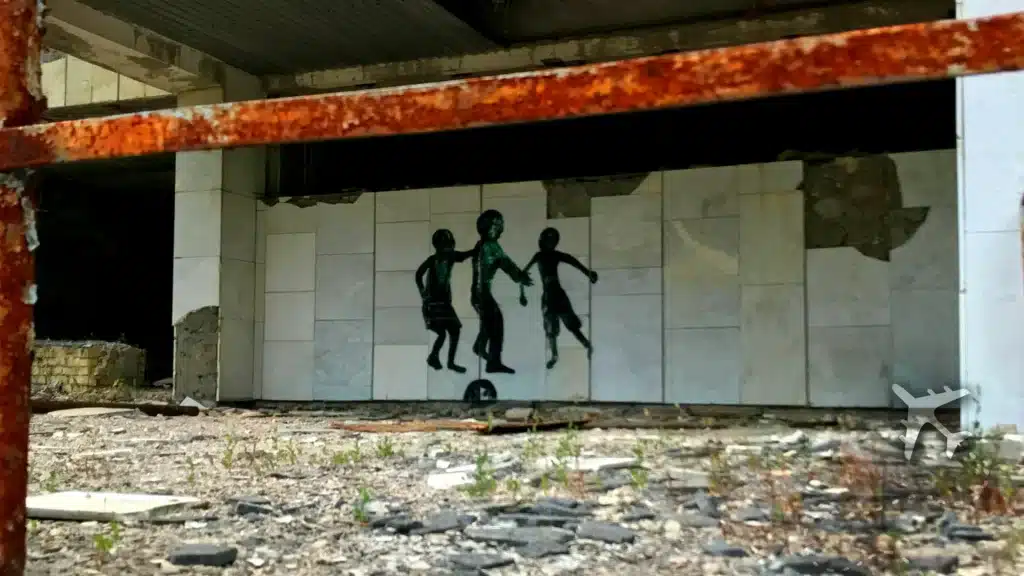
Did they understand they were leaving forever when they walked out?
Probably not.
And thirty’ish years later, some idiot from the USA was standing there photographing what remained.
History is fucking weird.
AND THEN SIMON THE FOX SHOWED UP
One of the strangest things about the Chernobyl Exclusion Zone is how much life exists inside a landscape famous for radioactive contamination.
We saw wildlife throughout the area.
Which creates a wonderfully uncomfortable contradiction.
Humans contaminated parts of the landscape badly enough that entire communities had to be evacuated.
Then humans mostly left.
Nature basically responded: Perfect. We’ll take it from here.
And apparently nature also assigned Pripyat a tourism ambassador.
Because then Simon the Fox showed up.
Not just some random fox.

Simon was already something of a Chernobyl internet celebrity, known for appearing around Pripyat and investigating visitors. Videos of encounters with him had circulated online years before my trip; one 2014 video of Simon wandering around Pripyat eventually attracted hundreds of thousands of views.
Because apparently even the Chernobyl Exclusion Zone has influencers.
He wandered over like he owned the place.
Which, realistically, he kind of did.
No glowing eyes.
No extra tails.
No mutant superpowers he was willing to demonstrate.
Just a remarkably confident red fox living inside one of humanity’s most infamous disaster zones and apparently well aware that visiting humans occasionally came equipped with food.
There was something wonderfully absurd about meeting him.
I’d traveled to Pripyat expecting abandoned Soviet buildings, radiation monitors and existential dread.
Instead I also got a meet-and-greet with Chernobyl’s internet-famous fox.
Honestly, Simon seemed to be handling the apocalypse considerably better than the rest of us.
PRIPYAT WASN’T COMPLETELY SILENT
People describe Pripyat as eerily silent.
It wasn’t.
Not really.
The forest had its own soundtrack. Birds. Wind through the trees. Branches scraping against buildings. Leaves moving across pavement that was slowly losing its battle with thirty years of roots and neglect.
And then there were the buildings themselves.

Those fuckers made noise.
Concrete cracked. Metal shifted. Doors moved. Somewhere deep inside these decaying Soviet apartment blocks, shit would creak, groan and occasionally come crashing down for reasons nobody could see.
You’d be walking along peacefully when suddenly: CRASH.
Everyone stops.
Looks toward the building.
Then looks around the group.
And naturally my friends would conclude: “Well, that’s it. Sean’s dead.”
Because when you’re wandering around a radioactive ghost town full of collapsing buildings, apparently losing me beneath several tons of Soviet concrete was considered less an emergency and more an entirely predictable conclusion to the trip.
But those random crashes also made Pripyat feel even stranger.

The city wasn’t silent.
The human city was silent.
There were no cars. No buses. No conversations coming through apartment windows. No kids yelling outside. No music. No doors slamming because someone was late for work.
Nearly 50,000 people once produced thousands of tiny sounds here every minute.
Those sounds disappeared almost overnight.
Thirty’ish years later, nature had replaced them with birds, wind, trees and the occasional collapsing chunk of Pripyat reminding everyone that gravity was still working perfectly fucking fine.
YES, PRIPYAT WAS STILL RADIOACTIVE WHEN I VISITED
Obviously.
That’s why it was inside the Chernobyl Exclusion Zone.
But one thing I’d misunderstood before going was the idea that radiation somehow exists as one uniform invisible blanket over the entire region.
It doesn’t.
Contamination varies significantly from place to place.
Some locations had relatively unremarkable readings.
Other areas were radioactive hotspots.
Our guides knew where those places were, and we followed controlled routes through the zone.
We wore long pants and appropriate clothing.
We went through checkpoints.
Radiation monitoring was part of the experience.

What we didn’t do was wander around independently touching random objects because we’d apparently survived childhood and wanted to keep the streak going.
So was Pripyat safe to visit when I went in 2017?
For a controlled, limited visit following the rules, that was the entire premise of the organized tours operating at the time.
That doesn’t mean Pripyat had magically become safe.
It means exposure could be managed by controlling where you went and how long you stayed.
Those are very different statements.
My 2017 visit also shouldn’t be confused with current travel advice. The exclusion zone’s circumstances changed dramatically after Russia’s invasion of Ukraine, so the tourist access I experienced belongs to a specific pre-war period.
NO, I WASN’T SUPPOSED TO BE CLIMBING THROUGH EVERY ABANDONED BUILDING
There was another danger in Pripyat that required considerably less nuclear physics to understand.
The buildings were falling apart.
Thirty’ish years without meaningful maintenance had not improved Soviet construction.
Floors deteriorated.
Concrete cracked.
Windows disappeared.

Water got inside.
Nature kept applying for ownership.
The temptation when photographing somewhere like Pripyat is obvious.
Every building looks interesting.
Every dark hallway says: Come see what’s back here.
Unfortunately, buildings do not become structurally safer simply because they would make an excellent Instagram photograph.
Access rules also changed over the years, and many locations visitors entered in earlier eras eventually became restricted because of structural hazards.
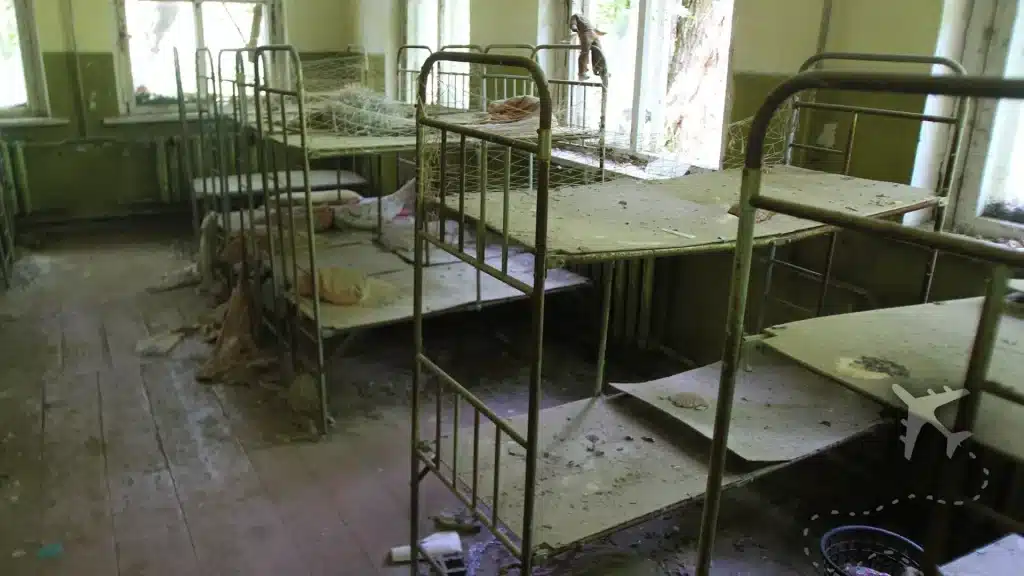
Sometimes radiation wasn’t the thing most likely to ruin your afternoon.
Gravity was.
THEN WE FOUND SOMETHING EVEN MORE RIDICULOUS IN THE FOREST
Pripyat was the abandoned Soviet city I expected.
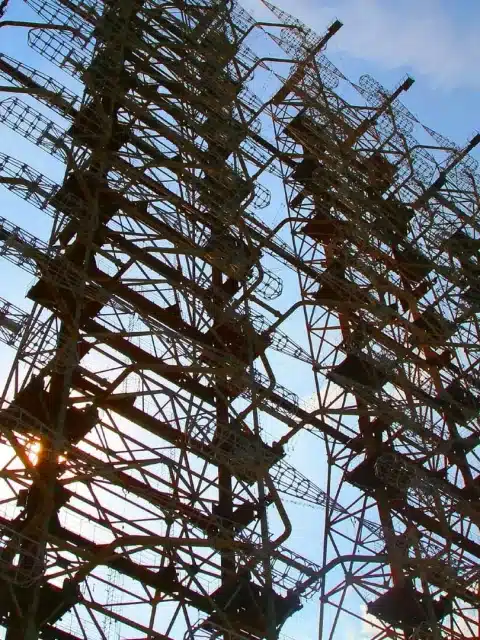
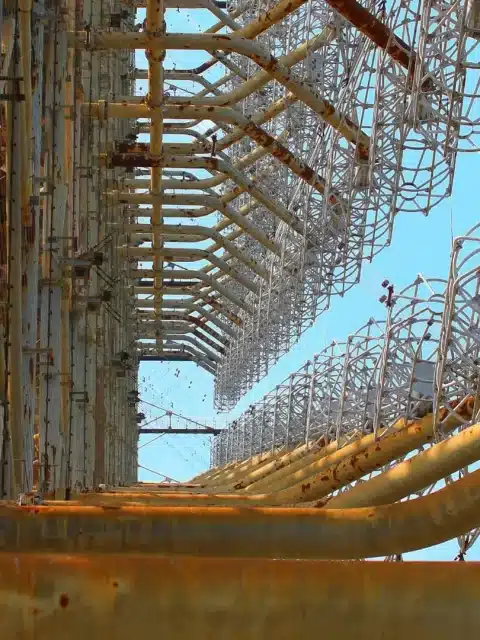
Duga Radar was the thing I absolutely didn’t.

Not far away, hidden among the forests of the exclusion zone, the Soviet Union had built an enormous over-the-horizon radar system associated with early warning for missile launches.
I went to Chernobyl expecting Reactor 4 and Pripyat.
Then somebody apparently said: Would you also like to see the world’s largest fucking antenna?
Yes.
Obviously.
Duga was visually more spectacular than almost anything else I saw during the trip.
But Pripyat affected me more.
Because antennas don’t have families.
Cities do.
THIS IS WHY DARK TOURISM MATTERS TO ME
It’s easy to make dark tourism sound creepy.
And sometimes it absolutely is.
But places like Pripyat are why I’m drawn to it.
Reading that nearly 50,000 people were evacuated is a statistic.

Walking past apartment tower after apartment tower turns that statistic into something your brain can understand.
Reading that residents were told they were leaving temporarily is history.
Standing inside the city they never returned to changes it.
I’ve experienced versions of that feeling elsewhere.
At Three Mile Island, the physical location made America’s most famous nuclear accident more tangible.
At the Buckner Building, an enormous structure that once represented military permanence is now being reclaimed by Alaska.
But Pripyat operates at an entirely different scale.
An entire city became a historical artifact.
THE FERRIS WHEEL ISN’T WHY PRIPYAT MATTERS
The Ferris wheel gets the photographs.
The hospital gets the horror stories.
The swimming pool gets the eerie architectural shots.
Simon gets the internet.
But none of those things individually explain why Pripyat stayed with me.
It was the accumulation.
Apartment after apartment.
School after school.
Building after building.
Road after road.

Evidence of tens of thousands of perfectly ordinary lives interrupted because something extraordinary happened a few kilometers away.
The Chernobyl Nuclear Power Plant tells the story of a reactor disaster.
Pripyat tells the story of the bill coming due.
I GOT TO LEAVE PRIPYAT. THAT’S WHAT MADE IT DIFFERENT.
Eventually, our visit ended.
We got back into our transportation.
We went through radiation monitoring.
And we left.
That part wasn’t lost on me.
I had arrived voluntarily.

I photographed the city.
I explored some of the most recognizable remains.
I met an internet-famous fox.
Then I got to leave knowing where I was going next.
The people who boarded buses on April 27, 1986 didn’t have that luxury.
They didn’t know they were seeing their city for the last time.
That’s ultimately what separated my experience from theirs.
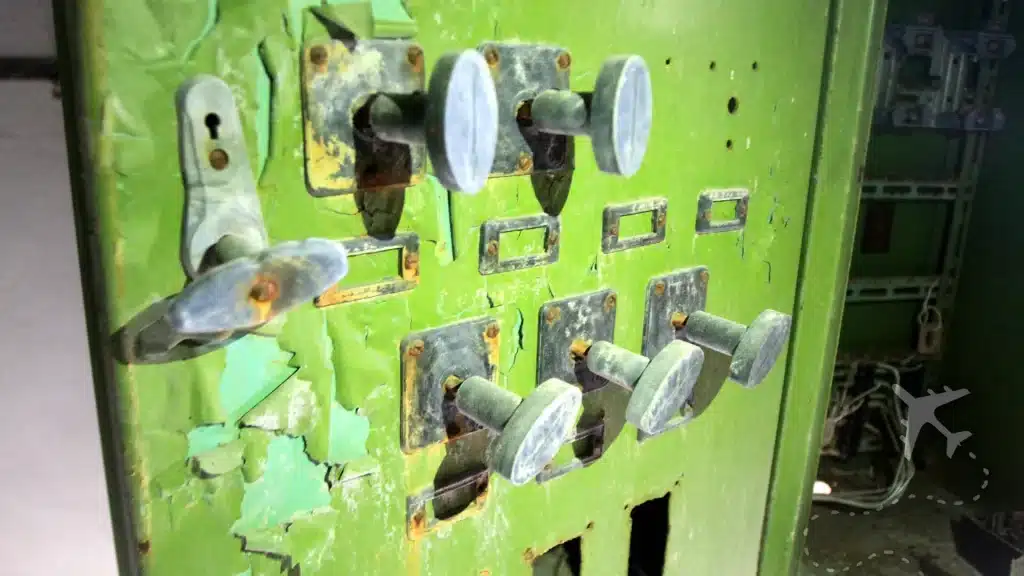
For me, Pripyat was one of the most fascinating places I’d ever photographed.
For them, it was home.
And no amount of rusting Ferris wheels, collapsing buildings, HBO dramatizations or sarcastic commentary changes that.
Reactor 4 exploded once.
Pripyat has been living with the consequences ever since.