

Everyone flies to Easter Island expecting the Moai.
And they should. Standing face-to-face with nearly 1,000 massive stone ancestors scattered across one of the most isolated islands on Earth is every bit as surreal as you’ve imagined. But here’s the part almost nobody talks about.
Wait until the sun goes down.
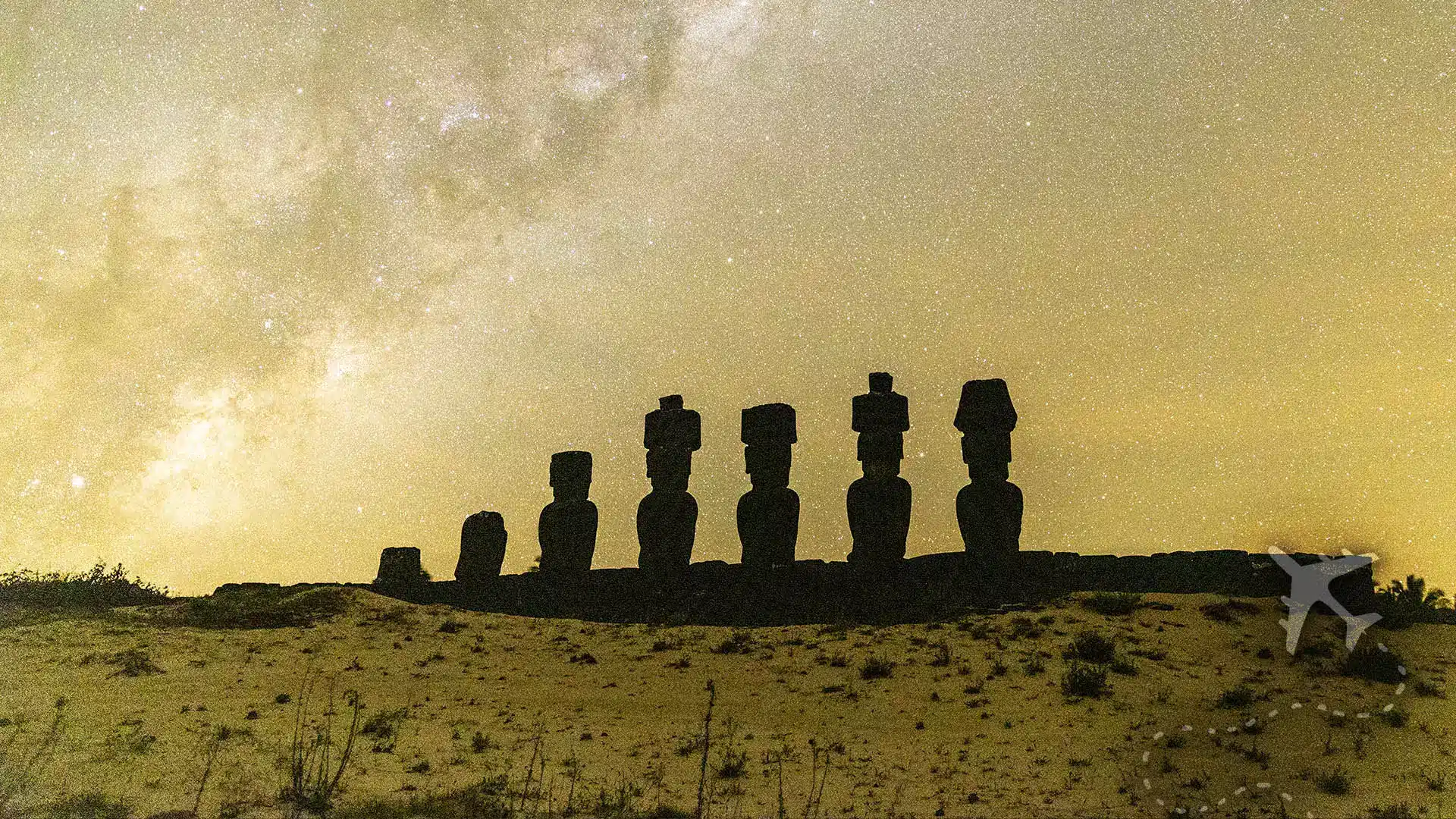
Long after the tour buses have disappeared back to Hanga Roa and the last cruise passengers have boarded their ships, Easter Island transforms into something entirely different. The statues fade into black silhouettes. The wind is the only sound. Then the sky explodes.
Not metaphorically.
Actually explodes.
I’ve seen the Milky Way from deserts, volcanoes, mountain summits, and remote islands across the world. Easter Island belongs in that elite category where you stop taking photos, stop talking, and simply stand there with your mouth hanging open like an idiot. It is one of those rare places where the universe reminds you just how ridiculously small you are.
And honestly?
That’s part of the magic.
DESTINATION: Stargazing on Easter Island
GPS COORDINATES
-27.0763, -109.3230
CLOSEST AIRPORT
CURRENT WEATHER
overcast clouds (66F / 19C)

AIR QUALITY INDEX (AQI)
Moderate (62)
The Middle of Absolutely Nowhere Has Its Perks
Getting to Easter Island is an adventure all by itself.
Located more than 2,000 miles west of mainland Chile, Rapa Nui is one of the most isolated inhabited islands on Earth. There are no neighboring cities throwing light into the atmosphere. No sprawling highways. No glowing skylines creeping over the horizon.
Just an endless Pacific Ocean stretching in every direction.
That isolation is exactly why the night skies here are phenomenal.
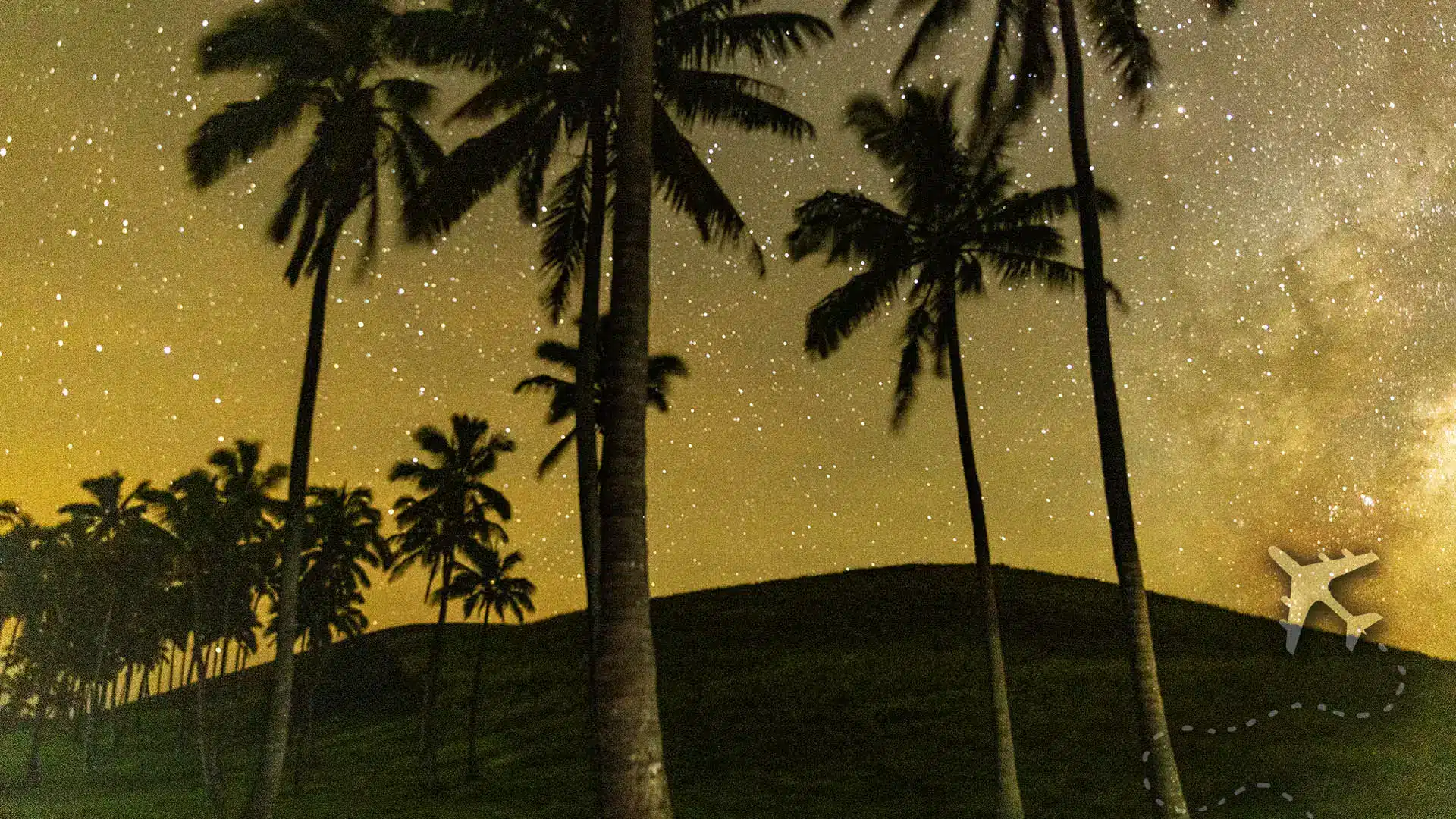
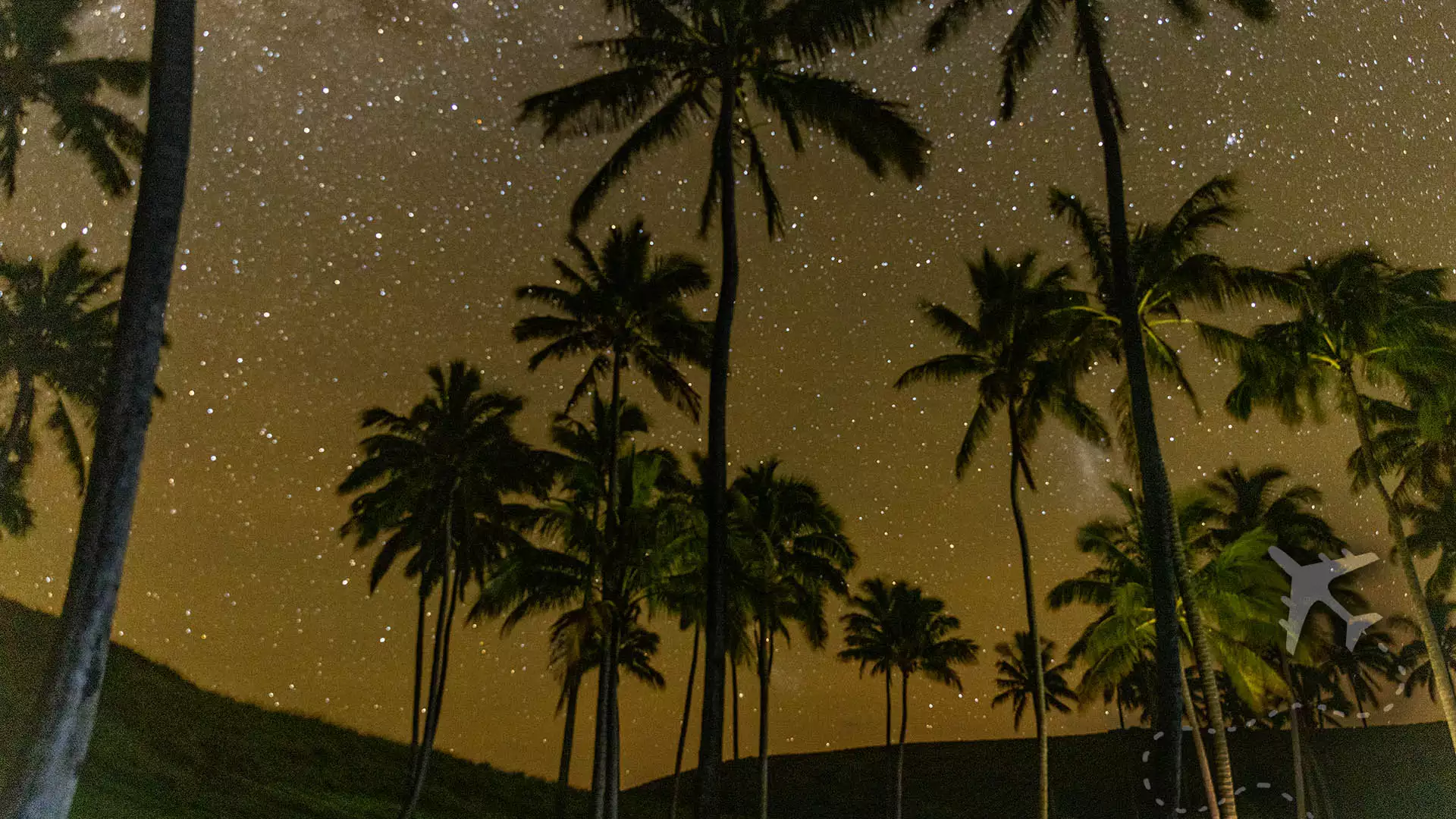
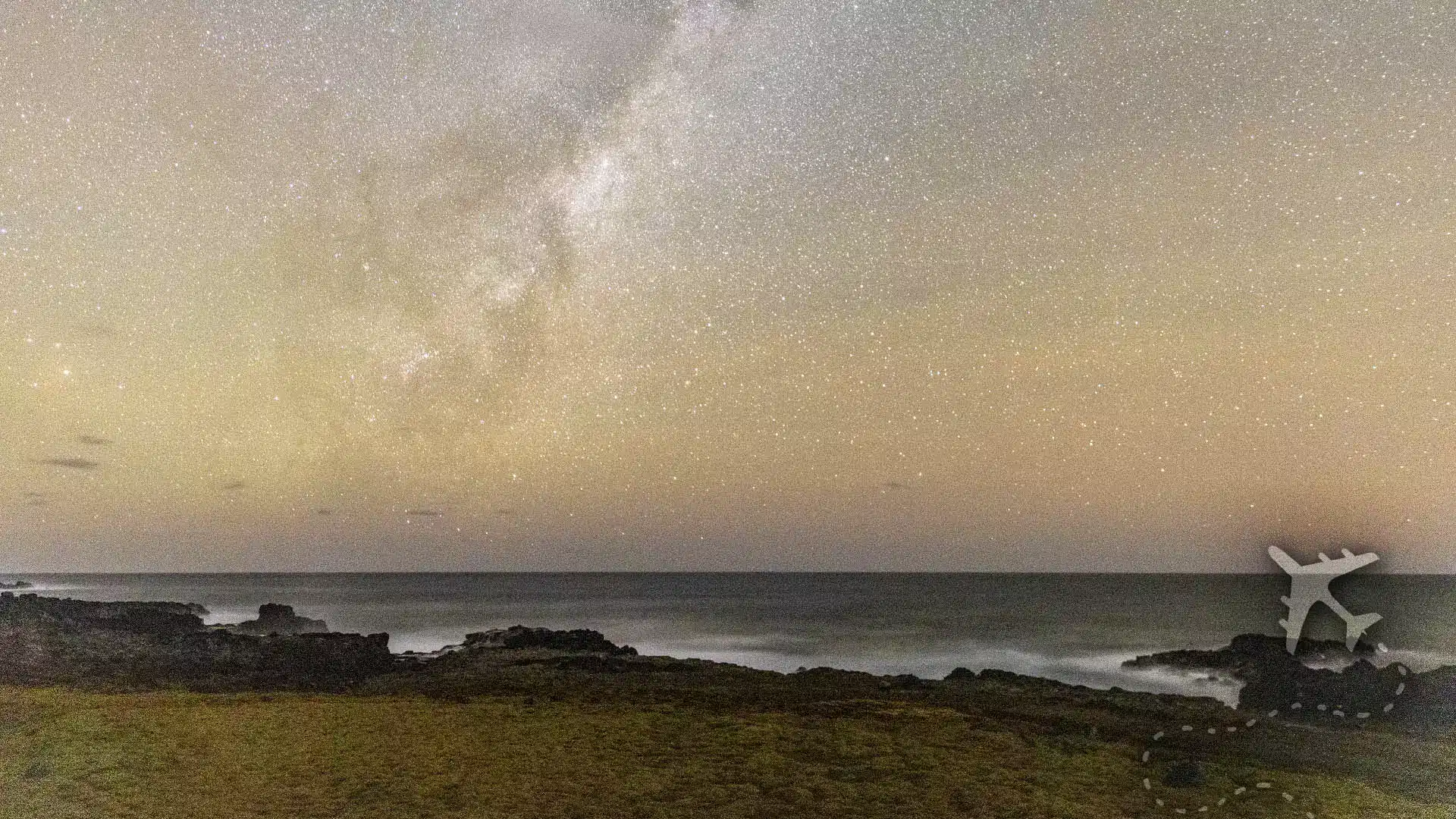
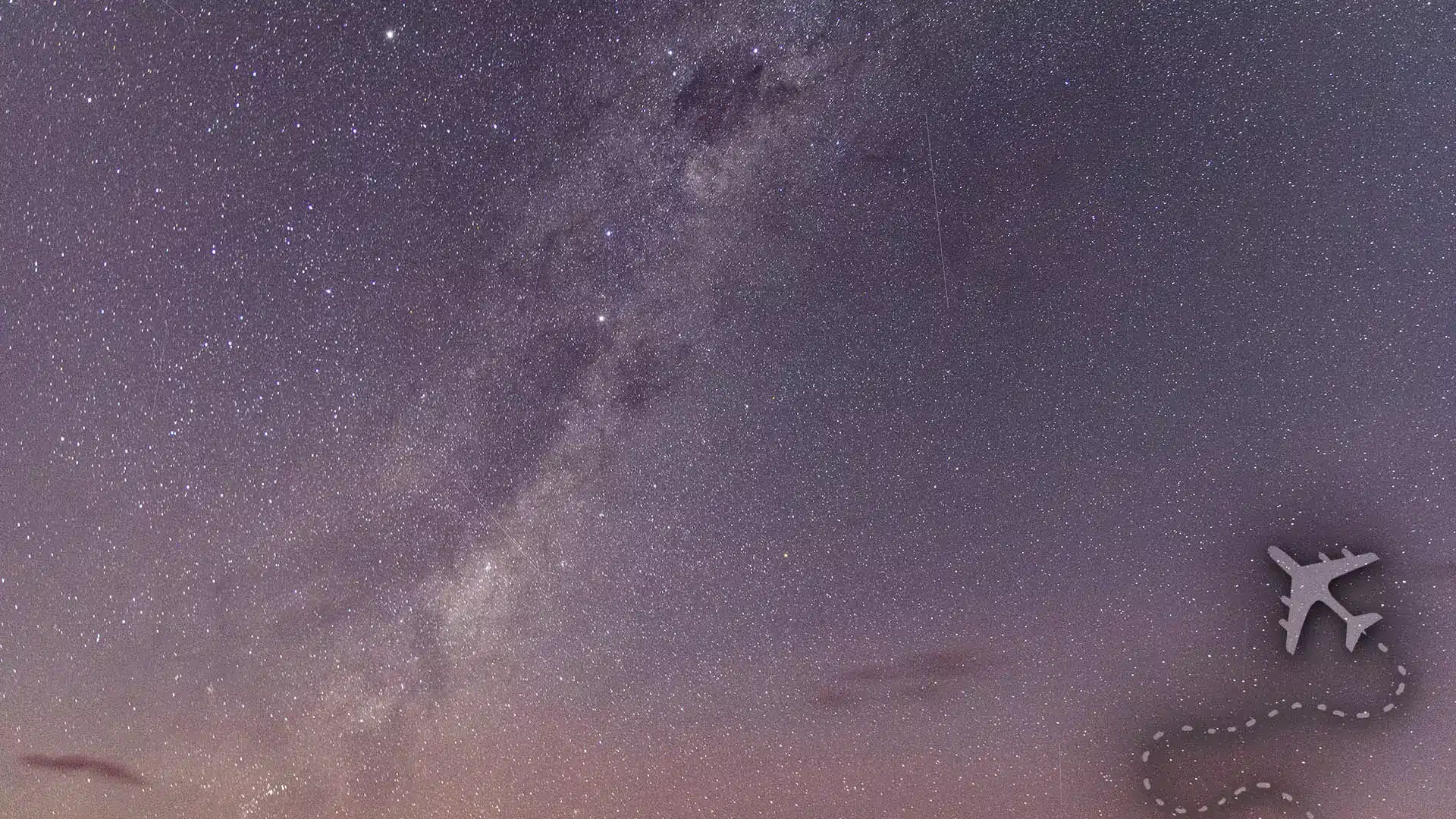
On a clear, moonless night, the Milky Way doesn’t gently appear overhead. It dominates the sky from horizon to horizon, bright enough to cast faint shadows across the volcanic landscape. Thousands upon thousands of stars emerge that simply don’t exist from most cities. Constellations become almost impossible to separate because there are so many stars filling the darkness between them.
If you grew up in North America or Europe, you’ll also get a front-row seat to Southern Hemisphere skies. The Southern Cross hangs overhead while unfamiliar constellations replace the ones you’ve spent your life recognizing.
It’s like someone quietly swapped out the ceiling of the universe.
The Ancient Rapa Nui Were Looking Up Long Before Tourists Were
While most visitors focus on the engineering behind the Moai, the people who built them were also exceptional navigators.
The ancestors of the Rapa Nui crossed thousands of miles of open Pacific Ocean centuries before GPS, radar, or even a compass entered the conversation. Their navigation relied on an extraordinary understanding of the stars, ocean swells, winds, and seasonal patterns.
The night sky wasn’t entertainment.
It was survival.
Researchers continue to study possible astronomical alignments across the island. Certain ceremonial platforms, or ahu, appear connected to solar events like the solstices, while oral traditions reference celestial knowledge that shaped ritual life and navigation. Although not every claimed alignment has been conclusively proven, there’s little doubt that astronomy played a significant role in Rapa Nui culture.
Standing beside a 30-foot-tall Moai beneath the same stars those navigators once trusted creates a connection that’s difficult to describe.
History suddenly doesn’t feel very old.
The Moai at Night Hit Different
The Moai are impressive during the day.
At night, they’re something else entirely.
Without crowds, bright sunshine, or tour guides rattling off statistics, the statues become silhouettes standing against an impossibly crowded sky. Their massive forms disappear into darkness except for the faint outlines created by starlight.
It’s quiet.
Almost uncomfortably quiet.
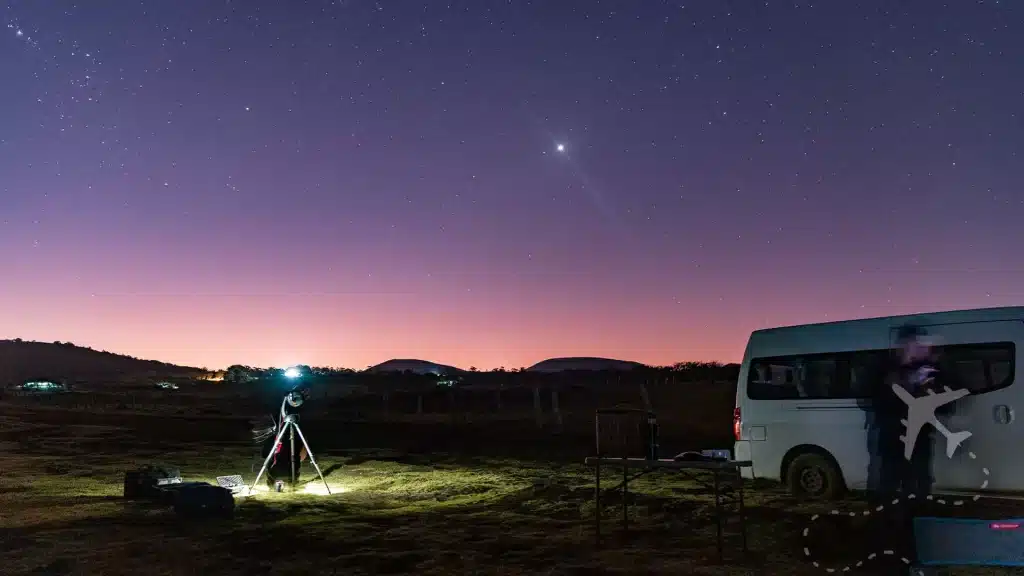
The kind of silence where you become aware of every gust of wind and every crashing wave somewhere beyond the darkness.
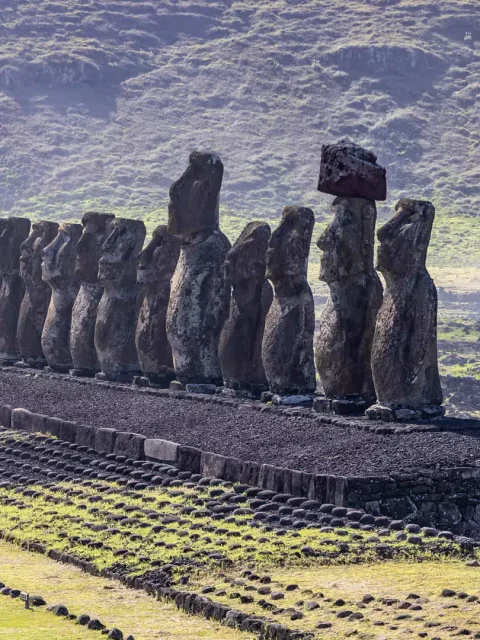
Whether you’re standing at Ahu Tongariki with fifteen giants lined up along the coast, overlooking the cliffs near Tahai, or sitting alone beside one of the island’s lesser-known archaeological sites, there’s an atmosphere that simply doesn’t exist during daylight hours.
It feels less like visiting an archaeological site and more like accidentally wandering into another world.
Where to Experience the Best Night Skies
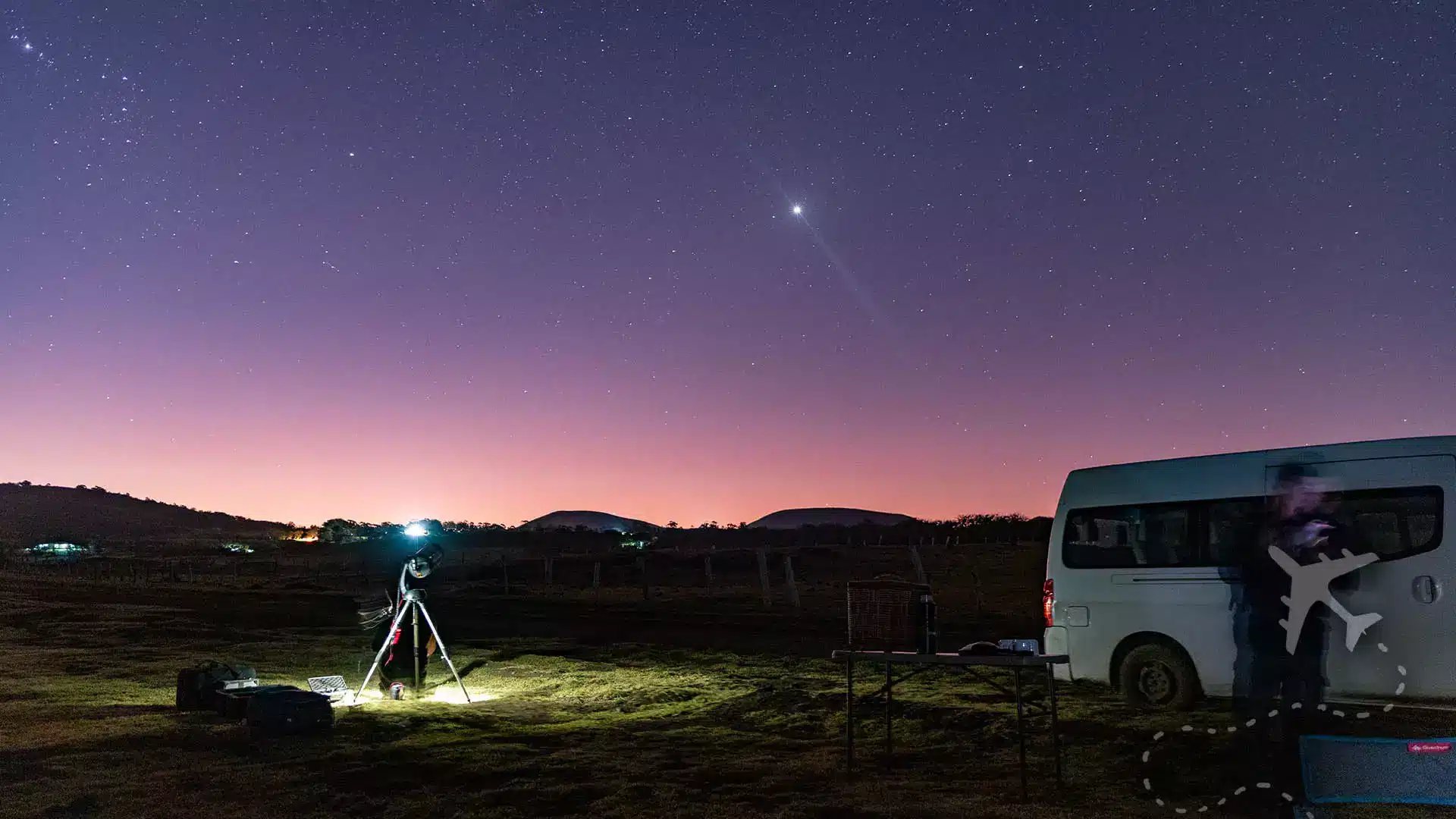
The beauty of Easter Island is that you don’t have to drive very far to escape civilization.
Hanga Roa is the island’s only real town, and while it’s hardly Times Square, even its modest lighting can wash out the faintest stars.
Once you get just a few miles outside town, the difference is dramatic.

Some of the island’s best locations include:
- Ahu Tongariki, where the island’s largest line of Moai creates one of the most unforgettable silhouettes anywhere on Earth.
- Tahai, which combines easy access with spectacular western skies and iconic statues overlooking the ocean.
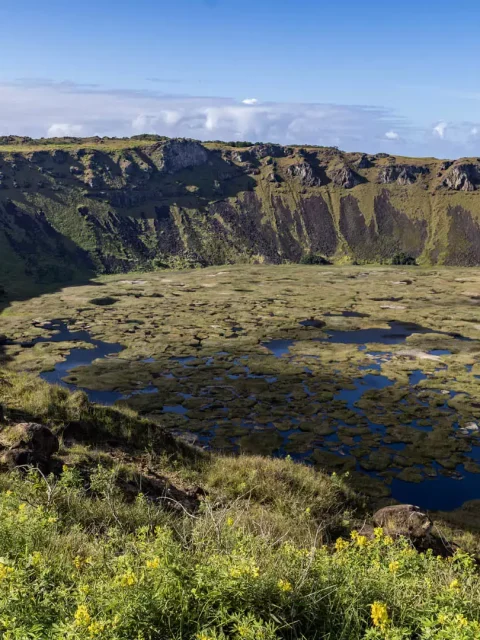
- Rano Raraku, the volcanic quarry where hundreds of unfinished Moai still rest on the slopes, creating one of the eeriest landscapes imaginable after dark.
- Virtually any quiet coastal road away from Hanga Roa, where the absence of artificial light allows the sky to take center stage.
No matter where you go, always respect archaeological boundaries and remain on designated paths. These aren’t movie sets. They’re sacred cultural sites that deserve the same respect after sunset as they do during the day.
Timing Makes All the Difference
Not every night delivers the same show.
If you’re planning your trip specifically for stargazing, try to visit around the new moon. A bright full moon can wash out much of the Milky Way, while moonless nights reveal astonishing detail across the sky.
Cloud cover changes quickly on the island, so don’t panic if conditions look questionable at sunset. I’ve watched gray skies completely clear within an hour, revealing some of the best night skies imaginable.
Patience pays off.
Bring a jacket, too. Even in the warmer months, the ocean breeze can make standing outside for hours surprisingly chilly.
The Best Souvenir You’ll Bring Home
You won’t remember every Moai.
I know that sounds almost sacrilegious, but after several days, the archaeological sites begin blending together.
What you’ll remember is standing beneath a sky so impossibly full of stars that your brain struggles to process it.
You’ll remember the silence.
The wind.
The feeling that you’re sharing the exact same night sky with generations of Polynesian navigators who crossed an ocean using nothing more than the stars overhead.
That’s the version of Easter Island that stays with you.
The statues may have put Rapa Nui on the map.
But after dark, it’s the sky that steals the show.