


Another day on Easter Island meant another perfectly reasonable opportunity to melt my camera’s memory cards taking jillions of photos of giant stone dudes staring silently into the distance.
At this point in my trip, the moai had basically become neighbors.
Drive down a road? Moai.
Walk across a field? Moai.
Visit the volcanic quarry at Rano Raraku, where hundreds of these magnificent bastards were carved? Obviously, moai everywhere.
So naturally, when Easter Island decided to show me its version of a beach, there were moai there too.
DESTINATION: ANAKENA BEACH
GPS COORDINATES
-27.0740, -109.3230
CLOSEST AIRPORT
CURRENT WEATHER
overcast clouds (68F / 20C)

AIR QUALITY INDEX (AQI)
Moderate (64)
Wait. Easter Island Has a Beach?
Technically, Easter Island has coastline everywhere.
This is how islands work.
What it doesn’t have much of is the traditional tropical beach situation involving soft sand, palm trees, calm turquoise water, and somewhere reasonably comfortable to plant your ass.
Rapa Nui was built by volcanoes, and volcanic islands generally specialize in dramatic cliffs, lava rock, rugged coastline, and other surfaces that punish bare feet.
Then there’s Anakena.

Anakena is the island’s main proper sandy beach and easily its most famous, sitting along the northern coast of Easter Island looking suspiciously like someone accidentally pasted a little piece of Polynesian paradise onto a volcanic rock in the middle of the Pacific.
There’s pale sand.
Palm trees.
Bright blue water.
And, because this is Easter Island, a bunch of fucking moai standing behind it.
Of course there are.
Apparently the Beach Needed Moai
A short walk back from the sand sits Ahu Nau Nau, one of Easter Island’s beautifully preserved ceremonial platforms, with several moai lined up overlooking the area.
Nearby is Ahu Ature Huki, with another solitary moai.
Because apparently one collection of giant stone ancestors wasn’t enough beachfront decoration.
After spending days exploring Easter Island, you start becoming dangerously accustomed to seeing moai.
That’s a weird sentence to write.
The first time you see one, you’re standing there thinking: HOLY SHIT. I’M ACTUALLY ON EASTER ISLAND LOOKING AT A MOAI.
Twenty-seven statues later, your brain starts going: “Oh cool. More moai.”
Then Anakena throws them onto a tropical beach and suddenly your brain starts functioning again.

Because the combination is completely ridiculous.
You’ve got palm trees blowing in the breeze, people swimming in turquoise water, sand between your toes and giant stone statues standing a few hundred feet away looking like they’ve been silently judging humanity’s beach behavior for centuries.
It’s one of those scenes that shouldn’t really work.
Yet somehow it does.
Spectacularly.
Why Anakena Beach Actually Matters
Anakena isn’t just where Easter Island keeps its sand.
According to Rapa Nui tradition, this area is associated with Hotu Matu’a, the legendary first Polynesian king who arrived with his people and established the civilization that would eventually create the culture we’re all flying thousands of miles across the Pacific to see.
So this relatively small beach occupies a pretty damn important place in the island’s story.
And that’s something I loved about Easter Island.
There are places where history is conveniently contained inside museums behind glass with little plaques telling you what you’re supposed to find interesting.
Rapa Nui doesn’t really work that way.
The history is just… everywhere.

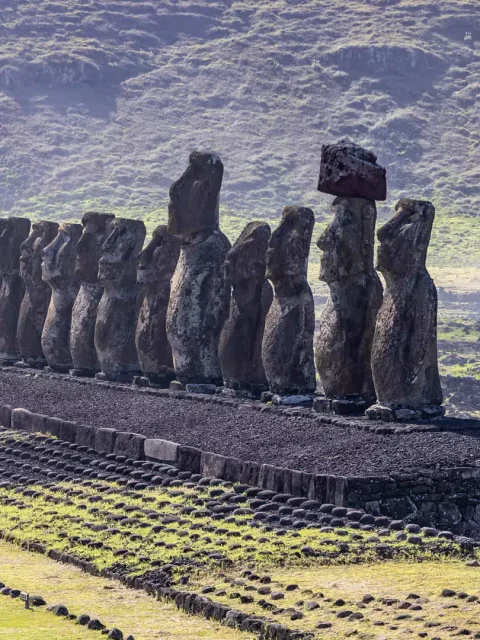
At Ahu Tongariki, fifteen moai stand shoulder-to-shoulder on the island’s largest ceremonial platform.
At Rano Raraku, you can walk through the volcanic quarry where most of the island’s moai were carved, including unfinished statues that never completed their journey.
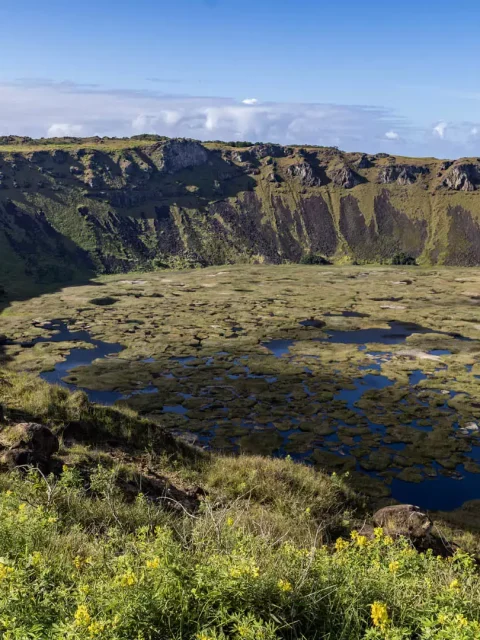
At Rano Kau, you’re staring into one of the enormous volcanic craters that helped create this weird little island in the first place.
And at Anakena?
You can go swimming.
History apparently needed a beach day.
Yes, You Can Actually Swim Here
Anakena isn’t one of those destinations where travel websites call something a “beach” because technically water touches land.
This is an actual usable beach.
You can swim.
You can lie on the sand.
You can sit under palm trees.
You can stare at the Pacific Ocean and contemplate how insanely far away you are from basically everything.
There are also food vendors and toilets nearby, which makes Anakena one of the easier places on Easter Island to spend a few hours without needing an expeditionary logistics team.
And because this is the island’s best-known sandy beach, you’re probably not going to have it to yourself.
Locals come here.
Tourists come here.
Tour groups come here.
People attempting to manufacture their next Instagram masterpiece come here.
Everybody comes here.
But honestly?
Who gives a shit.
You’re sitting on a tropical beach on Easter Island with moai behind you.
Perspective.
Getting to Anakena Beach
Anakena sits on the northern side of Easter Island, away from Hanga Roa, so you’re not casually wandering over here after breakfast unless your definition of “casual walk” involves making terrible transportation decisions.
You’ll want a rental car, taxi, tour, or some other method of moving yourself across the island.

Fortunately, Easter Island isn’t exactly enormous.
Driving around it is actually part of the fun because the scenery constantly shifts between rolling green hills, volcanic terrain, coastline and archaeological sites.
And every so often…
More moai.
Naturally.
If you’re visiting the archaeological areas around Anakena, remember that they’re part of Rapa Nui National Park, so the same park access requirements that apply to the island’s major archaeological sites apply here as well. Rules and access requirements can change, so check the current regulations rather than relying on what some idiot on the internet experienced years ago.
Even if that idiot is me.
I Thought I Was Done With Anakena
After wandering around, photographing the moai from approximately every conceivable angle and presumably consuming another horrifying amount of storage space, I figured that was Anakena.
Beautiful beach.
Awesome moai.
Take 600 photos.
Move along.

Except I came back.
At night.
And holy shit did that change everything.
Then I Came Back in the Dark
One of the best things I did on Easter Island had absolutely nothing to do with daylight.
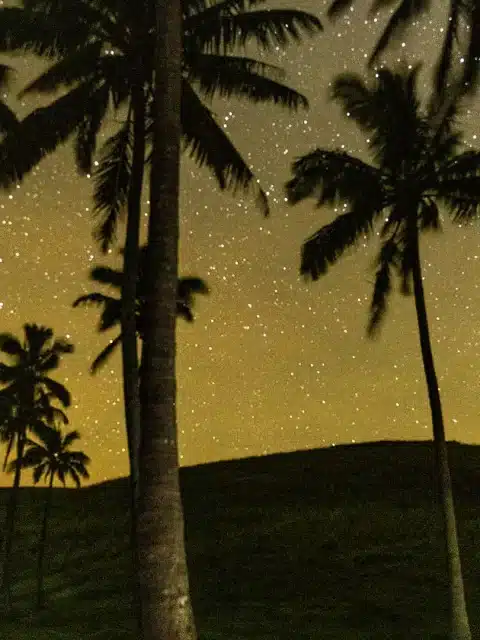
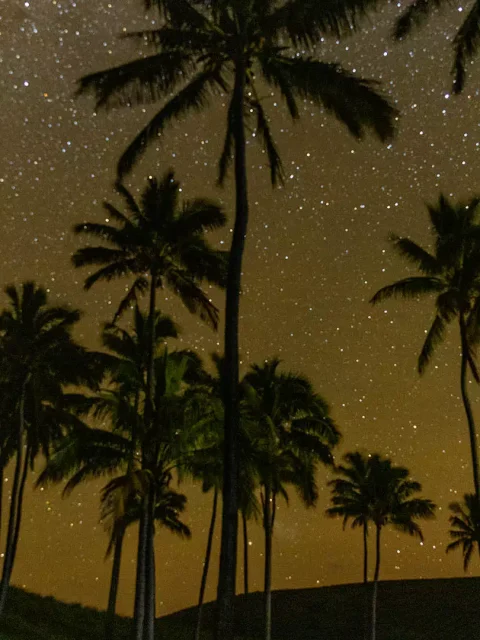
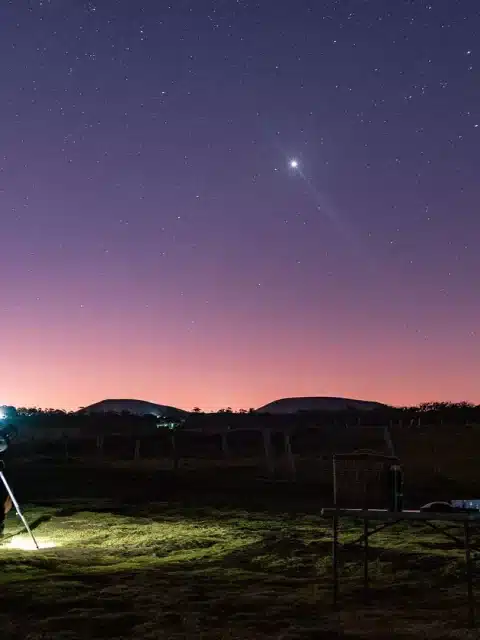
I went on a stargazing and night photography trip on Easter Island, and Anakena became one of the locations.
Same beach.
Same moai.
Completely different fucking planet.
Once you get away from Hanga Roa, there is very little artificial light competing with the sky. Easter Island is already ridiculously isolated, sitting alone in the southeastern Pacific with thousands of kilometers of ocean surrounding it.
At night, you suddenly understand exactly what that isolation means.
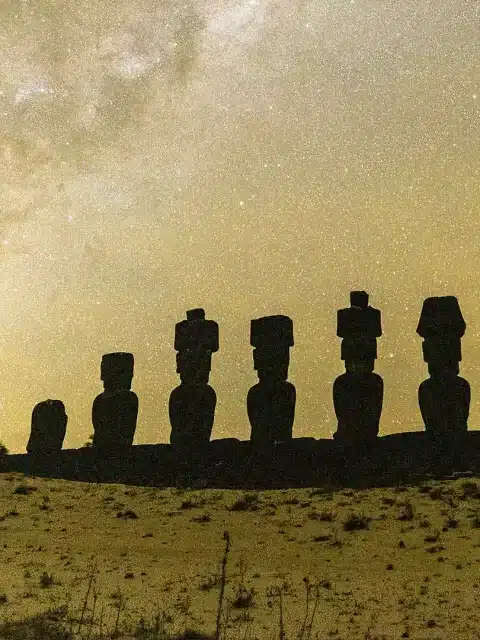
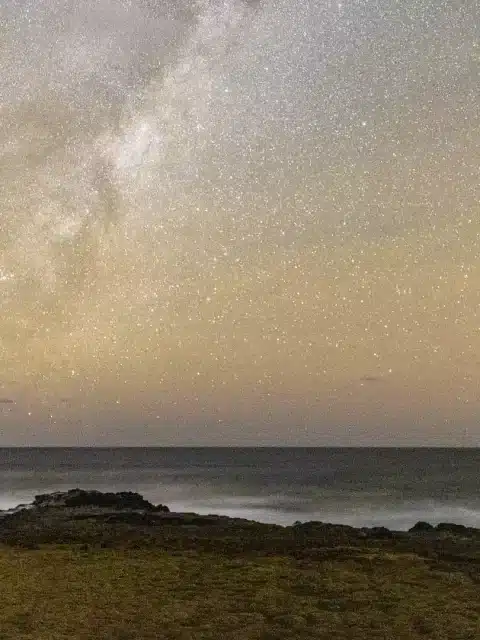
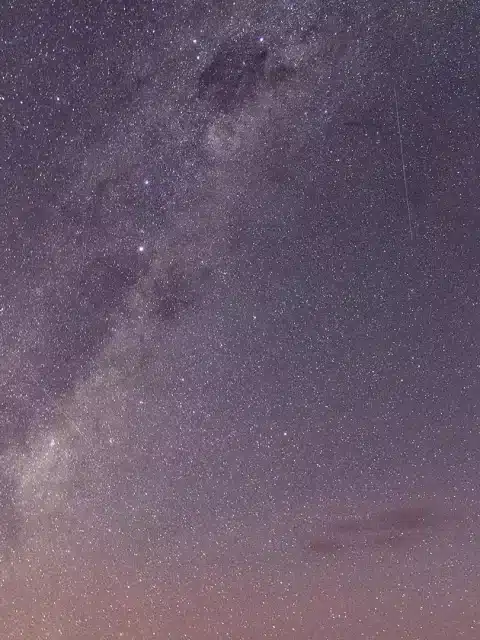
The sky explodes.
Stars everywhere.
The Milky Way stretching across the darkness.
And standing underneath all of it are the silhouettes of the moai at Anakena.
This is where Anakena went from “really cool beach with statues” to something I genuinely won’t forget.
During the day, the moai are archaeological monuments.
At night, under that sky, they become something completely different.
They become silhouettes against the universe.
And if you have even the slightest interest in photography, you absolutely need to read my Easter Island stargazing story and see the photos, because describing that experience without showing you the images feels borderline irresponsible.
I took enough long exposures to make my camera question our relationship.
Worth it.
So, Is Anakena Beach Worth Visiting?
Absolutely.
But probably not for the reason most generic travel guides will tell you.
If you flew all the way to Easter Island purely because you wanted a beautiful tropical beach, there are approximately ten thousand easier places on Earth to accomplish that objective.
Nobody should endure the logistics of reaching one of the world’s most isolated inhabited islands because they’re desperately searching for somewhere to apply sunscreen.
You come to Easter Island for Easter Island.
The landscapes.
The isolation.
The Rapa Nui culture.
The volcanoes.

And obviously the giant stone statues that make you repeatedly wonder how the hell people moved multi-ton rocks across an island centuries before forklifts became a thing.
Anakena takes all of that weirdness and puts it somewhere completely unexpected.
On a beach.
It’s beautiful during the day, historically important, genuinely good for swimming and one of the strangest combinations of archaeology and tropical scenery I’ve ever photographed.
But come back after dark with a tripod and a camera capable of long exposures?
That’s when Anakena gets fucking ridiculous.